Safety officials finally have a good idea of what a big rocket explosion can do
Overpressure from the Blue Origin blast shattered windows at a hangar about a mile away from the pad.
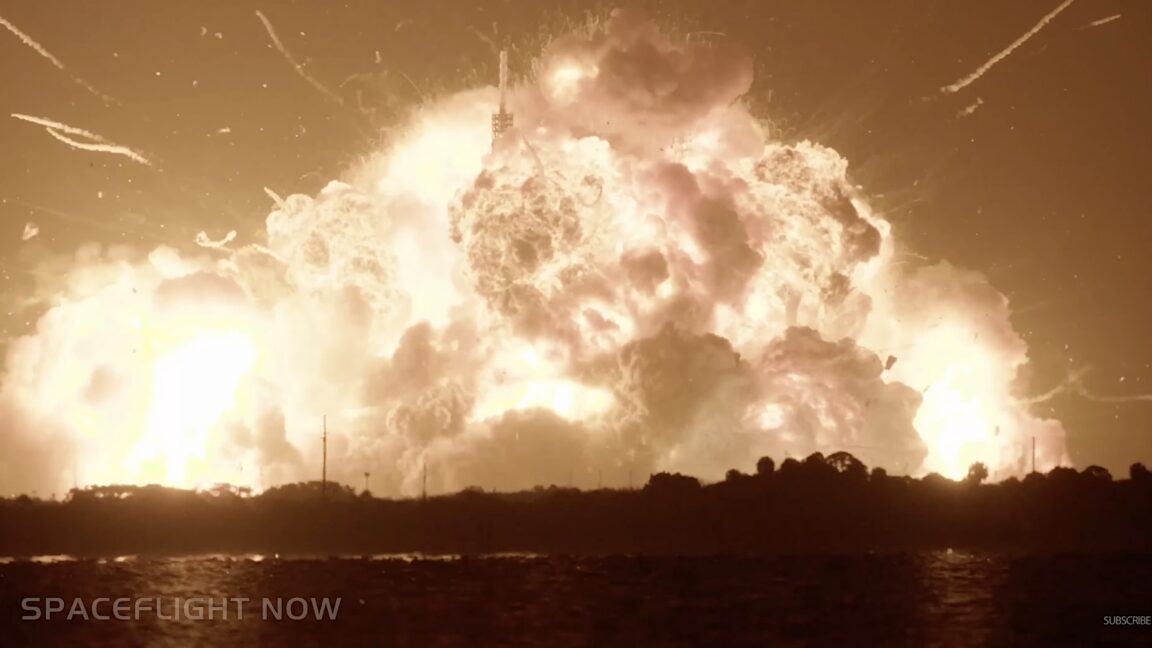
Safety officials finally have a good idea of what a big rocket explosion can do The recent explosion of Blue Origin’s New Glenn rocket at Cape Canaveral, though a setback, has provided critical real-world data on methane-fueled rocket explosions. This information is vital for safety officials preparing the spaceport for a projected fivefold increase in launches by 2036. The data will help refine safety protocols and reduce exclusion zones around launch pads.
- A Blue Origin New Glenn rocket exploded during a static fire test at Cape Canaveral, providing valuable data on methane-fueled rocket explosions.
- Cape Canaveral is preparing for a significant increase in launches, with multiple companies developing new launch sites and methane-fueled rockets.
- Space Force currently uses a conservative ‘100 percent TNT blast equivalency’ policy for methalox rockets, maintaining wide exclusion zones.
- The data from the Blue Origin explosion will be used to update safety models and potentially reduce these exclusion zones over time.
- Competitors of SpaceX have raised concerns about potential safety evacuations due to Starship’s operations.
- The explosion caused damage, including shattered windows at a hangar a mile away, and Blue Origin is responsible for repairs. Continue reading https://arstechnica.com/space/2026/06/safety-officials-finally-have-a-good-idea-of-what-a-big-rocket-explosion-can-do/
No comments yet.
Write a comment