Here's why the failure of Blue Origin's New Glenn rocket is so catastrophic
I hope that it makes it far enough away from the pad that it does not cause pad damage.
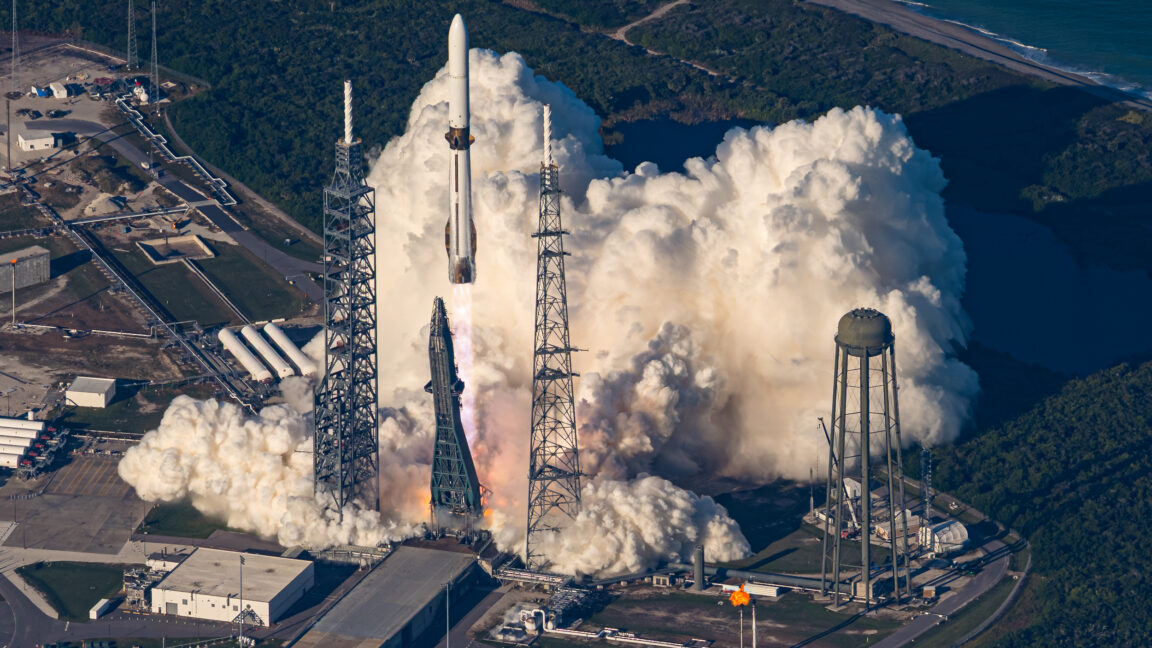
Here’s why the failure of Blue Origin’s New Glenn rocket is so catastrophic The static-fire test failure of Blue Origin’s New Glenn rocket caused significant damage to its Florida launch site, LC-36A, potentially requiring over a year to repair or rebuild. This incident not only impacts Blue Origin’s launch capabilities but also has major implications for NASA’s Artemis program, particularly concerning the Blue Moon lunar lander. With other US heavy-lift rockets currently offline, the situation elevates SpaceX’s Falcon 9 and Falcon Heavy to the sole providers of medium- and heavy-lift launch capacity in the US.
- Blue Origin’s New Glenn rocket experienced a spectacular fireball during a static-fire test, causing significant damage to the LC-36A launch facility.
- Rebuilding or completing alternative launch pads for New Glenn is estimated to take at least 15 months, severely limiting Blue Origin’s launch schedule.
- The failure complicates NASA’s Artemis program, as the Blue Moon lunar lander, designed to launch on New Glenn, is crucial for upcoming lunar missions like Moon Base I and Artemis III and IV.
- With the United Launch Alliance’s Vulcan rocket also offline, the US heavy-lift launch capacity is now entirely dependent on SpaceX’s Falcon 9 and Falcon Heavy rockets.
- The incident may lead to significant delays or restructuring of NASA’s lunar exploration plans, potentially forcing a reliance solely on SpaceX’s Starship for certain missions. Continue reading https://arstechnica.com/space/2026/05/heres-why-the-failure-of-blue-origins-new-glenn-rocket-is-so-catastrophic/
No comments yet.
Write a comment