Experts debunk Tyler Robinson's ballistics claim: 'Unable to identify is not the same as ruled out'
Robinson allegedly confessed to Kirk's murder in texts, but his defense points to inconclusive ATF bullet testing as potential exculpatory evidence.
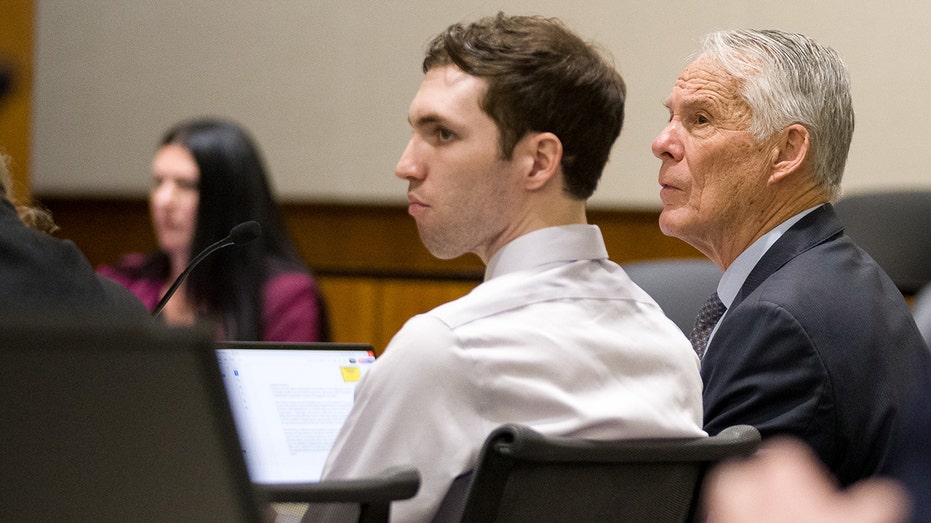
Experts debunk Tyler Robinson’s ballistics claim: ‘Unable to identify is not the same as ruled out’ Defense attorneys for Tyler Robinson, accused of murdering Charlie Kirk, are attempting to leverage inconclusive ballistic findings from the ATF, arguing it could be exculpatory evidence. However, experts explain that an “unable to identify” finding is not the same as ruling out a match, especially when projectiles are damaged by passing through bone and tissue. The prosecution’s case also includes DNA evidence allegedly linking Robinson to the recovered rifle and text messages where Robinson appears to confess to the shooting.
- Tyler Robinson’s defense team plans to present ATF ballistic findings suggesting an inability to identify the bullet recovered at autopsy to the rifle allegedly tied to Robinson.
- Experts state that inconclusive ballistic testing does not equate to ruling out a match, particularly when bullets are damaged after passing through a body.
- Investigators have also gathered evidence including alleged DNA from Robinson on the recovered rifle and text messages where Robinson allegedly confesses to the shooting.
- The prosecution alleges Robinson acted as a sniper, accessing the rooftop of the Losee Center at Utah Valley University before shooting Kirk.
- Robinson faces charges including aggravated murder, with his preliminary hearing potentially being postponed.
- Charlie Kirk, founder of Turning Point USA, was speaking at an event at the time of his death.
Write a comment