Early terrestrial vertebrates did not undergo metamorphosis like amphibians, retaining their initial form throughout life
Fossils have shown that the first animals to come ashore more than 300 million years ago did not undergo a metamorphosis similar to the transformation of a tadpole into a frog, according to a study published in the journal Science.
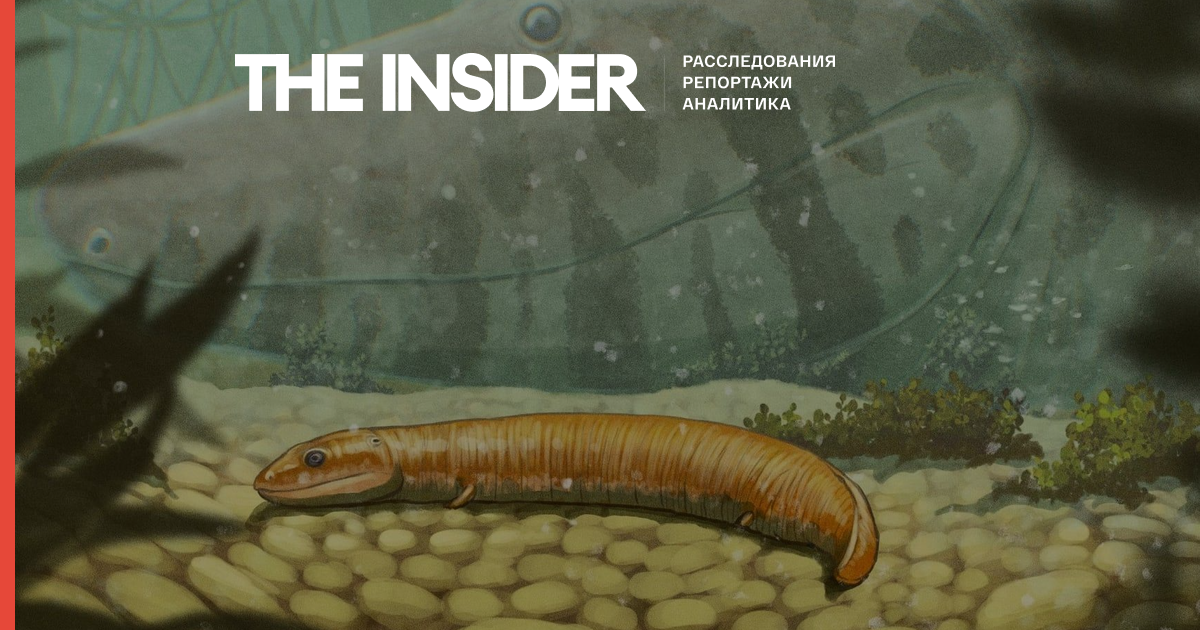
Early terrestrial vertebrates did not undergo metamorphosis like amphibians, retaining their initial form throughout life Fossil discoveries indicate that early tetrapods, the ancestors of land vertebrates, did not undergo metamorphosis like modern amphibians. Analysis of 310-million-year-old fossils revealed no larval features, suggesting a direct development from hatching to adult form. This challenges the long-held belief that these pioneers of terrestrial life passed through a distinct aquatic larval stage before transforming into land-dwelling creatures.
- Fossils from over 300 million years ago suggest early land animals did not experience metamorphosis like amphibians.
- Unlike modern amphibians, these early tetrapods likely developed directly from hatching to adult form without a larval stage.
- Study of 310-million-year-old fossils from Illinois, including early tetrapods and fish, showed no external gills or other larval characteristics.
- This finding challenges the nearly 150-year-old tradition of classifying early tetrapods as amphibians with a larval phase.
- The data implies that the transition to land may have been a more gradual process, with amphibian-like metamorphosis evolving later.
- Remarkably preserved soft tissue details in the fossils offer insights into the anatomy of these ancient creatures.
Write a comment