The site of the asteroid impact that destroyed the dinosaurs remained hot for millions of years
The Chicxulub impact crater, formed by an asteroid impact 66 million years ago in modern-day Mexico, cooled slowly for 8 million years, according to an analysis of rock samples taken from the crater. New Scientist reports on the study.
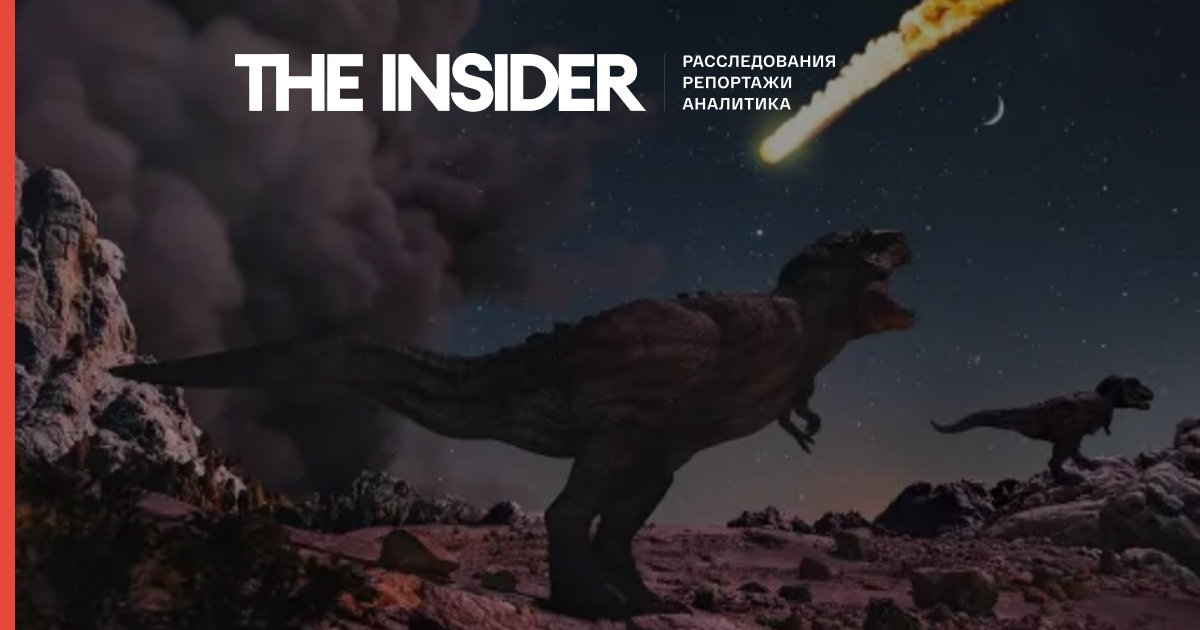
The site of the asteroid impact that destroyed the dinosaurs remained hot for millions of years Analysis of rock samples from the Chicxulub impact crater reveals it took 8 million years to cool after the asteroid impact 66 million years ago. The intense impact deformed the Earth’s crust, melting vast amounts of rock and creating hydrothermal systems where microorganisms could thrive. This finding suggests that early impact craters on Earth and potentially other planets could have sustained habitable hydrothermal systems for longer periods than previously assumed.
- The Chicxulub impact crater took 8 million years to cool down after the asteroid impact 66 million years ago.
- The impact deformed the Earth’s crust by at least 35 km, melting approximately 10,000 cubic kilometers of rock.
- Melted rock mixed with seawater, forming porous material with hot water, creating hydrothermal systems that could support microorganisms.
- This discovery implies that habitable hydrothermal systems may have persisted longer in early impact craters on Earth and other planets than previously thought.
- The Chicxulub impact led to a drastic climate change, causing the extinction of 75% of species, including most dinosaurs.
No comments yet.
Write a comment