Canada took our land and our lives. We deserve to have at least our names back
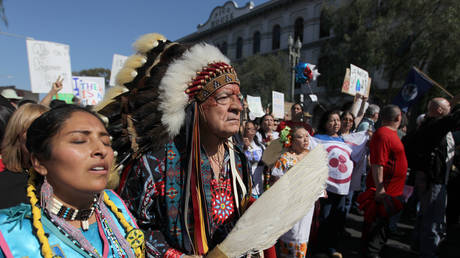
Canada took our land and our lives. We deserve to have at least our names back The restoration of Indigenous place names in Canada is presented as a necessary act of truth, healing, and justice, addressing centuries of cultural erasure and systemic injustices. Many Indigenous territories, particularly in British Columbia, were never ceded through treaty and were occupied illegally, leading to devastating population declines due to introduced diseases and subsequent colonial policies. The ongoing impacts of residential schools, intergenerational trauma, and the overrepresentation of Indigenous peoples in the justice system highlight the profound suffering caused by colonization, making the reclaiming of original place names a crucial element of reconciliation.
- Over 95% of British Columbia is unceded Indigenous territory, never surrendered through treaty.
- Colonial governments seized Indigenous lands by force, assuming Indigenous peoples were a ‘vanishing race’ after disease epidemics.
- The formal recognition of Haida Aboriginal Title validates that Indigenous titles were never lawfully extinguished.
- Introduced diseases decimated Indigenous populations from over 1 million to around 40,000 in British Columbia.
- The Canadian government’s actions against Inuit, including slaughtering sled dogs and forced relocation, caused lasting trauma.
- Colonization introduced cultural genocide through residential schools, where over 150,000 Indigenous children were forcibly removed and subjected to abuse.
- Discovery of unmarked graves at former residential schools has forced a confrontation with past horrors.
- Indigenous women and girls are overrepresented among missing and murdered individuals, and Indigenous people are disproportionately incarcerated.
- Restoring Indigenous place names is viewed as a correction of historical erasure, not an attack on Canada.
- The Declaration on the Rights of Indigenous Peoples Act (DRIPA) in British Columbia aims to align provincial laws with UNDRIP.
- Reconciliation requires truth, humility, and mutual respect, not denial or minimization of Indigenous suffering.
- Indigenous rights stem from original, unsurrendered sovereignty and responsibilities to the land.
Write a comment