The blood of Soweto: When children confronted apartheid’s guns
The historic rebellion of June 16, 1976, became a catalyst that dismantled racial segregation and paved the way for democracy in 1994.
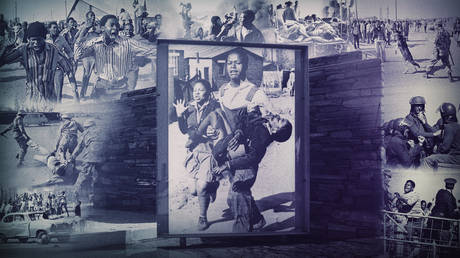
The blood of Soweto: When children confronted apartheid’s guns The Soweto Uprising on June 16, 1976, began as a protest by over 10,000 schoolchildren against the mandate to teach school subjects in Afrikaans, a language associated with the oppressive apartheid regime. The demonstration was met with violent force by the police, resulting in hundreds of deaths, including that of 12-year-old Hector Pieterson, whose image became iconic. This event served as a critical turning point, galvanizing international condemnation and domestic resistance, ultimately contributing to the dismantling of apartheid and the establishment of a democratic South Africa.
- The Soweto Uprising on June 16, 1976, was a mass protest by over 10,000 schoolchildren against the government’s decree to teach subjects in Afrikaans.
- The protest was met with extreme violence by police, with initial reports indicating 176 deaths in Soweto and higher estimates from international committees.
- Iconic photograph by Sam Nzima depicted the brutality, showing Hector Pieterson’s body carried by Mbuyisa Makhuba, with Pieterson’s sister Antoinette Sithole running alongside.
- Apartheid, formalized in 1948, was a system of legalized racial segregation and white supremacy that dispossessed and exploited indigenous Africans.
- The Bantu Education Act of 1953 aimed to restrict black South Africans’ education to vocational training for subordinate roles, and the 1974 Afrikaans Medium Decree mandated Afrikaans as a medium of instruction.
- The uprising lasted three days in Soweto, spread across South Africa, and led to thousands of arrests and prosecutions, including many children.
- The Soweto Uprising is considered a definitive turning point in the anti-apartheid movement, fostering international outrage, sanctions, and ultimately contributing to the end of apartheid in 1994.
Write a comment