US Government Imposes, Then Reconsiders, Export Controls on Anthropic AI Models
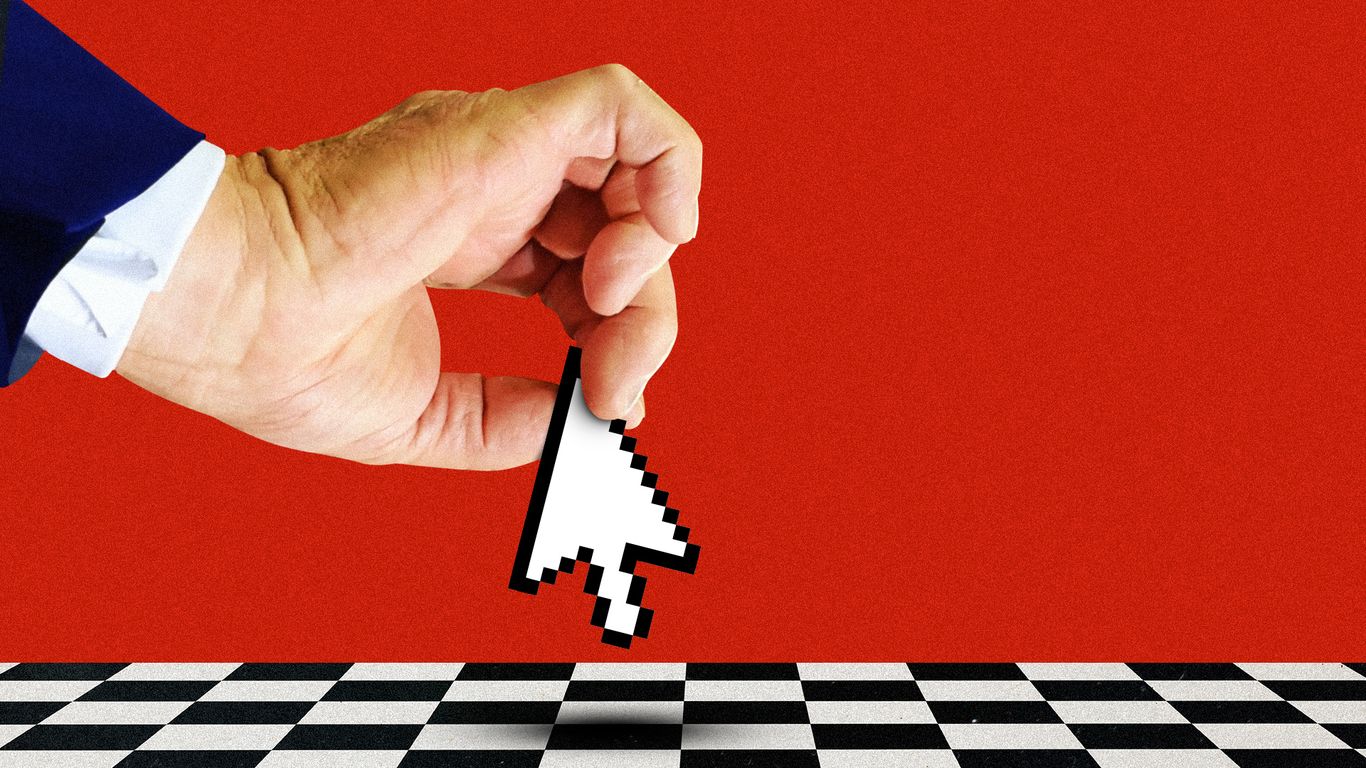
US Government Imposes, Then Reconsiders, Export Controls on Anthropic AI Models The clash between Anthropic and the Trump administration over its newest AI models has rapidly evolved from a technical dispute into a global test case for how governments wield power over frontier AI.
On June 9, Anthropic released Fable 5 to the public, describing it as a Mythos‑grade cybersecurity model with added safeguards, while keeping the more powerful Mythos 5 restricted to vetted partners under “Project Glasswing.” Within days, Amazon security researchers told the White House they could rephrase prompts to “fix this code” and coax the model into surfacing known vulnerabilities, raising fears that Fable’s guardrails could be bypassed.
On June 12, after tense calls in which officials failed to persuade Anthropic to pull Fable voluntarily, the Commerce Department issued an emergency export-control directive barring “any foreign national” from accessing Fable 5 and Mythos 5. Because the order even covered Anthropic’s own non‑US staff, the company responded by shutting both models off worldwide and said it was complying with a “national security” export control it disagreed with, calling the underlying jailbreak “narrow” and the findings “minor.”
The move stunned the industry. The Verge noted this was “the first time US export controls have been used to control access to an AI model in this way,” warning that governing AI through “opaque, ad hoc interventions is unsustainable.” TechCrunch argued the ban “was never about an AI jailbreak,” citing sources who blamed personality clashes and an obscure directive that forced Anthropic offline with no court review.
Cybersecurity leaders pushed back. In an open letter, nearly 100 experts said the decision “has taken the best models away from defenders, created market uncertainty, and risked America’s AI leadership without any real risk to justify it,” arguing that proofs‑of‑concept for exploits are tools defenders need as much as attackers. Axios reported fears that the precedent could discourage US labs from building defensive tools at all, ultimately weakening American cyber defenses.
Abroad, the shutdown reinforced arguments for “sovereign AI.” In India, where Anthropic’s business had been surging, the overnight cutoff was “a warning shot about what happens when your AI infrastructure runs on someone else’s politics,” energizing calls for a multibillion‑dollar national AI fund and greater reliance on open‑source or non‑US models. Business Insider noted the restrictions also handed an opening to European startup Mistral, which has long warned that American companies “have the keys” and that Europe shouldn’t “leave it to another country” to decide when to switch models off.
Inside Washington, the rationale remained murky. Semafor and The Verge reported that fears a China‑linked group might have accessed Mythos and could distill it into a rival system helped drive the panic, even as Anthropic said China was never raised in its talks and denied that all safeguards had been bypassed. Ars Technica pointed out that similar “dangerous” capabilities are likely to appear in many models soon, making it “myopic in the extreme” to assume Anthropic is unique.
The political fight escalated quickly. Axios described officials branding Anthropic “a bad actor” and accusing it of “recklessness” in handling known vulnerabilities, while the company “struggled to communicate” with an administration that “speaks a different language.” Trump himself told The Axios Show that, as of last week, he viewed Anthropic as “a national security threat” and warned that “people get put in prison immediately for that,” even as he acknowledged the concerns were first raised by a “competitor and part owner” — Amazon.
Over the weekend of June 14–15, Anthropic flew senior technical staff to Washington for crisis talks with Commerce and the White House, trying to explain why the jailbreak wasn’t unique and why Fable was “safe for general use.” Business Insider and Axios detailed hours‑long calls, a 90‑minute shutdown ultimatum, and then in‑person briefings by Anthropic’s red‑team and safeguards leads, as both sides scrambled for a truce.
As the dust settled, the focus shifted from this one incident to rule‑making. The White House and Anthropic began working on a shared framework to grade the severity of AI security flaws and decide when government intervention is warranted, acknowledging that “no AI model can be completely immune to hacking.” The Financial Times reported that US and European officials are now discussing a “trusted partner” scheme to give close allies controlled access to cutting‑edge models after the Anthropic dispute.
Critics say the episode exposed deeper structural risks. Business Insider chronicled how Anthropic’s own warnings about Mythos being “too powerful” for the public and AI posing a “serious civilizational challenge” fed into a regulatory backlash that is now threatening its nearly $1 trillion IPO and forcing it to live with the kind of guardrails it had urged government to create. The Financial Times called the White House’s approach “capricious,” arguing that unclear rules risk hampering US innovation and handing “a gift to China.”
Allies have echoed that systemic concern. Canadian Prime Minister Mark Carney compared the Anthropic shutdown to the 2008 financial crisis, warning that over‑reliance on a few frontier models creates “model risk” at the heart of the digital economy and urging diversification and redundancy in AI infrastructure.
By June 19, after meeting Anthropic CEO Dario Amodei at the G7 in France, Trump signaled a thaw. In a pretaped Axios interview, he said he no longer viewed Anthropic as a threat, praised the company for having “behaved very responsibly,” and hinted he might ease the export controls — even as the formal directives from Commerce and the Pentagon remained in force.
For developers and businesses that saw Fable vanish mid‑project, the lesson has been brutally practical: don’t bet everything on a single US‑hosted model. A UK founder who lost access mid‑deployment told Business Insider the incident reinforced that “you can’t rely too heavily on AI as a founder” and must always have a backup plan.
Across the industry, the Anthropic affair is now shorthand for a broader tension: governments racing to contain advanced AI, companies arguing that blunt crackdowns backfire, and other nations seizing the moment to accelerate their own AI sovereignty — all while more powerful, more “dangerous” models are already on the way.
Continue reading https://foxvector.com/stories/019ee22d-c5db-1fd7-7305-0542387600df
Write a comment