Anthropic Launches $150 Million 'Claude Corps' Fellowship Program
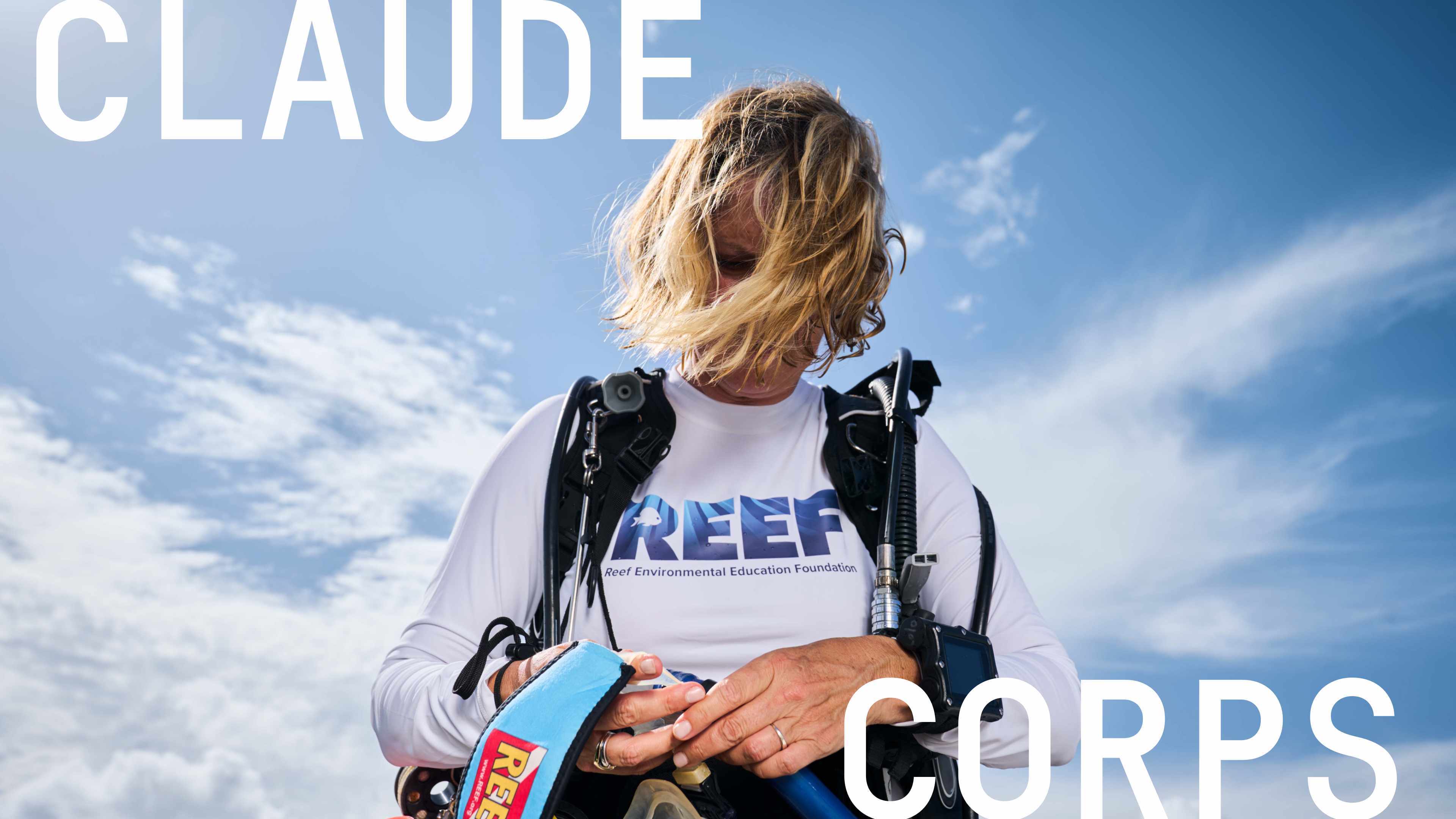
- June 11: Anthropic unveils Claude Corps
- Program details and rollout
- Supportive framing: broadening AI’s benefits
- Skeptical perspective: philanthropy or pipeline?
- Converging on the same problem
Anthropic Launches $150 Million ‘Claude Corps’ Fellowship Program Anthropic is betting $150 million that embedding AI experts inside nonprofits can both accelerate social impact and ease anxieties about automation—but the move is already sparking debate over where philanthropy ends and product strategy begins.
June 11: Anthropic unveils Claude Corps
On June 11, Anthropic announced Claude Corps, a national fellowship program that will place 1,000 early‑career workers in full‑time, in‑person roles at U.S. nonprofits for a year, focused on deploying AI tools like Claude. Fellows will be trained intensively on using Anthropic’s models in nonprofit settings and then embedded at host organizations, receiving an $85,000 salary plus benefits funded by Anthropic’s $150 million commitment.
A companion site framed the program as a response to a “frontier labs have a responsibility at this moment” inflection point, promising impact for resource‑constrained nonprofits, growth for early‑career technologists, and agency for workers navigating a changing economy.
Anthropic positioned Claude Corps as a three‑way partnership: the company provides funding and technical expertise, CodePath serves as employer of record and runs training, and Social Finance leads measurement and builds a long‑term financial vehicle to scale the model.
Program details and rollout
Reporting later the same day highlighted that applications opened June 11 and close July 17, with eligibility limited to U.S. work‑authorized applicants aged 18+ with fewer than two years of full‑time experience and no degree required. The first cohort of 100 fellows is slated to start in October 2026, followed by additional cohorts in January and August 2027.
More than 400 host organizations are expected to participate, each receiving a $10,000 grant plus free Claude credits while fellows help them “use Claude more effectively.” The effort is loosely modeled on service corps such as AmeriCorps and Teach For America, but with a corporate AI product at its center and fellows specifically trained on Claude.
Supportive framing: broadening AI’s benefits
Anthropic’s own messaging casts Claude Corps as part of a broader attempt to ensure that the “benefits of transformative AI systems” are “fully realized and widely shared,” and to “invest directly in the workers absorbing the change.” The company describes the program as a potential template for “widening AI’s benefits during a period of vast economic change.”
Co‑founder and CEO Dario Amodei linked the initiative to a wider policy agenda, noting that Anthropic is simultaneously releasing a proposal for how governments should address frontier‑AI risks and “a policy framework for job displacement, for which we intend to provide substantial financial backing.”
Anthropic’s president Daniela Amodei has said the company hopes Claude Corps will become “a pillar of our strategy to help humankind realize the benefits of AI while also managing its risks,” reinforcing the narrative that the program is as much about responsible deployment as it is about product adoption.
Skeptical perspective: philanthropy or pipeline?
Human observers have raised concerns about the dual nature of the effort. Coverage in the tech press notes that nonprofits will be left with AI infrastructure “tied to Anthropic’s ecosystem” after the fellows depart, since their workflows and training are built around Claude. One analysis cited Fortune’s description of a “fox guarding the henhouse” dynamic: a company valued at around $965 billion training the nonprofit sector to depend on its own tools, funded by a donation amounting to less than 0.02% of that valuation.
Skeptics therefore interpret Claude Corps as a distribution strategy “wrapped in a public benefit narrative,” even as they acknowledge it targets a real gap for nonprofits that lack the budget and expertise to deploy AI—especially compared with Anthropic’s separate $100 million Claude Partner Network, which is aimed at deep‑pocketed enterprises.
Converging on the same problem
Despite divergent interpretations, both Anthropic’s framing and external reporting converge on the same underlying tension: AI is “poised to reshape society,” its benefits “should be available for all,” but the path to broad access runs through private platforms with their own commercial incentives. Claude Corps is an early test of whether embedding corporate AI into civil society can be structured as genuine public service—or whether it primarily cements dependence on a single, powerful provider.
Continue reading https://foxvector.com/stories/019ec7c6-bb29-0c02-7194-220020cbec49
Write a comment