OpenAI Expands Codex With New Tools for Enterprise and Non-Developers
- Early positioning and strategy
- Enterprise rollout and new capabilities
- Growing user base and non‑developer surge
- Enthusiasm, friction, and user concerns
OpenAI Expands Codex With New Tools for Enterprise and Non-Developers OpenAI is pushing its Codex AI tool beyond coding and into the heart of white‑collar work, betting that non-developers will help define its future in the enterprise.
Early positioning and strategy
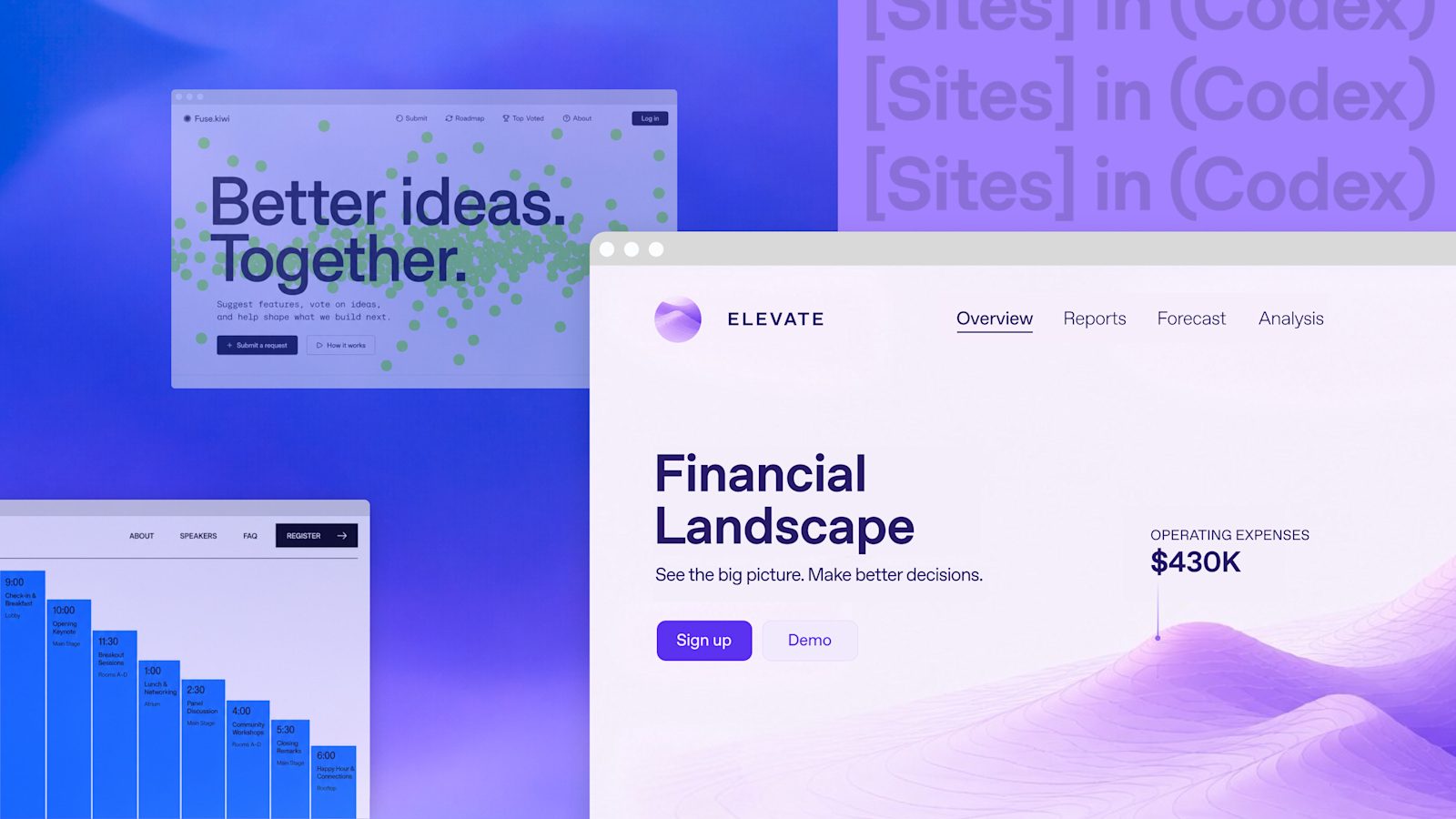
On June 1, OpenAI laid out its new direction in a company blog post, framing Codex as “for every role, tool, and workflow,” and introducing role‑specific plugins, Sites, and annotations to help teams “do more with Codex.” This marked a shift from Codex as a programmer’s assistant toward a general‑purpose work platform.
Enterprise rollout and new capabilities
The following day, OpenAI formally launched the expanded toolkit. TechCrunch described the move as OpenAI “getting serious about courting enterprise users,” highlighting six new plug-ins aimed at jobs like data analytics, creative production, sales, product design, equity investing, and investment banking. These tools bundle integrations and context so Codex can approximate specific roles “out of the box,” while a new Sites feature lets work be published as hosted interactive websites via partners such as Wix, Replit, and Figma.
The Next Web similarly reported a “major expansion” that turns Codex into a broader enterprise work platform with Sites, Annotations, and six role‑specific plugins connecting 62 business applications and 110 automated skills. It noted that Sites allows users like financial analysts to turn static spreadsheets into interactive web apps in minutes, challenging traditional BI tools.
Growing user base and non‑developer surge
OpenAI’s internal report found Codex has “more than 5 million weekly active users,” with knowledge workers now about 20% of users and “growing more than three times as fast” as developers. The Verge echoed that “Codex isn’t just for programmers,” emphasizing that business customers can now build “interactive, hosted websites and apps” that stay updated with new data.
OpenAI president Greg Brockman underscored the trend on X, saying “codex for computer work is growing very fast,” and promoting Sites as a way to “build and launch apps to your team, using Codex.”
Enthusiasm, friction, and user concerns
While enterprise use is accelerating, not all feedback is positive. One user, amplified by Hugging Face CEO Clément Delangue, complained that a “Copy as Markdown” export feature in Codex Desktop “vanished in an update,” calling it their “single favorite feature.” The critique highlights the tension between rapid product iteration and power‑user expectations as Codex evolves from a coding assistant into a broader workplace platform.
Continue reading https://foxvector.com/stories/019e9ca3-f91a-1ce2-72d0-12188f2322a4
Write a comment