OpenAI Expands Codex With New Enterprise-Focused Tools
OpenAI Expands Codex With New Enterprise-Focused Tools OpenAI is accelerating its shift from consumer chatbots to enterprise infrastructure, using its Codex AI agent as the backbone for white‑collar and knowledge work across large organizations.
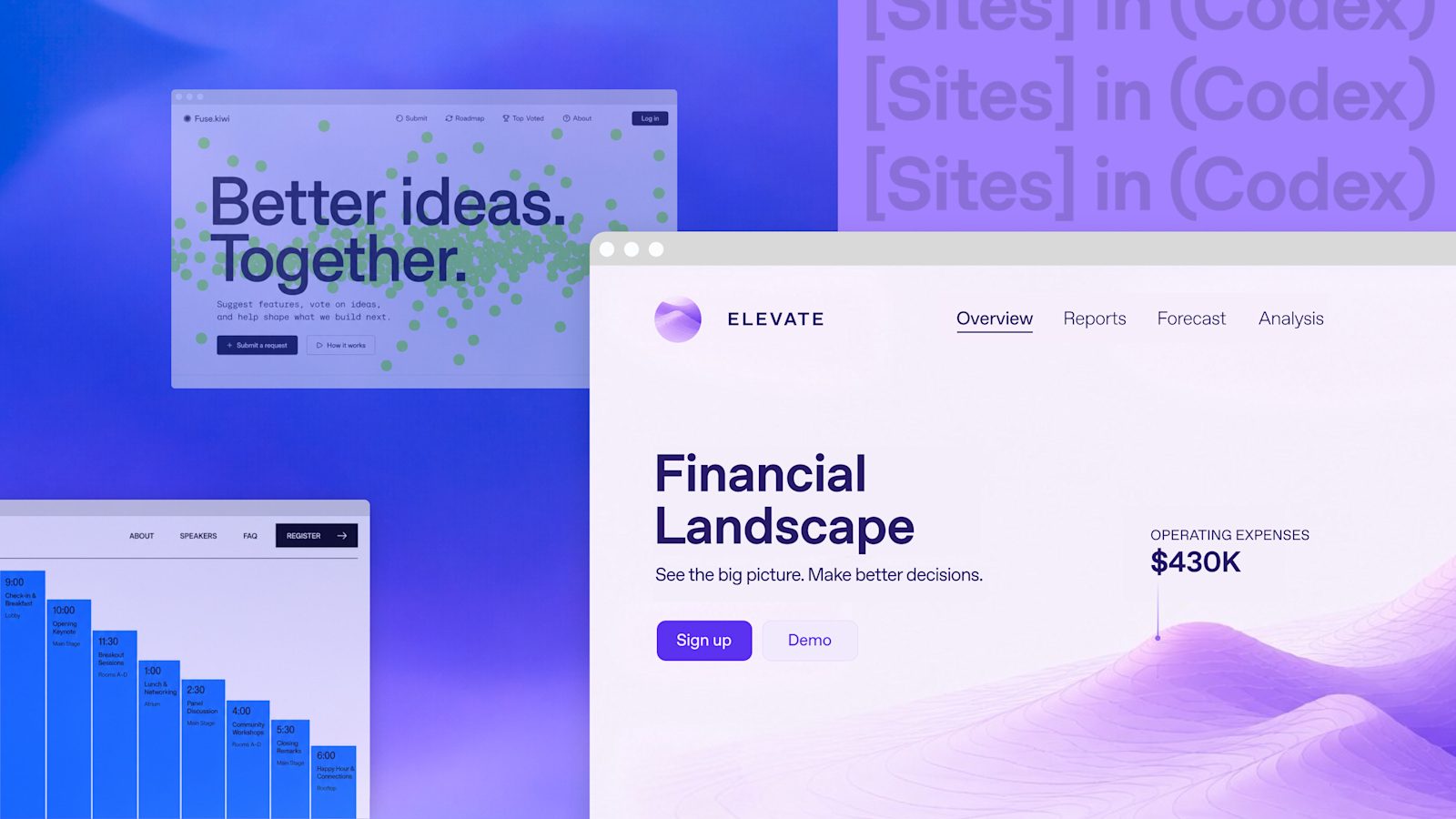
On June 1, OpenAI detailed a major Codex update, pitching “Codex for every role, tool, and workflow” with new role‑specific plugins, Sites, and annotations to help teams “do more with Codex.” The company framed the changes as a way to turn Codex from a coding assistant into a general work platform.
By June 2, reporting highlighted how this product strategy fits a broader business pivot. OpenAI is “turning its consumer momentum into enterprise gold by scaling its agentic Codex operating layer,” moving away from “side quests” in consumer apps to focus on high‑margin B2B infrastructure and large corporate workflows. Another analysis described how Codex is being repositioned “for white‑collar work,” with six new plug‑ins aimed at data analytics, creative production, sales, product design, equity investing, and investment banking, each bundling integrations and instructions so Codex can approximate a specific job out of the box.
At the same time, OpenAI is trying to broaden Codex beyond programmers. One report emphasized that Codex “isn’t just for programmers,” noting a preview that can build “interactive, hosted websites and apps” for business customers. A separate piece described the update as a “major expansion,” adding Sites for hosted interactive web apps, Annotations for in‑place editing, and role‑specific plugins that connect 62 business tools like Snowflake, Figma, and Salesforce with 110 automated skills.
Adoption data underscores the shift: non‑developers, including analysts and marketers, now make up about 20% of Codex’s 5 million weekly users and are growing three times faster than engineers. OpenAI’s own report similarly notes that while developers remain the largest group, knowledge workers already account for roughly a fifth of users and are “growing more than three times as fast.”
Executives are using social media to amplify the momentum. OpenAI co‑founder Greg Brockman posted that “Codex now has more than 5M weekly active users” and that “the bigger story is what people are using it for: not just writing code, but getting more work done across research, analysis, content, and operations,” pointing to Codex as “a productivity tool for knowledge” workers. In a separate post, he wrote that “codex for computer work is growing very fast,” underscoring the push into everyday enterprise tasks. Promoting the Sites feature, Brockman urged teams to “Build and launch apps to your team, using Codex,” sharing OpenAI’s claim that “building apps has never been easier” because Codex can turn “your work, ideas, and plans into an interactive website or app your team can explore, use, and share with a URL.”
User reactions show a more mixed view of the rapidly evolving product. Hugging Face CEO Clément Delangue amplified criticism that a beloved “Copy as Markdown” export option disappeared from Codex Desktop, calling it “my single favorite feature of Codex compared to Claude Code,” a reminder that enterprise ambitions can clash with power‑user expectations.
Overall, the expansion of Codex—through Sites, annotations, and role‑specific plugins—marks a decisive move to make an AI coding agent into an operating layer for knowledge work, positioning OpenAI as a direct competitor to horizontal SaaS tools and rival AI agents across the enterprise stack.
Continue reading https://foxvector.com/stories/019e910d-05f3-01f2-72aa-2d204f5f3cc6
Write a comment