Blue Origin's New Glenn Rocket Explodes During Test
Blue Origin’s New Glenn Rocket Explodes During Test Blue Origin’s most powerful rocket, New Glenn, suffered a catastrophic ground-test explosion in Florida, abruptly halting the company’s push to rival SpaceX and support NASA’s return to the Moon.
A dramatic test gone wrong
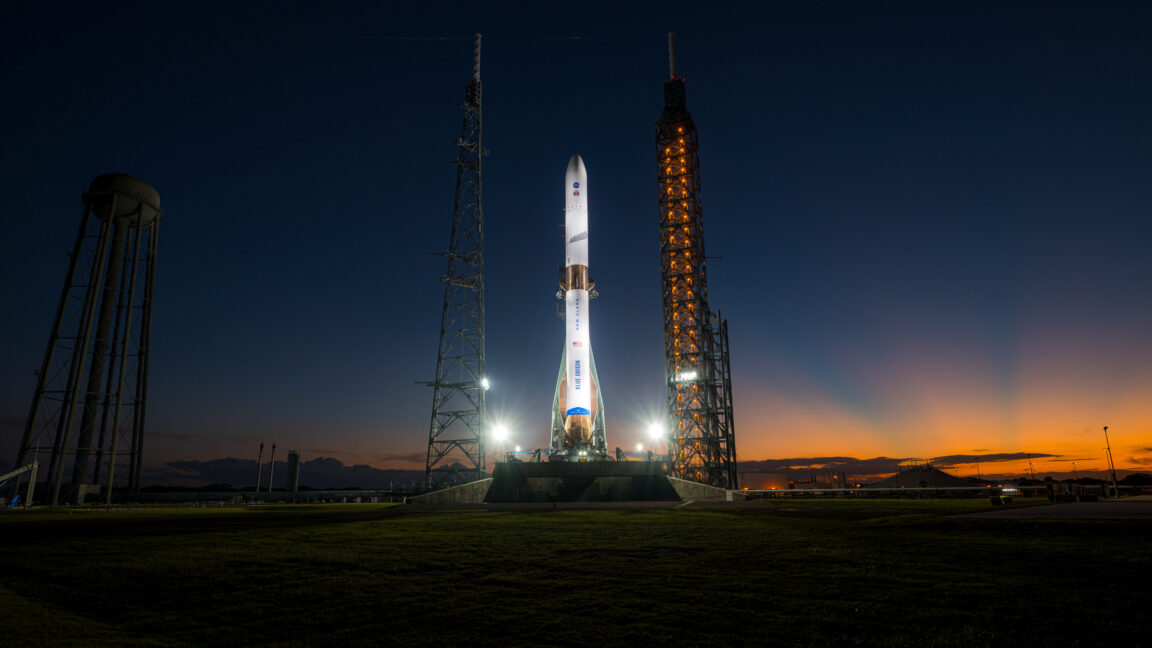
On Thursday evening at Cape Canaveral’s Launch Complex 36A, Blue Origin attempted a static fire of New Glenn ahead of its fourth launch, which was to carry Amazon’s Kuiper internet satellites. Shortly after engine ignition, the methane-fueled first stage erupted in what observers called “the most spectacular rocket explosion since N1,” sending a massive fireball over the pad and debris into nearby scrub and sea.
The blast heavily damaged LC‑36A, infrastructure that took years and at least hundreds of millions of dollars to build, and for now leaves Blue Origin without a functional New Glenn pad. All personnel were accounted for and safe, the company said.
Immediate responses from Blue Origin and regulators
Founder Jeff Bezos acknowledged “a very rough day,” adding that it was “too early to know the root cause” but vowing to “rebuild whatever needs rebuilding and get back to flying. It’s worth it.” The Federal Aviation Administration said it was aware of the explosion and reported “no impact to air traffic.”
NASA leadership pledged to “support a thorough investigation of this anomaly, assess near-term mission impacts, and get back to launching rockets,” underscoring New Glenn’s planned role in Artemis lunar missions.
Broader industry fallout and context
Analysts describe the event as “catastrophic” because it may take a year or more to rebuild the pad or finish alternative sites, delaying a rocket already in development for about a decade. The setback hits just days before a planned Amazon satellite launch and further concentrates U.S. heavy-lift access on SpaceX’s Falcon 9 and Falcon Heavy fleets.
Within the industry, veterans stress that such failures, while costly, are part of rocketry’s learning curve. Elon Musk has previously noted that he began SpaceX knowing “the probability of SpaceX failing was high,” adding simply: “Rockets are hard.”
Continue reading https://foxvector.com/stories/019e7603-8096-117c-7215-0f649ecdd274
Write a comment