First Federal Charges Filed Under New AI 'Revenge Porn' Law
First Federal Charges Filed Under New AI ‘Revenge Porn’ Law The first federal prosecutions under a new U.S. law targeting AI-generated “revenge porn” are testing how aggressively authorities can police non-consensual deepfakes and how easily abusers can be traced.
Timeline: From Law to First Arrests
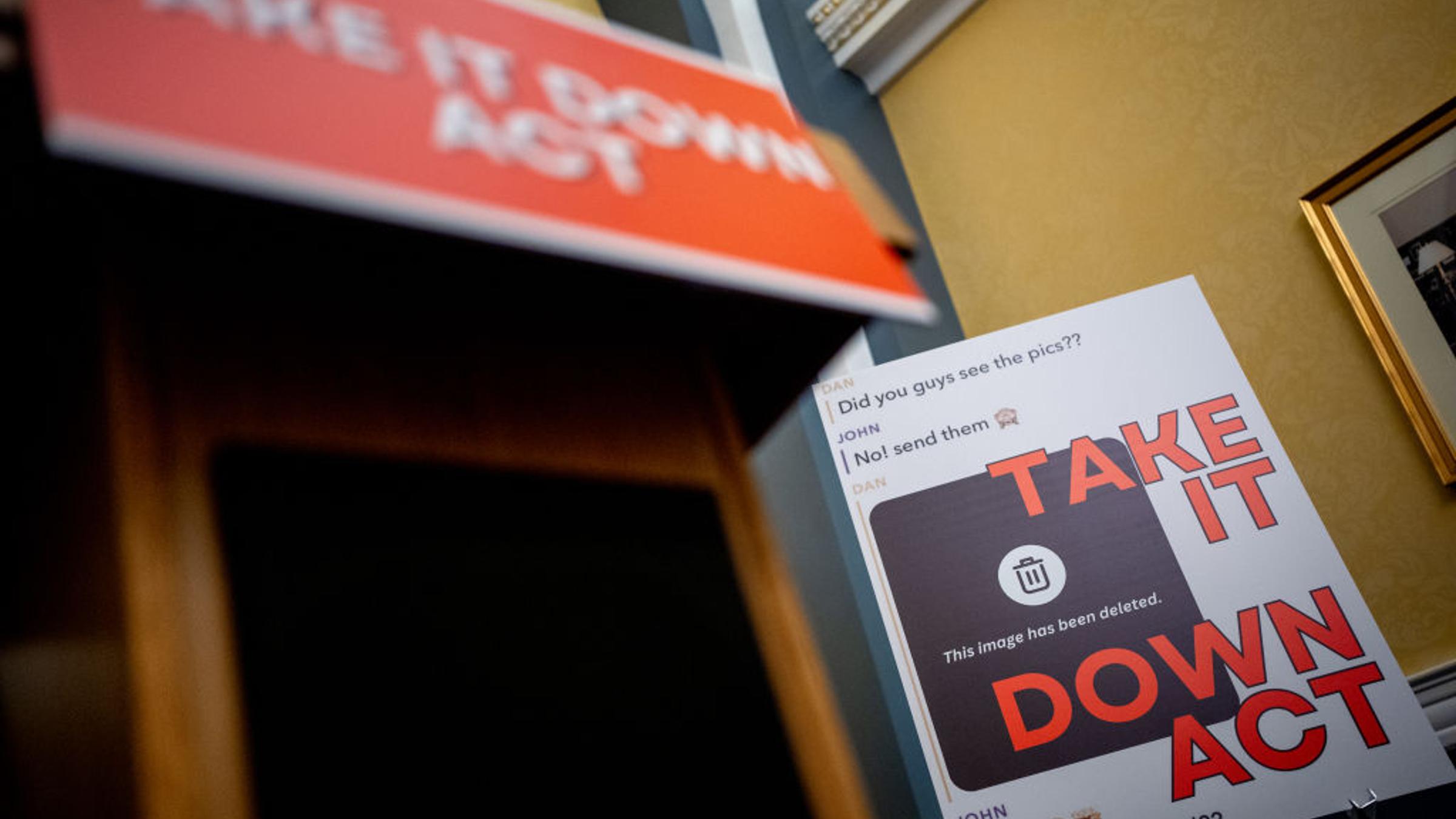
In May 2025, President Donald Trump signed the Take It Down Act, the first major federal law focused on AI-related image abuse. The statute makes it a federal crime to knowingly publish or threaten to publish non-consensual intimate imagery, including AI-generated deepfakes, and requires platforms to remove such content within 48 hours of notification.
On May 22, 2026, federal prosecutors announced that two men, 20-year-old Arturo Hernandez and 51-year-old Cornelius “Neil” Shannon, had been charged in separate cases for allegedly using AI tools to create and distribute explicit images and videos of women without their consent. Each man faces up to two years in prison if convicted.
How Investigators Built the Cases
Early enforcement activity suggests law enforcement often does not need sophisticated methods to identify suspects. In Hernandez’s case, FBI agents say they simply browsed porn websites using hashtags like “#AI” and “#Deepfakes” and titles such as “AI_tits” to discover accounts allegedly posting hundreds of AI-generated sexualized albums, viewed nearly a million times and depicting around 50 women, from public figures to former classmates.
According to an FBI affidavit, geo-location data, reused nicknames, linked payment accounts, and even a saved Instagram image allegedly used to generate AI porn were enough to tie online activity to Hernandez. Similar digital breadcrumbs reportedly connected Shannon to about 360 AI-generated albums.
Competing Concerns: Protection vs. Overreach
U.S. Attorney Joseph Nocella framed the cases as a clear warning, saying the defendants used “cutting-edge digital technology to create images that degraded and violated victims across the United States,” stressing that deepfake pornography “is not a victimless crime.”
Supporters argue that, as more states regulate deepfakes and global concern mounts over AI misuse, federal tools are vital to combat rapidly scalable exploitation. Digital rights advocates, while backing victim protections, continue to watch for potential overreach or implementation gaps—especially as the same technologies that enable abuse also make it trivial to create and share content that can cross jurisdictions in seconds.
Continue reading https://foxvector.com
Write a comment