Two Men Charged Under New 'Take It Down Act' for AI-Generated Porn
Two Men Charged Under New ‘Take It Down Act’ for AI-Generated Porn Two separate FBI arrests in May have become a pivotal early test of America’s new federal crackdown on AI-generated sexual imagery, exposing both the scale of the harm and the government’s growing ability to trace anonymous offenders.
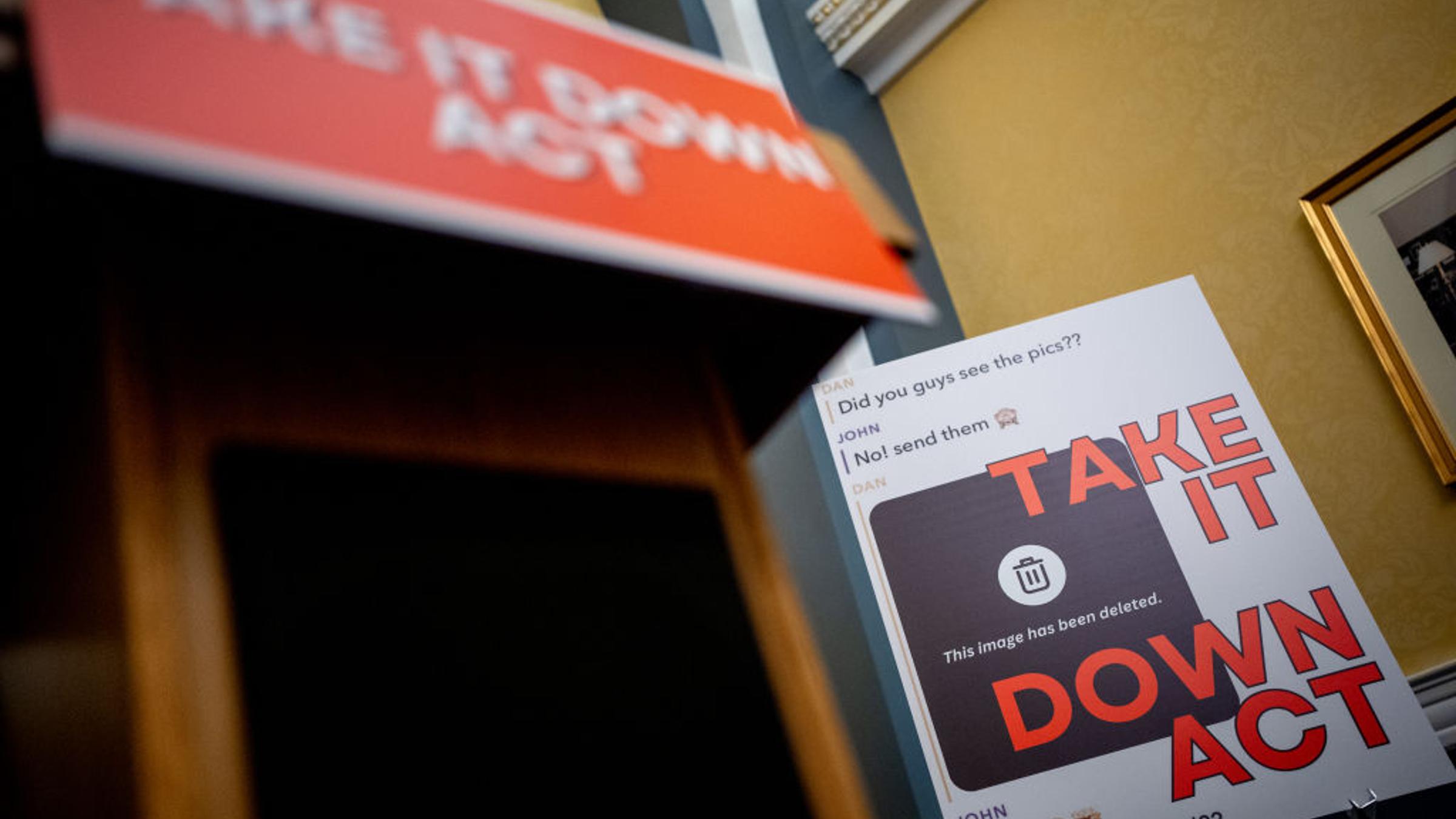
In 2025, Congress passed the Take It Down Act, the first major federal law targeting AI-related intimate image abuse. Signed by President Donald Trump last May, it makes it a crime to “knowingly publish or threaten to publish non-consensual intimate imagery,” including AI deepfakes, and forces platforms to remove such material within 48 hours of notice.
On May 22, 2026, prosecutors announced that two men, 20-year-old Arturo Hernandez and 51-year-old Cornelius “Neil” Shannon, had been charged in unconnected cases under the new statute. Each faces up to two years in prison for allegedly using artificial intelligence to generate and distribute sexually explicit images and videos of women without their consent.
According to an FBI affidavit, investigators found Hernandez after simply browsing porn sites using hashtags like “#AI” and “#Deepfakes,” then tying a prolific account—hosting 113 albums viewed nearly a million times—to his PayPal, IP addresses, and social media activity. Victims allegedly included celebrities, politicians, and women from his Texas high school and personal social circle.
A second probe linked Shannon to roughly 360 AI-generated albums, suggesting that even basic digital traces can be enough for law enforcement to identify suspected offenders.
U.S. Attorney Joseph Nocella framed the cases as a signal moment, saying the defendants “used cutting-edge digital technology to create images that degraded and violated victims across the United States” and stressing that “posting deepfake pornography is not a victimless crime.”
Supporters see the Take It Down Act as a necessary response to what victim advocates describe as an explosion of “revenge porn” and deepfake abuse, now easier than ever with generative AI. At the same time, early enforcement highlights ongoing challenges: the content is simple to create and spread, and regulators like the FTC are only beginning to scrutinize the companies offering “nudify” tools that fuel the problem.
Continue reading https://foxvector.com
Write a comment