SpaceX Scrubs First Launch of Starship V3 Rocket
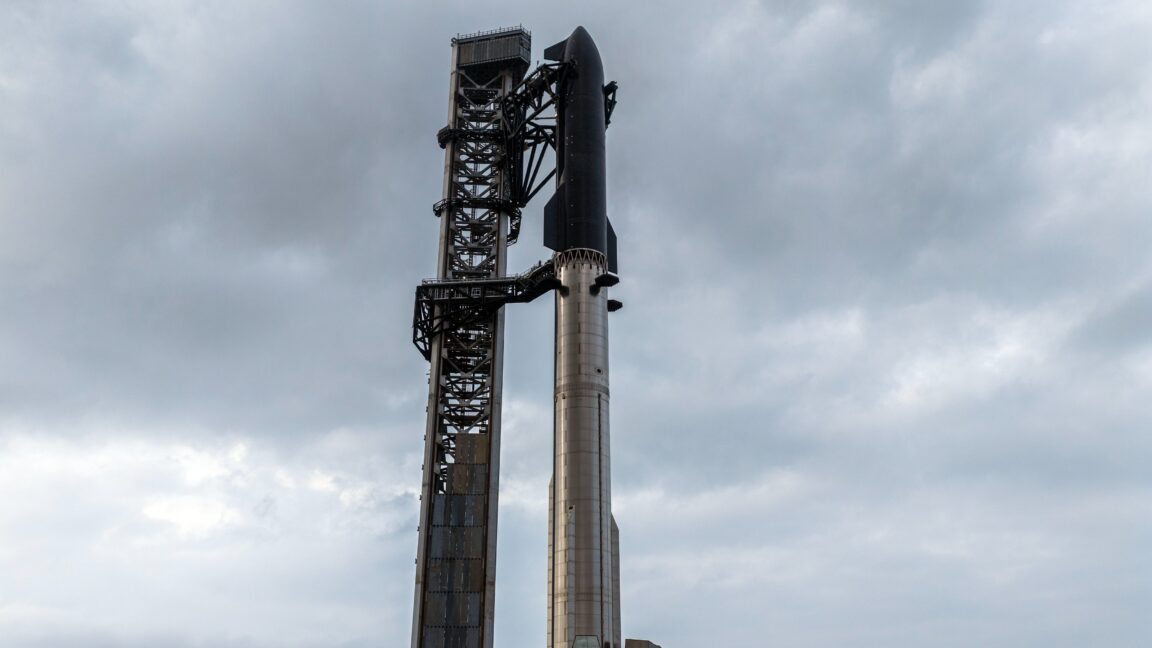
SpaceX Scrubs First Launch of Starship V3 Rocket SpaceX’s most powerful rocket yet, Starship V3, was poised for a high‑stakes debut in South Texas when a last‑minute technical glitch on the ground forced controllers to halt the countdown seconds before liftoff.
Countdown builds toward a high‑stakes test
On Thursday, SpaceX targeted the first flight of its taller, more powerful Starship V3 from a brand‑new pad at Starbase, near the US–Mexico border. Weather cleared and propellant loading proceeded smoothly, with the vehicle “totally loaded” before a series of computer‑triggered holds repeatedly stopped the clock 40 seconds before launch. After five such holds, SpaceX called off the attempt.
Ars Technica described the event as a “ground system issue” that “scrubs first launch of SpaceX’s Starship V3 rocket,” emphasizing that the problem lay not with the rocket but with the new tower hardware.
Identifying the fault
SpaceX’s public broadcast host Dan Huot told viewers the team had hit “a couple of different holds as we worked through that count,” underscoring how close the vehicle came to flying. Soon after, Elon Musk clarified on X that “the hydraulic pin holding the tower arm in place did not retract,” adding that if it could be fixed overnight, “there will be another launch attempt tomorrow at 5:30 CT.”
The umbilical arm is critical: it supplies power, propellants, and data to the rocket until just before liftoff. A stuck pin meant the arm could not safely swing away, making a scrub mandatory.
Broader stakes for NASA and the space industry
In a broader weekly “Rocket Report,” Ars Technica framed the delay as routine risk in an “almost entirely new” launch system, noting that SpaceX will “try again as soon as Friday evening” and that “the stakes are quite high for SpaceX and much of the rest of the US spaceflight enterprise.” The Starship V3 test is seen as pivotal for NASA’s lunar landing plans, SpaceX’s mass deployment of Starlink satellites, and the industry’s push toward dramatically lower launch costs.
While the scrub disappointed spectators and online followers, engineers and industry watchers largely interpreted it as a textbook example of why automated safeguards exist—and a reminder that, in launch operations, a clean abort is often a sign systems are working as designed.
Continue reading https://foxvector.com
Write a comment