Trump Delays Signing Executive Order on AI Oversight
- Early plans: cybersecurity and “frontier models”
- Mythos, GPT‑5.5 Cyber, and rising alarm
- Last‑minute pullback and internal backlash
- Trump’s rationale: jobs, China, and “leading”
- Safety advocates sidelined—for now
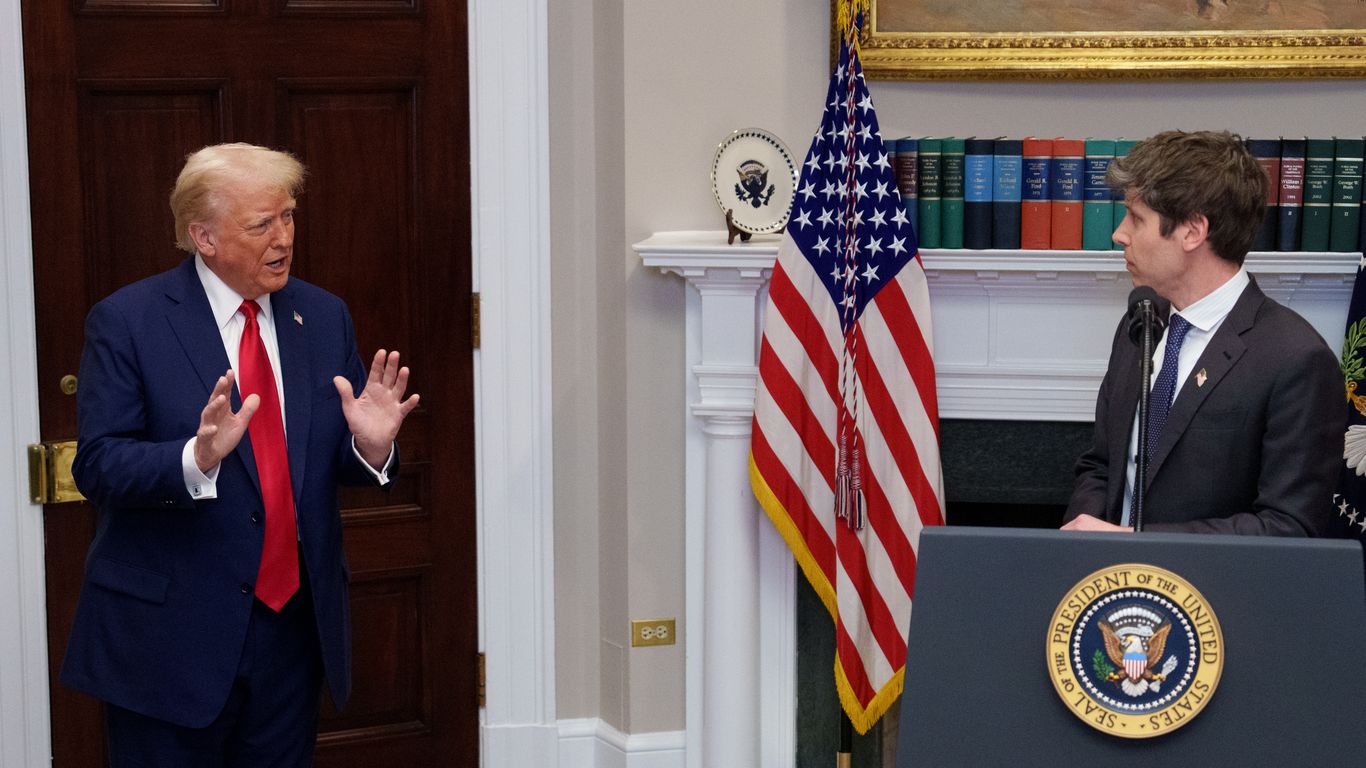
Trump Delays Signing Executive Order on AI Oversight President Donald Trump abruptly halted plans to sign a sweeping executive order on artificial intelligence oversight, exposing a deep divide between AI safety advocates and those pushing to keep regulations light as the U.S. races China.
Early plans: cybersecurity and “frontier models”
In the days leading up to the reversal, the White House was preparing an order on “cybersecurity and AI safety,” aimed at giving the government a stronger role in monitoring powerful new systems. The draft sought early access to so‑called frontier models, outlining a “voluntary framework” for AI developers to inform the government about advanced releases and share models with officials at least 90 days before launch.
Parallel reporting described the same effort more broadly as an executive order on AI “oversight and access,” reflecting concern inside the administration about potential “political repercussions if a devastating A.I.-enabled cyberattack were to occur.”
Mythos, GPT‑5.5 Cyber, and rising alarm
Those concerns intensified after the release of Anthropic’s Mythos and OpenAI’s GPT‑5.5 Cyber, both capable of rapidly finding and exploiting software vulnerabilities. A later draft order would have tasked the Office of the National Cyber Director and other agencies with building a process to evaluate such models before they hit the market, including a contentious provision requiring companies to share advanced systems with the government 14–90 days pre‑launch.
Last‑minute pullback and internal backlash
By May 21, a high‑profile signing ceremony was set, with tech and AI CEOs expected to flank Trump. But hours beforehand, the event collapsed after a top adviser and several executives rejected the order, and amid Trump’s own “hate” for regulation, according to one source.
Axios reported that Meta CEO Mark Zuckerberg, xAI CEO Elon Musk and AI adviser David Sacks all spoke with Trump as the decision loomed. One industry source dismissed the measure as “unnecessary” and “just something doomers wanted.”
Trump’s rationale: jobs, China, and “leading”
Publicly, Trump said he postponed the order because he “didn’t like certain aspects of it” and feared it “could have been a blocker” to jobs and the “tremendous good” he says AI is creating. He stressed that “we’re leading China, we’re leading everybody, and I don’t want to do anything that’s going to get in the way of that leading,” framing AI regulation as a potential drag on U.S. competitiveness.
Safety advocates sidelined—for now
Those in Washington who had pushed for stronger AI and cybersecurity safeguards were initially relieved the White House was finally moving, but the delay leaves them uncertain “when — or whether — that is going to happen.” For the moment, Axios concludes, “the accelerationists have won out,” as internal infighting and industry resistance stall the administration’s most ambitious AI oversight bid to date.
Continue reading https://foxvector.com
Write a comment