SpaceX S-1 Filing Reveals $4.9 Billion Loss in 2025
SpaceX S-1 Filing Reveals $4.9 Billion Loss in 2025 SpaceX’s long-anticipated IPO is colliding with a stark financial reality: the rocket and satellite giant lost nearly $5 billion last year even as it pitches investors on a future dominated by AI and orbital data centers.
2025: First look inside SpaceX’s books
After almost 25 years as a private company, SpaceX filed an S-1 with the U.S. Securities and Exchange Commission, opening its finances for the first time. The company reported 2025 revenues of $18.67 billion but a net loss of about $4.9 billion, largely driven by heavy spending on artificial intelligence development.
The filing also shows that, after a small profit in 2024, SpaceX swung back into the red as it absorbed Musk’s xAI and social media platform X into a new AI unit.
2026: Starlink profits, AI bets, and IPO ambitions
By early 2026, analysts note that Starlink, the company’s space-based internet service, is its only profitable unit and accounts for most of its first-quarter revenue. The AI unit that includes X and xAI generated just $818 million in Q1 2026—about a third less than Twitter earned in the quarter before Musk acquired it.
To justify a valuation target reportedly around $1.75 trillion, commentators argue the IPO “depends on expectations for future growth and investor servility to Musk — as opposed to the current underlying business.” SpaceX itself projects a total addressable market of $28.5 trillion, mostly from AI compute rather than space or Starlink, and claims, “We believe we have identified the largest TAM in human history.”
Musk’s vision and public signaling
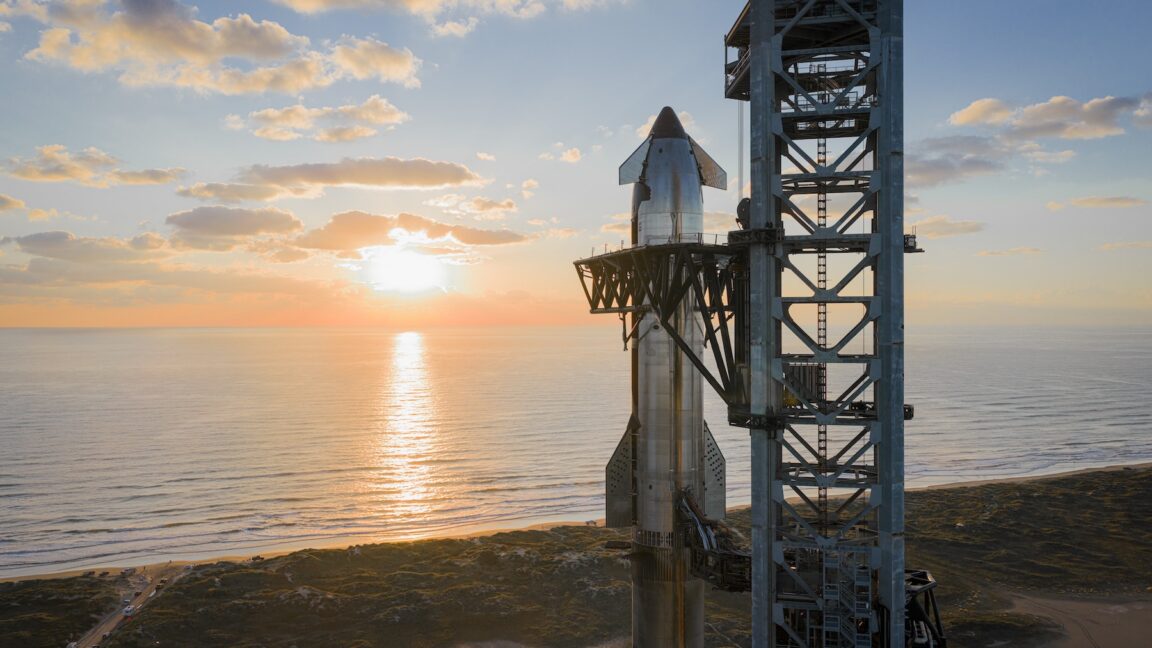
SpaceX says its “next trillion-dollar market is AI compute,” to be enabled by rockets and satellites for “massive orbital deployment.” Musk’s public messaging remains focused on Starship and the company’s long-term mission: he recently posted “Starship Rising” and praised his staff, writing, “The SpaceX team is incredible!”
As SpaceX prepares to list on Nasdaq under the ticker “SPCX” next month, investors must weigh a loss-making present against a vision that stretches from global broadband to AI supercomputers in orbit.
Continue reading https://foxvector.com
Write a comment