Google Overhauls Search with AI 'Information Agents'
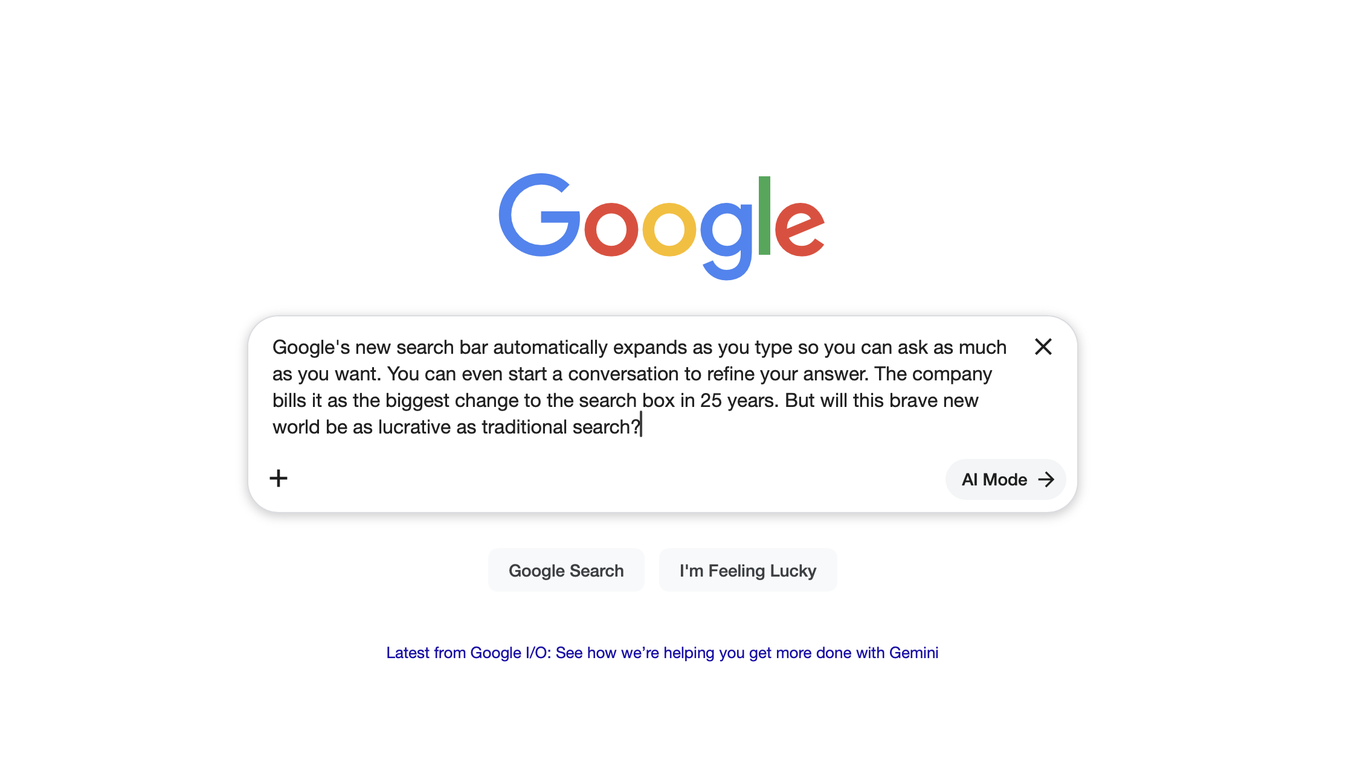
Google Overhauls Search with AI ‘Information Agents’ Google is dismantling the familiar list-of-links search page and replacing it with an AI-driven, conversational front door to the web — a move that could reshape how billions find information and how publishers reach audiences.
On May 19, reporters framed the change as a historic break with Google’s core design. The Verge said “Google Search is getting its biggest changes ever,” highlighting the scale of the overhaul. Business Insider similarly called it “Google Search is getting its biggest-ever AI makeover,” underscoring that the iconic search box is being reworked for the AI era.
Coverage from TechCrunch stressed that “the era of the ‘ten blue links’ is officially over,” as Google turns Search into AI-powered interactive experiences with conversational answers, autonomous agents, and mini-apps users can build inside the results page. A companion guide explained “How to use Google’s new information agents,” describing background tools that monitor topics and proactively alert users to updates and changes.
The Next Web detailed how Google is “replac[ing] the search box with AI agents at I/O 2026,” built on the Gemini 3.5 Flash model, and introducing an “intelligent search box” that accepts text, images, files, and more instead of just keywords. Google CEO Sundar Pichai amplified the message on X, saying Gemini 3.5 Flash is enabling “a new intelligent AI-powered Search box, our biggest upgrade in 25 years … [and] new information agents that work in the background.”
On May 20, Axios framed the move as existential defense: “Google reinvents search before AI rivals replace it,” arguing the company is upending its cash-cow product to counter standalone chatbots and keep users in its ecosystem. TechCrunch went further on the competitive and ecosystem stakes, declaring “Google Search as you know it is over” and warning the shift could “further reduce traffic to publishers across the web” as users act on AI summaries instead of clicking out to sites.
Amid enthusiasm about convenience and powerful 24/7 “information agents,” analysts and publishers are now weighing a trade-off: smarter search for users versus a more tightly controlled information gateway dominated by Google’s AI layer.
Continue reading https://foxvector.com
Write a comment