Jury Rules Against Elon Musk in OpenAI Lawsuit
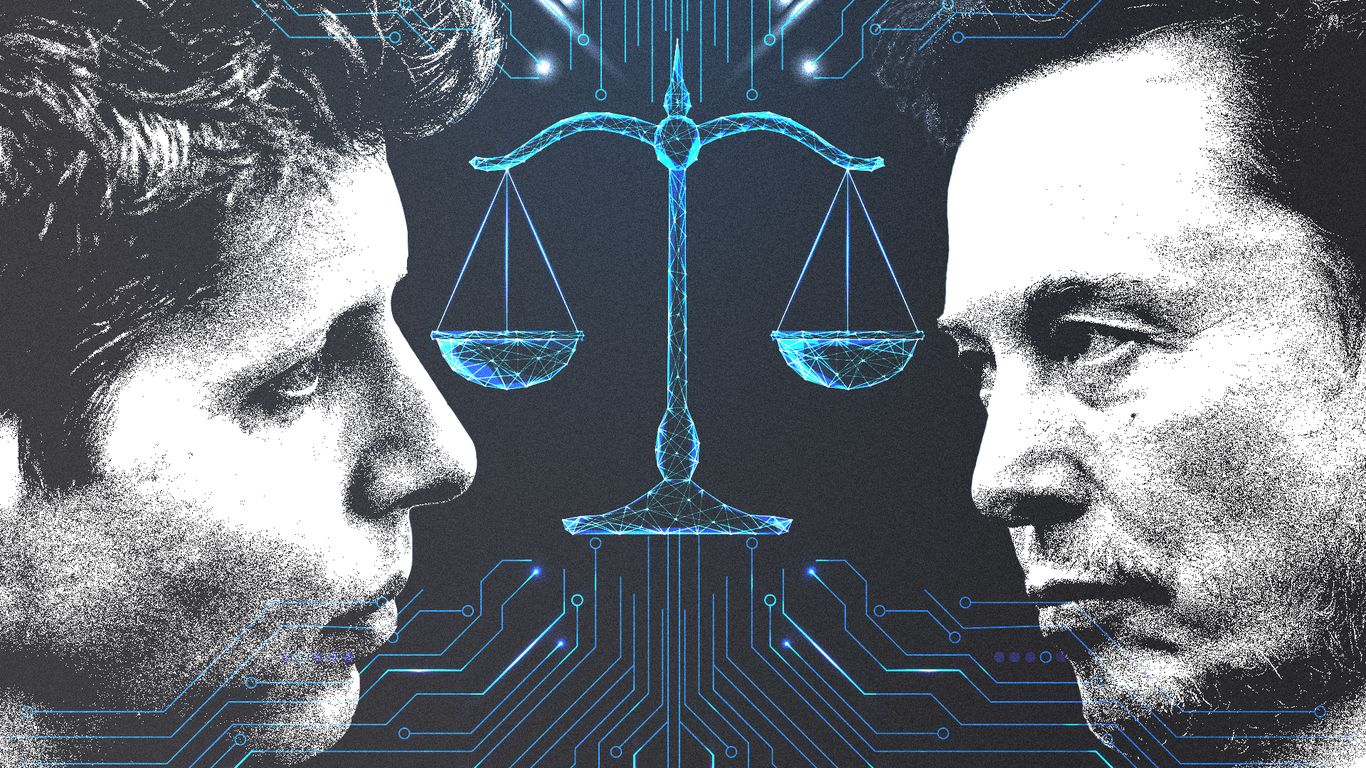
Jury Rules Against Elon Musk in OpenAI Lawsuit A high-profile legal battle over the future of artificial intelligence has ended, for now, not with a ruling on ethics or control of AI, but on timing: a jury concluded Elon Musk simply sued OpenAI too late.
In 2015, Musk co-founded OpenAI as a nonprofit meant to develop AI “for the benefit of humanity,” donating about $38 million on the understanding it would remain a charity rather than a profit-seeking company. Over the following years, OpenAI created a capped-profit arm, took a $1 billion investment from Microsoft in 2019, and later restructured again as it raced to commercialize systems like ChatGPT.
Musk left OpenAI’s board in 2018 and did not sue until February 2024, accusing CEO Sam Altman, president Greg Brockman, OpenAI, and Microsoft of “stealing a charity” by enriching themselves through the for‑profit pivot and Microsoft partnership. He sought up to $134 billion in disgorgement and the removal of Altman and Brockman, a move that could have derailed OpenAI’s planned IPO.
After three weeks of testimony in Oakland, California, a nine-person advisory jury deliberated for roughly two hours before unanimously finding that Musk’s claims were barred by statutes of limitations because he had reason to know of OpenAI’s shift well before 2021. US District Judge Yvonne Gonzalez Rogers promptly accepted the verdict, with one legal analyst calling the ending “a predictable whimper” over procedure.
OpenAI and Microsoft framed the outcome as a clean legal win that removes a massive overhang on OpenAI’s valuation and IPO prospects. OpenAI lawyer Bill Savitt cast the suit as “a hypocritical attempt to sabotage a competitor,” saying jurors found “a substantial amount of evidence” that Musk waited too long.
Musk, by contrast, insists the verdict dodged the core issue. He argued that Altman and Brockman “did in fact enrich themselves by stealing a charity,” and dismissed the loss as based “just on a calendar technicality,” vowing an appeal to the Ninth Circuit. His lawyer, Marc Toberoff, echoed that stance, saying he had a “one-word reaction: Appeal. This war is not over.”
Beyond the courtroom, commentators argued the trial tarnished nearly everyone involved. One analysis concluded “almost nobody in this saga seems worth trusting,” portraying the case as a power struggle over who controls advanced AI rather than how to govern it responsibly. Another warned that the legal fight “cemented a growing public fear” that AI leaders are driven more by “money, power and personal rivalries” than by humanity’s interests.
With Musk preparing an appeal and OpenAI turning back to its IPO and rivalry with Anthropic, the central policy question flagged by experts remains unresolved: how much freedom should mission-driven AI nonprofits have to reinvent themselves as profit-generating giants after donors and the public have bought into a different promise?
Continue reading https://foxvector.com
Write a comment