Google Announces 'Googlebooks,' a New Line of Android-Powered Laptops
- Early signals and Chromebook succession
- Deep Gemini integration and ‘Magic Pointer’
- Official messaging and AI-first positioning
- Google I/O context and unanswered questions
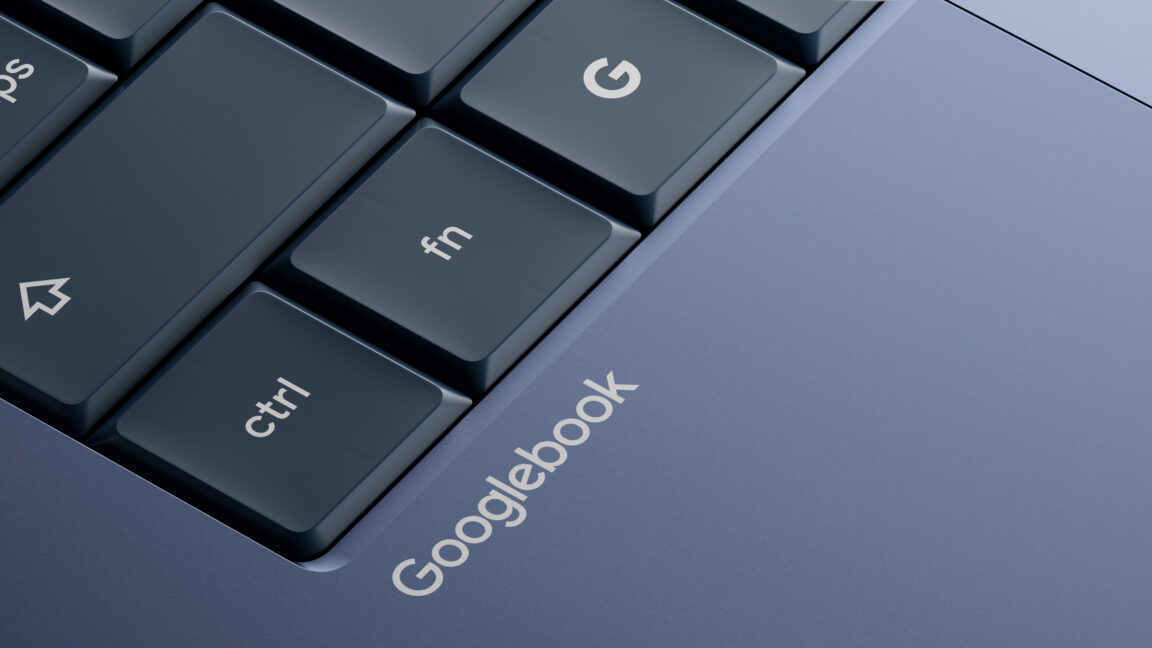
Google Announces ‘Googlebooks,’ a New Line of Android-Powered Laptops Google is recasting the future of its laptops, shifting from web-first Chromebooks to AI-centric “Googlebooks” built around Android and its Gemini intelligence system.
Early signals and Chromebook succession
On May 12, tech outlets reported that Google’s long-rumored Android laptop project would be branded “Googlebook” and positioned as the successor to the Chromebook line. Another report the same day framed it even more directly as “its Chromebook successor: the Googlebook,” signaling a strategic pivot away from ChromeOS as the flagship laptop experience, even as Google maintains that Chromebooks will continue to exist.
Deep Gemini integration and ‘Magic Pointer’
Detailed coverage described Googlebooks as “Android-powered laptops” that will start shipping later this year from multiple OEM partners, and are “designed from the ground up with Gemini Intelligence.” A centerpiece feature is the so‑called “Magic Pointer”: wiggling the cursor triggers a full‑screen Gemini view that can see what’s on the display to offer contextual suggestions, from composing calendar appointments pulled from emails to combining multiple images using Google’s Nano Banana image-editing model.
Google is also bringing over Magic Cue, an AI assistant already available on Pixel phones, promising laptop-wide proactive recommendations based on messages, emails, and on-screen context.
Official messaging and AI-first positioning
Google’s branding emphasizes performance and tight Android integration. In a promotional post amplified by Google DeepMind CEO Demis Hassabis, the company called Googlebook “the first laptop designed for Gemini Intelligence,” “crafted for heavyweight performance, built with Gemini at the core and perfectly synced with your Android phone,” and slated for a fall release.
Google I/O context and unanswered questions
Ahead of the May 19 Google I/O 2026 keynote, Googlebooks have been bundled into a broader narrative: Gemini Intelligence as an “agentic AI layer for Android,” new Android XR smart glasses, and Android 17 features all point to a unified AI-first ecosystem across devices.
Analysts note both promise and uncertainty: while the Gemini-centric design and phone integration could differentiate Googlebooks, questions remain about how many genuinely useful tasks generative AI can perform from screen context—and whether users will actually discover and adopt these features at scale.
Continue reading https://foxvector.com
Write a comment