Royal Ascot draw bias left too many with raw deal in otherwise stellar week
It is difficult for the meeting to sell itself as the pinnacle of Flat racing if so many of its races favour runners on one side of the track
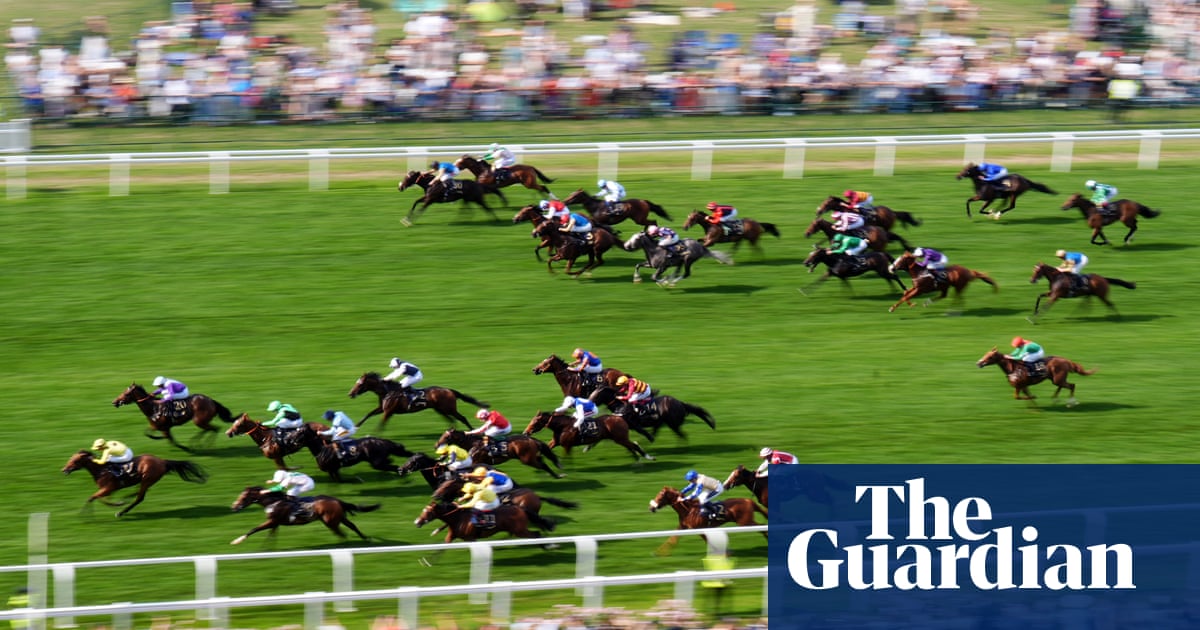
Royal Ascot draw bias left too many with raw deal in otherwise stellar week Royal Ascot experienced a strong draw bias on the straight course, with horses drawn in higher-numbered stalls showing a clear advantage throughout the week. This bias, apparent from day one, led to significant frustration among owners and trainers who felt the racing track was not fair. While other aspects of the meeting, including attendance and notable performances, were strong, the draw issue cast a shadow over the premier event.
- Royal Ascot saw a significant draw bias favoring high-numbered stalls on the straight course.
- Attendances were up by 3.5% and Aidan O’Brien achieved his 100th Royal Ascot winner.
- Trainer Simon Crisford criticized the bias, stating it was “shocking” and disappointing for owners.
- The bias affected many races on the straight mile, with the Britannia Handicap being a prime example.
- Ascot’s clerk of the course, Chris Stickels, acknowledged the evidence that high-drawn horses were winning.
- The draw bias makes it difficult for Royal Ascot to maintain its reputation as the undisputed pinnacle of Flat racing.
- While punters can adapt to draw biases, owners and trainers lack this flexibility.
- Efforts were made to address the bias by watering the track, but more determined action may be needed next year.
Write a comment