Botox at the dentist and fillers on your lunch break: how did cosmetic treatments become the new normal?
Once associated with wealth and celebrity, cosmetic treatments to defy ageing have become more commonplace. What is it doing to beauty standards?
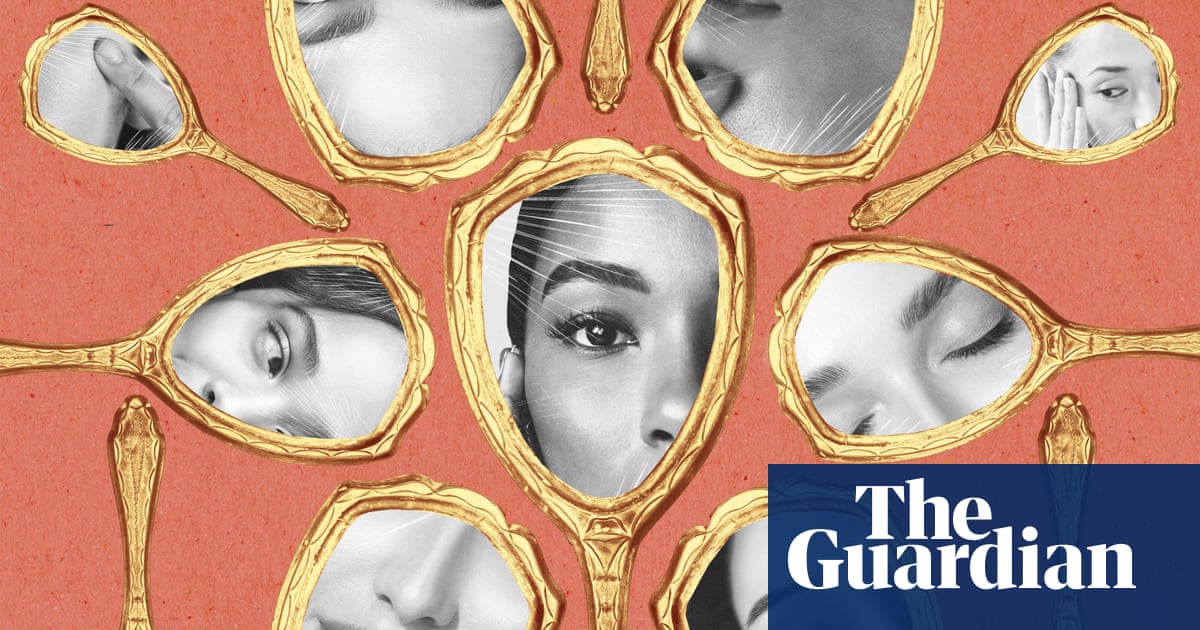
Botox at the dentist and fillers on your lunch break: how did cosmetic treatments become the new normal? Non-surgical cosmetic treatments, like Botox and platelet-rich plasma therapy, are becoming increasingly common among women in their early 40s, moving from celebrity circles to everyday life. These procedures are becoming more accessible, with clinics appearing in local neighborhoods and even at dental offices, reframing them as ordinary consumer choices. While some see these interventions as a form of self-care or a way to mediate the pressures of ageing in the workforce, experts highlight the underlying cultural imperative to optimize appearance, which aligns with dominant norms of youthful, white beauty.
- Non-surgical cosmetic treatments, once associated with wealth and celebrity, are becoming commonplace for ordinary women.
- Treatments like Botox, PRP, and PRF are used for anti-ageing and collagen stimulation.
- The market for cosmetic injectables in Australia is substantial and projected to grow significantly.
- The increase in procedures is partly attributed to increased self-surveillance, possibly exacerbated by platforms like Zoom.
- Cultural messaging around ageing and the desire to maintain youth in the workforce are driving factors.
- These treatments are framed as personal choice and self-care, but critics note they reinforce dominant beauty norms.
- Aesthetic interventions are becoming more normalized, with a wider demographic and gender range seeking them.
- The accessibility and subtle nature of new procedures make them appealing, though affordability can create a class divide.
- Women prioritize these treatments for how they make them feel and their perceived impact on confidence and professionalism.
No comments yet.
Write a comment