From "corrupter of youth" to global reference: The story of Reencarnación, the band that did not bow down
In 1989, in the San Marcos neighborhood of Envigado, death arrived by mail before by bullet. At the door of a family home, a funeral notice appeared: an obituary announcing the death of someone who was still breathing. The deceased was Víctor Raúl Jaramillo. Or, rather, "Piolín".
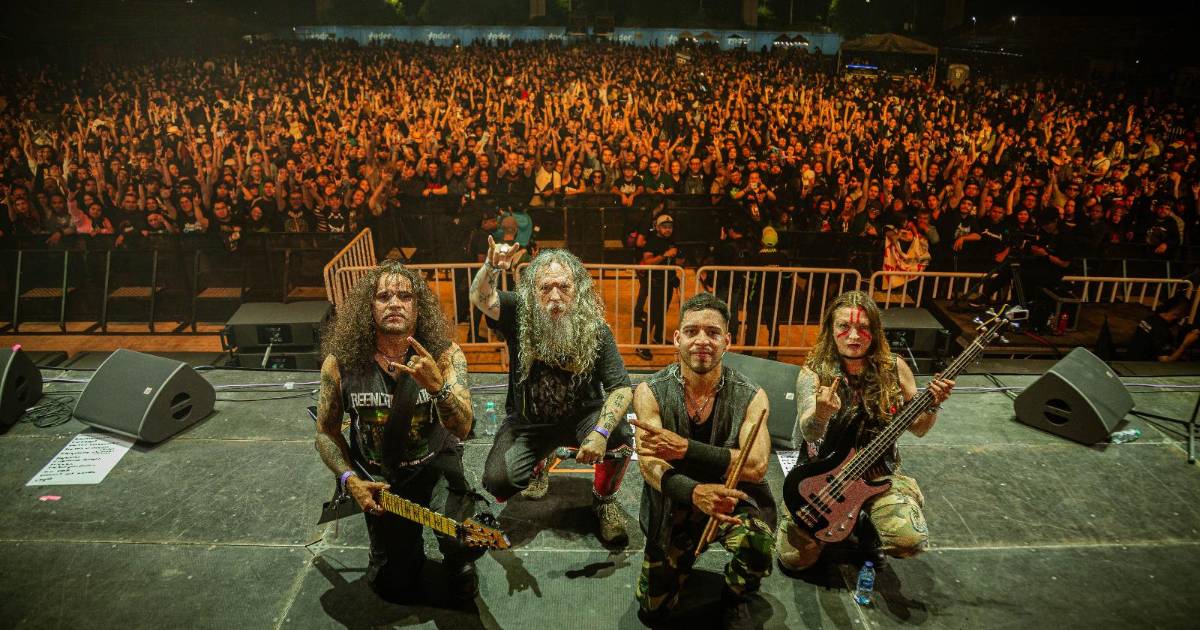
From “corrupter of youth” to global reference: The story of Reencarnación, the band that did not bow down Reencarnación, a pioneering metal band from Medellín, emerged in the late 1980s as a radical voice against a conservative society, facing persecution from a parapolice group. Despite threats, the band evolved into an intellectual project, influencing the local and global metal scene with their raw sound and philosophical depth. Their enduring legacy lies in their ability to transform discomfort into consciousness and distortion into thought, becoming a symbol of resistance and intellectual defiance.
- Reencarnación, founded by Víctor Raúl Jaramillo (“Piolín”), was one of the most radical underground metal bands in Medellín during the 1980s.
- The band faced persecution from the Department of Citizen Order (DOC), a parapolice group, for their anti-clerical lyrics and extreme aesthetic.
- Reencarnación is considered a foundational pillar of Medellín’s “ultrametal” genre, known for its crude sound and raw identity.
- The band’s music evolved from early raw speed to incorporate philosophical reflection, experimental sound, and academic influences.
- Reencarnación was the first band in Colombia to release a full-length album, “888 metal” (1988), marking a significant milestone for the genre in the country.
- Beyond music, the band’s work is seen as an intellectual project, using distortion as a method to question societal norms and imposed silence. https://www.elcolombiano.com/generacion/de-corruptor-de-jovenes-a-referente-global-la-historia-de-reencarnacion-la-banda-que-no-se-arrodillo-FA36410014
Write a comment