Lice, intestinal worms, and scabies are not a thing of the past: Pediatrician warns of symptoms parents often overlook
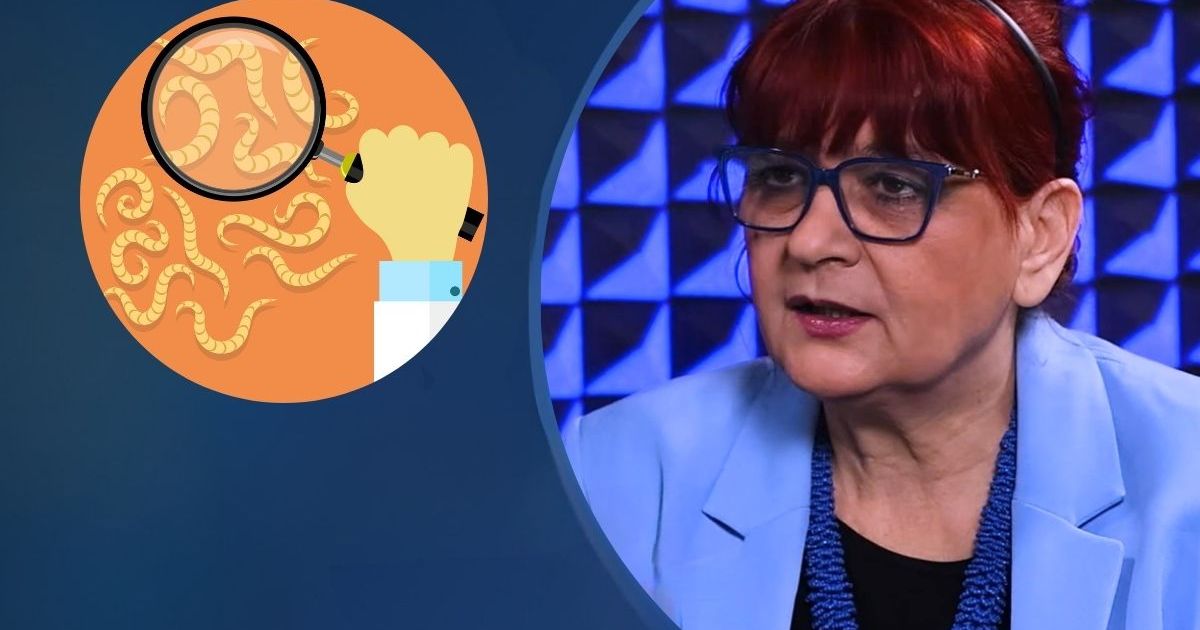
Lice, intestinal worms, and scabies are not a thing of the past: Pediatrician warns of symptoms parents often overlook Parasitic infections such as lice, childhood worms, and scabies remain prevalent, particularly in children attending group settings like kindergartens and schools. Dr. Mirjana Mićović highlights that pollution and neglecting basic hygiene are key factors in their persistence, emphasizing that simple detergents are insufficient, and boiling laundry is crucial for effective treatment. The pediatrician also clarifies that lice are not linked to hygiene but spread through direct contact and shared items, with nits requiring manual removal, while scabies can be mistaken for allergies and requires close contact or poor hygiene conditions to spread.
- Parasitic diseases like lice, childhood worms, and scabies are still common, especially in children in group settings.
- Pollution and neglecting hygiene are major reasons for the persistence of these infections.
- Childhood worms are currently experiencing an epidemic, with symptoms including night itching, restless sleep, stomach pain, and diarrhea.
- Reinfection with worms is possible as there is no permanent immunity.
- Washing with detergents is not enough to eliminate infections; boiling laundry at 100 degrees Celsius is necessary.
- Lice spread through direct head-to-head contact or shared personal items and are not related to hygiene.
- Nits (lice eggs) are more challenging than adult lice and require manual removal after shampoo treatment.
- Scabies can be mistaken for allergies and is transmitted through close contact or poor hygiene.
- Basic hygiene practices, such as frequent hand washing and maintaining cleanliness of living spaces and bedding, are essential for prevention.
- Returning to fundamental habits is the most effective protection against these infections.
Write a comment