Historic Sevastopol Panorama Painting 'Virtually Destroyed' in Ukrainian Drone Strike
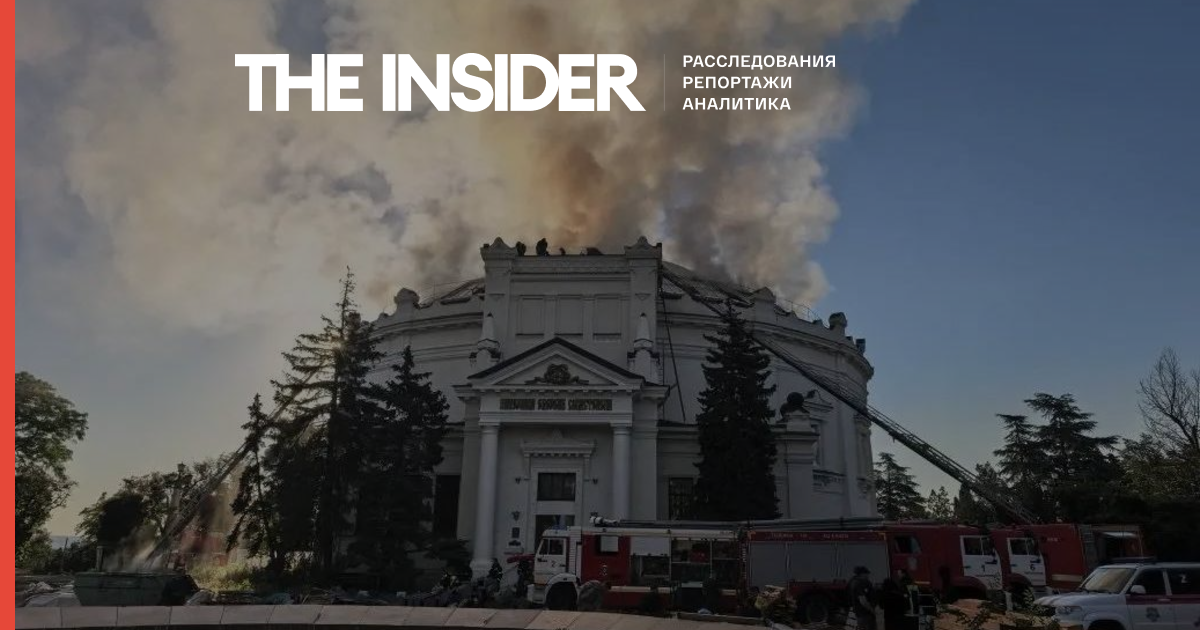
Historic Sevastopol Panorama Painting ‘Virtually Destroyed’ in Ukrainian Drone Strike A 360-degree vision of war has met a very 21st‑century weapon. In occupied Sevastopol, the famous Crimean War panorama is in ashes or close to it—depending on which official you believe.
Moscow-installed authorities: cultural martyrdom
Russian-appointed governor Mikhail Razvozhaev cast the blaze as the direct, deliberate work of Kyiv, saying Franz Roubaud’s vast painting The Siege of Sevastopol was “virtually destroyed” in a Ukrainian drone strike on the museum in the early hours of June 10. He reported a level‑four fire and more than 80 people battling the flames, calling the situation “extremely dire” and claiming the Ukrainian Armed Forces had deliberately targeted the site.
Another account from the Russian-appointed city administration similarly blamed a Ukrainian drone, saying a “major fire broke out after the attack,” with the Roubaud panorama “practically destroyed.” Officials stressed there were no casualties, only cultural loss.
Local museum vs. the fog of war
The museum’s own director, Mikhail Smolkin, struck a slightly more cautious note, saying the canvas might have been destroyed or “critically damaged,” but that only expert inspection after the blaze would confirm the full extent.
Yet even within the Russian-controlled narrative, the cause wobbles. The museum report speaks both of a drone and of “a shell hitting the roof,” a detail that could point to an air-defense missile or debris rather than a direct kamikaze-drone impact.
Kyiv’s silence and a ruined symbol
Ukraine, notably, has not commented on the strike or its intended target, leaving Russia’s version unchallenged but also uncorroborated. What is clear is that a centerpiece of imperial and Soviet military memory—already rebuilt once after a 1942 German air raid—has again been mauled by war.
In Sevastopol’s story of sieges and reconstructions, Roubaud’s panorama was meant to immortalize past battles. Instead, it has become fresh evidence that in this war, even the curated memory of conflict is no longer safe.
Write a comment