China Launches 'Special Maritime Operation' East of Taiwan
China Launches ‘Special Maritime Operation’ East of Taiwan China’s latest move east of Taiwan looks, depending on where you stand, like either routine “law enforcement” or a slow-motion rehearsal for a future crisis.
Beijing’s line is straightforward: this is a justified policing mission triggered by other countries overstepping. State-aligned outlets describe a “special maritime law enforcement operation” launched after Japan and the Philippines made a “unilateral statement” to start maritime border talks east of Taiwan, calling the Chinese action a “necessary response.” The mission’s purpose, they say, is to “fully exercis[e] China’s maritime administrative law enforcement jurisdiction and safeguard[] national rights and interests,” not to start a fight.
Opposition and independent reporting frame the same ships very differently. One outlet notes that Xinhua itself says the operation is meant “to fully exercise China’s administrative and law enforcement jurisdiction at sea” and “protect national rights and interests,” while Beijing brands the Tokyo–Manila talks a “serious violation of China’s territorial sovereignty and maritime rights.” Another piece stresses that China insists these negotiations “violate China’s territorial sovereignty and maritime rights,” but argues the real backdrop is a broader clash with Washington over the US “first island chain” strategy, which Beijing sees as a potential “American blockade” of its access to the Pacific.
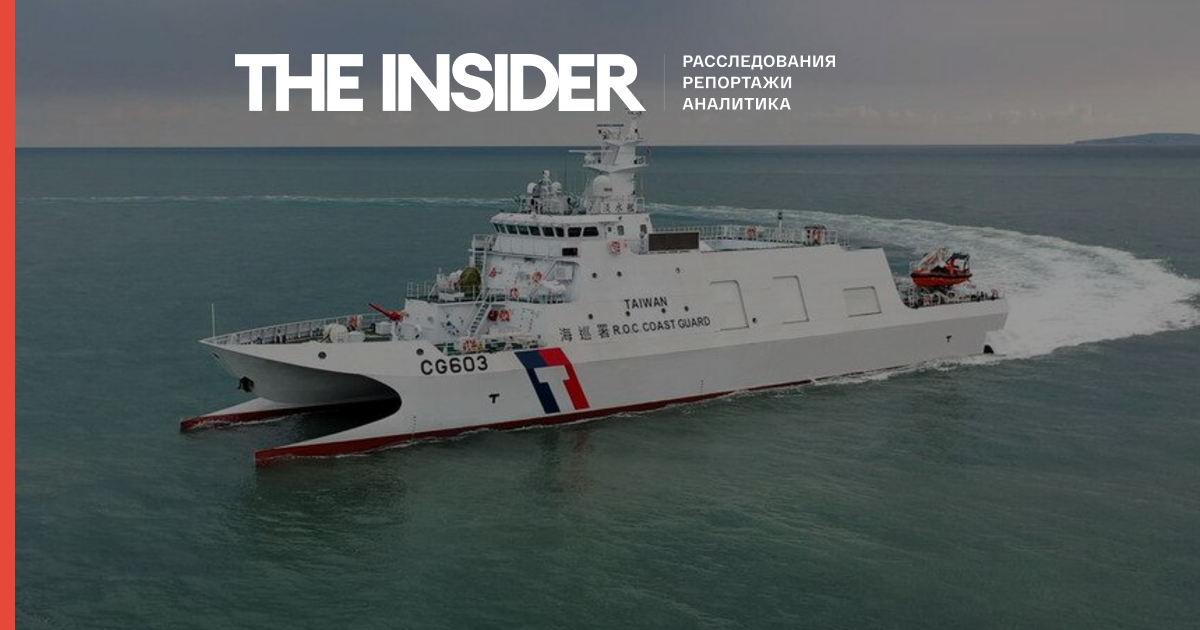
On the water, the contrast is even sharper. China claims the area as its exclusive economic zone and says “any negotiations involving maritime delimitation in waters east of Taiwan must involve China,” accusing Japan and the Philippines of “violat[ing] international law by bypassing Beijing.” Taiwan’s coast guard fires back that “China does not have sovereignty rights in the eastern waters” and calls the operation itself a breach of international law, dispatching at least five vessels to “respond appropriately” and shadow four Chinese government ships leaving Xiamen.
For now, analysts cited by opposition media see muscle-flexing and “light escalation,” not a march to war – a face-saving “diplomatic answer” rather than a military one. But when every “law enforcement” patrol doubles as a geopolitical telegram, the room for misreading the message keeps shrinking.
Write a comment