Ukrainian Drone Hits Passenger Train in Crimea, Killing One
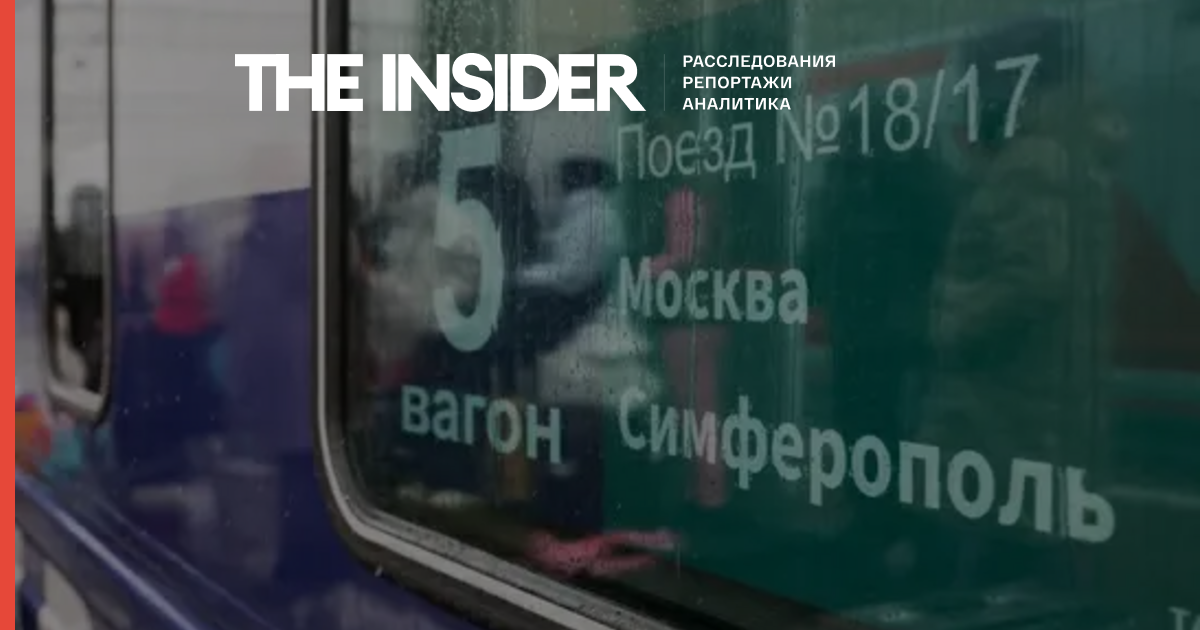
Ukrainian Drone Hits Passenger Train in Crimea, Killing One A single drone strike on a Moscow–Simferopol passenger train in occupied Crimea has become a Rorschach test for wartime narratives: for pro-Kremlin outlets, a contained emergency swiftly handled; for opposition media, a symbol of deepening chaos and fragility on the peninsula.
The Russian-appointed Crimean authorities lead with casualties and control. Regional head Sergey Aksyonov reported that a Ukrainian UAV hit the locomotive, killing the assistant driver and injuring the driver, while insisting that “none of the passengers were hurt.” State-aligned coverage doubles down on that reassurance, stressing that “the train’s passengers were not injured” and framing the episode as part of a broader pattern of Ukrainian “enemy drone” attacks to be met with “systematic and consistent strikes” on Ukraine’s military infrastructure.
Operationally, the government line emphasizes order and efficiency: operator Grand Service Express “temporarily suspended services in Crimea,” evacuated “all passengers on its trains on the peninsula,” and is moving travelers by bus after “passengers on all trains in Crimea” were evacuated following the attack. One government factbox reduces the episode to a controlled incident: a “UAV attack on Moscow-Simferopol passenger train” with passengers spared.
Opposition outlet The Insider tells a messier story. It confirms the basic facts — a drone “struck the diesel locomotive of passenger train No. 68 Moscow–Simferopol,” with the driver wounded and his assistant killed, and passengers unharmed — but zooms out to depict a transport system under sustained stress. Train traffic is “paralyzed,” passengers across Crimea are being shuttled by bus, delays reach 9–10 hours, ticket sales are halted, and refunds are processed without fees.
Where state media stops at evacuation, the opposition piles on context: repeated drone attacks on the key land route R-280 “Novorossiya,” fuel rationing, queues at gas stations, and emerging shortages of sugar, grains, flour, pasta, and cooking oil. In the official storyline, the train strike is an isolated terrorist act managed by decisive authorities; in the critical one, it’s another crack in Crimea’s increasingly strained wartime normal.
Write a comment