Pashinyan's Party Wins Armenian Parliamentary Elections
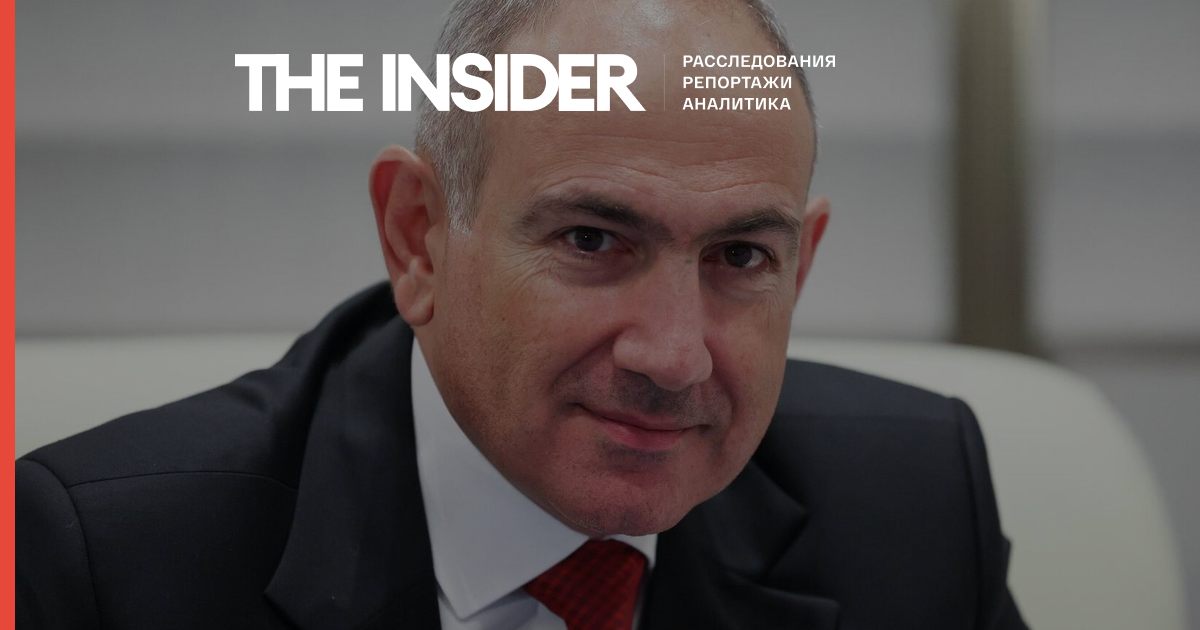
Pashinyan’s Party Wins Armenian Parliamentary Elections Armenia’s election ended with a landslide in seats but a knife‑edge in trust: Nikol Pashinyan keeps power, yet the argument over what exactly voters chose is only just beginning.
The government camp brands the result a clear mandate. State-aligned coverage leads with “Pashinyan declares victory in Armenia’s parliamentary elections,” stressing that Civil Contract “will single-handedly form the government.” The Central Election Commission’s full count shows the party on 49.81%, enough “to independently form cabinet,” while pro-Russian outlets frame this as a “Pro-EU Armenian ruling party” triumph poised to keep Pashinyan in office.
But even within that camp, the numbers are slippery. Early exit-poll reporting had “Armenia’s opposition parties” collectively on 52.9%, “outstripping PM Pashinyan’s party,” highlighting how fragmented rivals failed to turn raw support into power. A Russian expert goes further, arguing Pashinyan “exploited a fractured opposition to sell voters perceived stability and the European dream,” calling the EU track a “fairytale” slogan rather than a realistic path.
Opposition‑leaning and independent outlets paint a thinner mandate and a far riskier bet. One notes Pashinyan’s Civil Contract “did not reach 50% of the votes, but will still receive a majority of mandates,” warning he lacks the constitutional muscle needed to finalize a peace deal with Azerbaijan. Another tallies “50.07%” in preliminary results but stresses the vote unfolded amid “cooling relations between Armenia and Russia and attempts to move closer to the European Union.” Meduza underscores the same near‑50% figure and the narrow three‑party parliament, suggesting a polarized landscape rather than broad consensus.
On foreign policy, even critics concede Pashinyan is hedging. He promises to “continue the course of rapprochement with the West” while “simultaneously developing relations with Russia and other countries of the Eurasian Economic Union,” prioritizing an open border with Turkey and a peace treaty with Azerbaijan. Brussels hails an Armenian choice for a “European future,” while Moscow‑friendly analysts warn Yerevan is “risking it all.”
The vote, then, is less a coronation than a high‑wire act: Pashinyan holds the majority, but Armenia’s geopolitical and domestic balancing act just got steeper.
Write a comment