Armenia's Election Authority Rejects Request to Bar Opposition Bloc
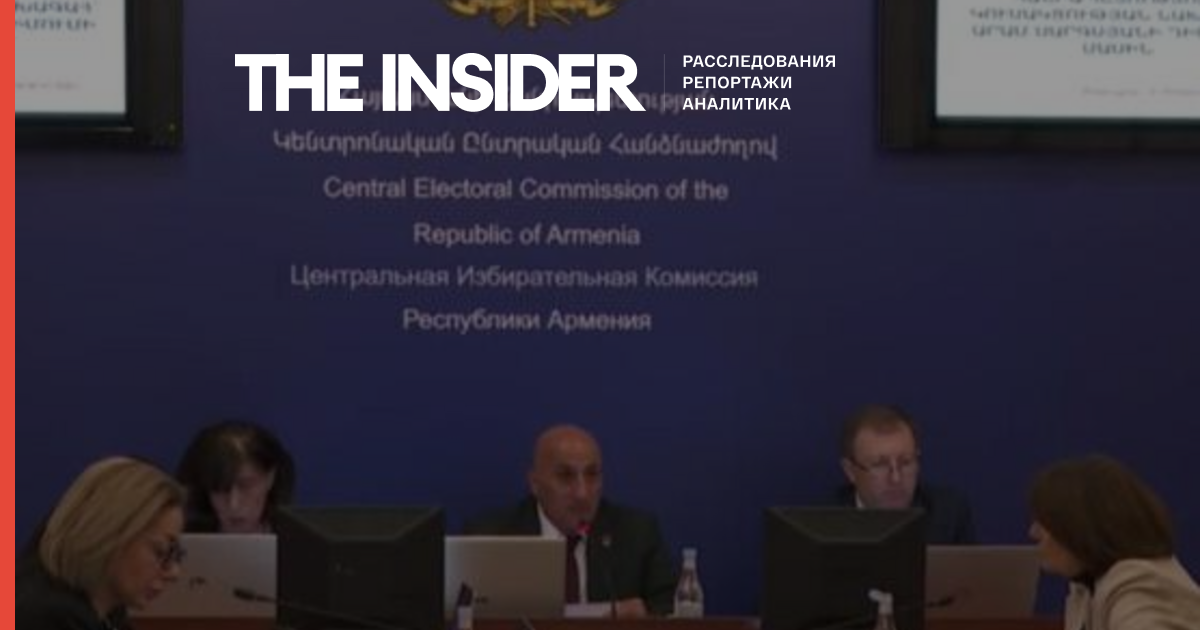
Armenia’s Election Authority Rejects Request to Bar Opposition Bloc Armenia’s election officials have turned a bribery scandal into a stress test of democracy, choosing to keep a major pro‑Russian bloc on the ballot rather than risk looking like they rigged the race.
On one side, the Central Election Commission (CEC) is casting itself as the last line of institutional restraint. Meeting in an emergency session, it “reject[ed] request to bar major opposition party from polls,” keeping the “Strong Armenia” bloc in the contest despite mounting accusations and arrests. CEC chairman Vahagn Hovakimyan argued there were “no grounds, including court decisions, for annulling the registration,” dismissing the bid to cancel the bloc’s participation as based on “assumptions.”
Across the aisle, the pro‑European “Republic” party paints a very different picture. In its complaint, it accused Strong Armenia and “persons associated with them” of “numerous acts aimed at distributing electoral bribes and concealing property interests among voters,” citing observer data and media reports. It also flagged alleged dual citizenship problems for bloc leader Narek Karapetyan and its nominee for prime minister, businessman Samvel Karapetyan, arguing they are legally ineligible for the top job.
Hovering over both camps is Prime Minister Nikol Pashinyan, who publicly urged “Republic” or other parties—not his own government—to challenge Strong Armenia so the authorities would not be “accused of fearing defeat.” Strong Armenia fired back, calling this a “direct instruction,” especially after six of its parliamentary candidates were arrested on charges including money laundering and its list leader was charged with concealing Russian citizenship.
All this unfolds amid reports of possible Russian interference and efforts to mobilize the Armenian diaspora, turning a technical CEC ruling into a proxy battle over whether Armenia leans toward Moscow or the European Union in its next political chapter.
Write a comment