Violent Street Brawl Between Two Men Captured on Video in Belgrade
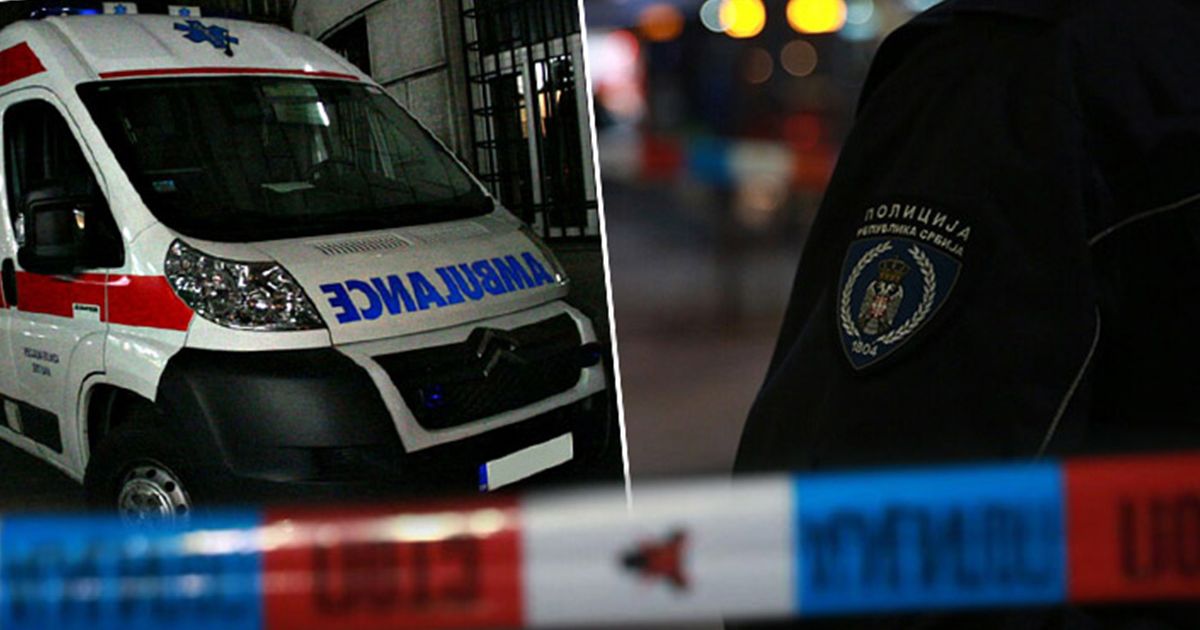
Violent Street Brawl Between Two Men Captured on Video in Belgrade pro-government Pro-government outlets depict the Belgrade street brawl as a uniquely brutal but isolated altercation between two men, emphasizing the shocking video and the attacker’s personal responsibility. They highlight that police will handle the case through standard procedures and avoid linking the incident to broader systemic or political failings. @Republika @Telegraf Two men were involved in a violent street fight on Južni Bulevar in Belgrade, recorded in a widely shared video that both opposition and pro-government outlets treat as authentic. The footage shows an argument escalating into physical violence, with one man striking the other with a hard object described as a jug or metal can, then kicking and stepping on the victim’s head while he lies on the ground. Reports from both sides describe the scene as disturbing or horrific, note that several bystanders looked on and filmed the incident, and that only one passerby eventually intervened to separate or deter the attacker. Coverage generally agrees that the assailant then moved away from the victim and the men dispersed, with no fatalities reported in the immediate aftermath, though precise information on injuries and later police action remains limited.
Across outlets, the event is situated within the broader issue of public safety and street violence in Belgrade, referencing busy urban boulevards, the presence of surveillance cameras, and the expectation that police should respond rapidly to such incidents. Both opposition and pro-government media link the brawl to concerns about the normalization of violence, the influence of alcohol or prior personal disputes, and the role of social media in amplifying graphic content. They frame the case as part of a pattern of incidents that test institutional capacity, including law enforcement responsiveness and prosecutorial follow-up in cases of serious bodily harm. There is also shared acknowledgment that debates about preventive measures, criminal penalties, and civic responsibility of bystanders are likely to follow, even if specific reform proposals differ.
Areas of disagreement
Framing of the incident. Opposition-aligned outlets tend to present the brawl as symptomatic of a broader climate of lawlessness and rising urban violence, sometimes implying that such scenes have become more frequent under the current government. Pro-government outlets, by contrast, emphasize the singular brutality and shock value of this particular fight, treating it as an exceptional, horrifying outburst rather than evidence of systemic deterioration. While the opposition often weaves the video into a narrative of societal decay, pro-government reporting leans on sensational language about the “most brutal showdown in a long time” without extrapolating to a wider trend.
Responsibility and blame. Opposition sources typically connect responsibility upward, suggesting that lax policing, political protection of certain violent actors, or a culture of impunity created by the authorities contributes to such street violence. Pro-government media largely confine blame to the individual attacker, characterizing him as a deviant or hot-headed person and avoiding discussion of institutional or political accountability. Where the opposition implicitly or explicitly criticizes the ruling structures for failing to guarantee basic public safety, pro-government coverage keeps the focus on personal misconduct and the shocking behavior of those present.
Role of institutions and police response. Opposition outlets often highlight unanswered questions about how quickly police arrived, whether the area was adequately patrolled, and if past warnings about violence in nightlife or boulevard areas were ignored, using the case to argue that institutions are slow, selective, or ineffective. Pro-government outlets either mention official reactions in a brief, procedural way or omit them, downplaying any suggestion of systemic failure and, when cited, portraying police actions as appropriate and ongoing. This contrast means opposition coverage frames the incident as an indictment of state capacity, while pro-government coverage portrays it as a matter for routine law enforcement handling.
Societal context and media ethics. Opposition media are more likely to situate the fight within a culture of violence they link to dominant television programming, tabloid sensationalism, and politicized tolerance of aggressive behavior, sometimes criticizing pro-government tabloids for profiting from shocking footage. Pro-government outlets, even while using graphic descriptions and video stills, tend to stress the public’s right to be informed and the need to “raise awareness” about the consequences of violent disputes, rarely acknowledging their own role in sensationalizing such content. Thus, opposition narratives foreground structural and cultural drivers of aggression, while pro-government narratives defend their coverage as informational and avoid self-critique.
In summary, opposition coverage tends to treat the Belgrade street brawl as evidence of deeper institutional failure, normalization of violence, and a broader climate for which the authorities bear indirect responsibility, while pro-government coverage tends to isolate the event as a shocking but individual act of brutality, emphasizing sensational details and routine police handling rather than systemic critique. Story coverage
Write a comment