Fuel Shortages and Price Hikes Hit Croatia
Fuel Shortages and Price Hikes Hit Croatia pro-government Pro-government coverage presents the fuel shortages and price hikes as consequences of global market turmoil and conflict, not primarily domestic policy. It emphasizes government price controls, excise reductions, and differentiated highway pricing as responsible steps to shield citizens and the economy from even harsher shocks. @Republika @Политика @Alo! Fuel shortages and price hikes in Croatia are being reported across the country, with both opposition and pro-government sources agreeing that many gas stations are facing diesel shortages, long queues, and in some cases reduced working hours or temporary closures. All sides highlight that new, higher fuel prices for gasoline and diesel are taking effect, with commonly cited regulated figures around 1.62 euros per liter for basic gasoline and 1.73–1.84 euros for eurodiesel, while one set of reports notes higher, market-based prices at highway stations. Media on both sides acknowledge that citizens are reacting with panic buying and stockpiling, including filling canisters, which in turn exacerbates local shortages at pumps in places such as Zagreb and Udbina, and that travel to neighboring Bosnia and Herzegovina has again become attractive due to lower prices of roughly 1.31 euros for gasoline and 1.64 euros for diesel.
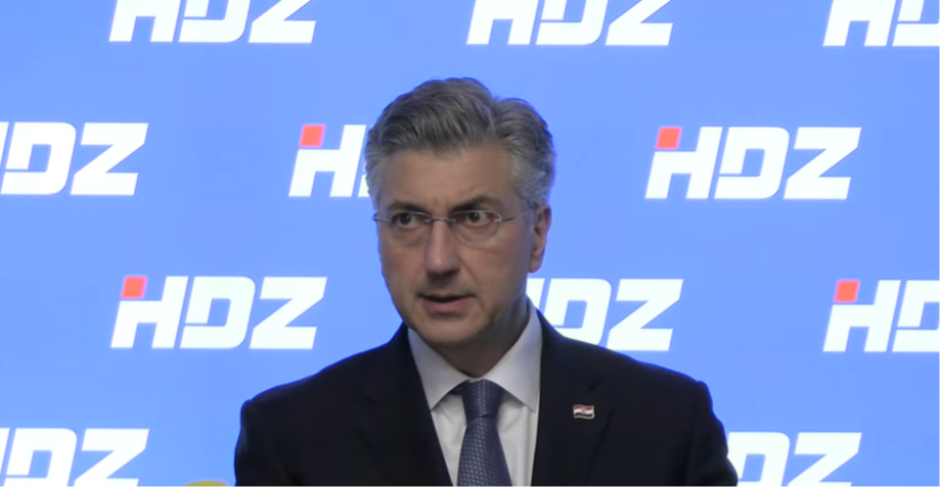
There is broad agreement that the Croatian government has intervened in the fuel market by capping prices off highways and adjusting excise duties, with Prime Minister Andrej Plenković and Economy Minister Ante Šušnjar publicly explaining the measures. All outlets situate the price hikes within a broader international energy context, including references to instability and war in the Middle East as a key external driver of rising costs. Coverage from both camps notes that the government’s scheme differentiates between off-highway stations, where regulated prices apply, and highway stations, where prices remain market-based, and that this framework is intended to protect households and the domestic economy while attempting to preserve market supply. They also consistently emphasize the role of state institutions in trying to balance fiscal revenues, energy security, and inflation control during a period of heightened global volatility.
Areas of disagreement
Responsibility and blame. Opposition-aligned sources portray the shortages and queues as a direct consequence of government mismanagement, arguing that delayed or poorly designed interventions triggered panic and exposed structural weaknesses in supply. Pro-government outlets, by contrast, foreground the external shock from global energy markets and regional conflicts, framing the cabinet’s actions as a necessary response to forces beyond Croatia’s control. While opposition coverage stresses that authorities should have anticipated and prevented station closures and diesel scarcity, pro-government coverage presents the government as actively working to safeguard citizens and jobs against uncontrollable price swings.
Effectiveness of government measures. Opposition narratives tend to describe the price caps and excise reductions as half-measures that fail to prevent real price jumps at the pump, particularly given higher allowed price ceilings and exceptions on highways. Pro-government media emphasize the protective aspect of these interventions, arguing that without them prices and shortages would be significantly worse, and highlighting regulated rates as proof of successful mitigation. The opposition perspective focuses on the visible chaos at stations and continuing shortages as evidence that policies are not working, whereas pro-government reporting stresses long-term economic stability and preservation of employment as key indicators of policy success.
Characterization of public reaction. Opposition outlets are likely to frame the long queues, canisters at pumps, and cross-border fuel trips as rational responses to rising costs and eroding trust in government assurances. Pro-government sources more often depict these behaviors as excessive or panic-driven, underscoring that official appeals not to hoard were ignored and thereby worsened shortages. While opposition coverage uses public anxiety to illustrate policy failure, pro-government coverage uses it to argue that irresponsible stockpiling, amplified by alarmist rhetoric, is aggravating an already difficult but manageable situation.
Broader political framing. Opposition media connect the fuel turmoil to wider critiques of the ruling party, depicting it as another symptom of systemic economic and governance problems and calling into question the competence of current leadership. Pro-government outlets instead fold the crisis into a narrative of steady, responsible stewardship during an era of overlapping global crises, presenting the government as a stabilizing force in contrast to what they imply is opposition scaremongering. Where opposition reporting highlights social inequality and the burden on ordinary citizens as a political indictment, pro-government reporting stresses institutional continuity, fiscal responsibility, and alignment with broader European responses.
In summary, opposition coverage tends to cast the fuel shortages and price hikes as avoidable and symptomatic of government failure, while pro-government coverage tends to frame them as the result of external shocks that the current cabinet is actively and reasonably working to contain. Story coverage
Write a comment