SpaceX Sets IPO Price with Valuation Nearing $2 Trillion
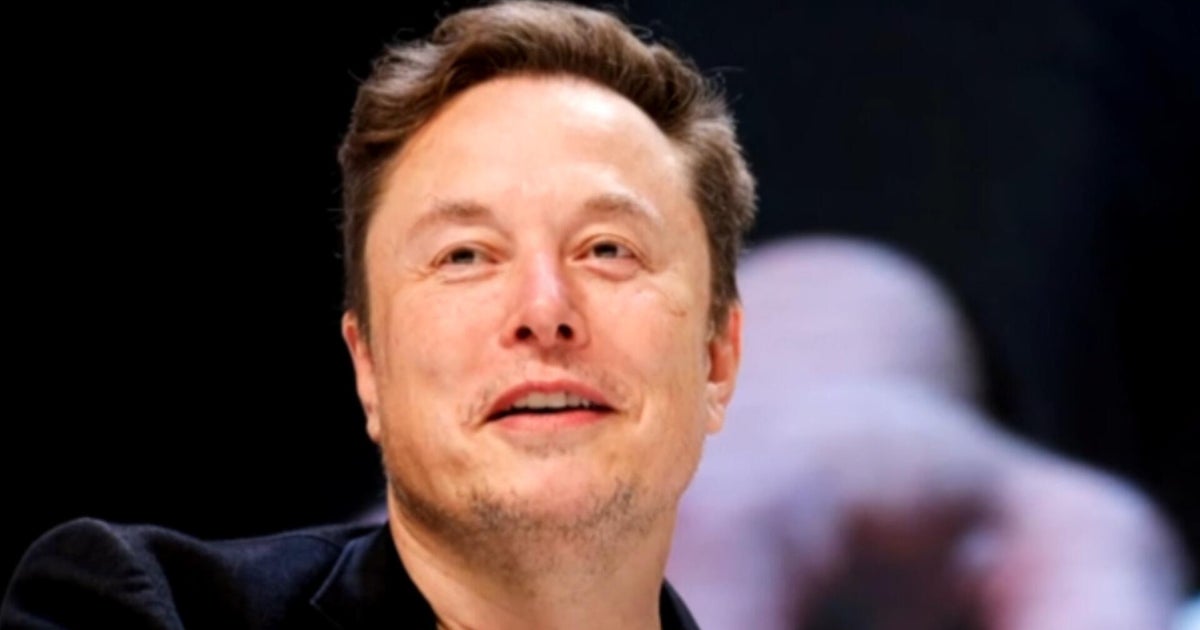
SpaceX Sets IPO Price with Valuation Nearing $2 Trillion SpaceX’s decision to pursue a stock market debut at a valuation nearing $1.8 trillion pits visions of transformative technology against concerns over speculative excess and corporate power.
A record-breaking bet on Musk
From a market-structure standpoint, the liberal-leaning coverage frames the listing primarily as an unprecedented stress test for public investors. CBS describes how “SpaceX plans biggest stock market debut ever”, with 555,555,555 shares at $135 apiece to raise about $75 billion and imply a $1.77 trillion market value. That scale would eclipse Saudi Aramco’s 2019 record and instantly place SpaceX among the world’s most valuable companies.
Yet the same reporting stresses the financial gap between narrative and numbers: SpaceX is “currently losing billions of dollars a year,” with a $2.6 billion operating loss on $18.7 billion in revenue, even as the IPO could make Elon Musk a paper trillionaire. The subtext is cautionary: public markets are being asked to underwrite not just rockets, but a personality-driven, high-risk vision that includes a permanent human colony on Mars.
Starlink and the $2 trillion justification
ARK Invest, which already holds SpaceX in its venture fund, offers a contrastingly bullish thesis focused on Starlink. CNBC reports ARK’s view that “Starlink alone supports $2 trillion value at IPO”, with chief futurist Brett Winton saying he is not surprised SpaceX is “targeting a valuation in excess of and close to $2 trillion.”
Where CBS emphasizes current losses, ARK emphasizes future bandwidth and AI-driven demand: Starlink’s network already generates about $13 billion in annual revenue and ~500 terabits per second of capacity, with the Starship rocket expected to slash launch costs and accelerate satellite deployment. ARK ties SpaceX to a projected $15–$20 trillion in enterprise value from AI model operators by 2030, calling this “the critical technological inflection… in the history of humanity.”
Comparing the frames
Both perspectives agree the IPO will be historic in scale and that Musk will retain overwhelming control. But where CBS foregrounds financial risk, extreme concentration of voting power, and the gap between present losses and lofty promises, ARK and CNBC foreground exponential growth scenarios in satellite internet and AI, using those projections to argue that even a $2 trillion valuation could be rational.
The resulting tension for investors and regulators is stark: is SpaceX a speculative megacap built on unproven futures, or a cornerstone of an impending AI-and-space infrastructure era that public markets are only just beginning to price?
Write a comment