Liverpool Appoints Andoni Iraola as New Head Coach
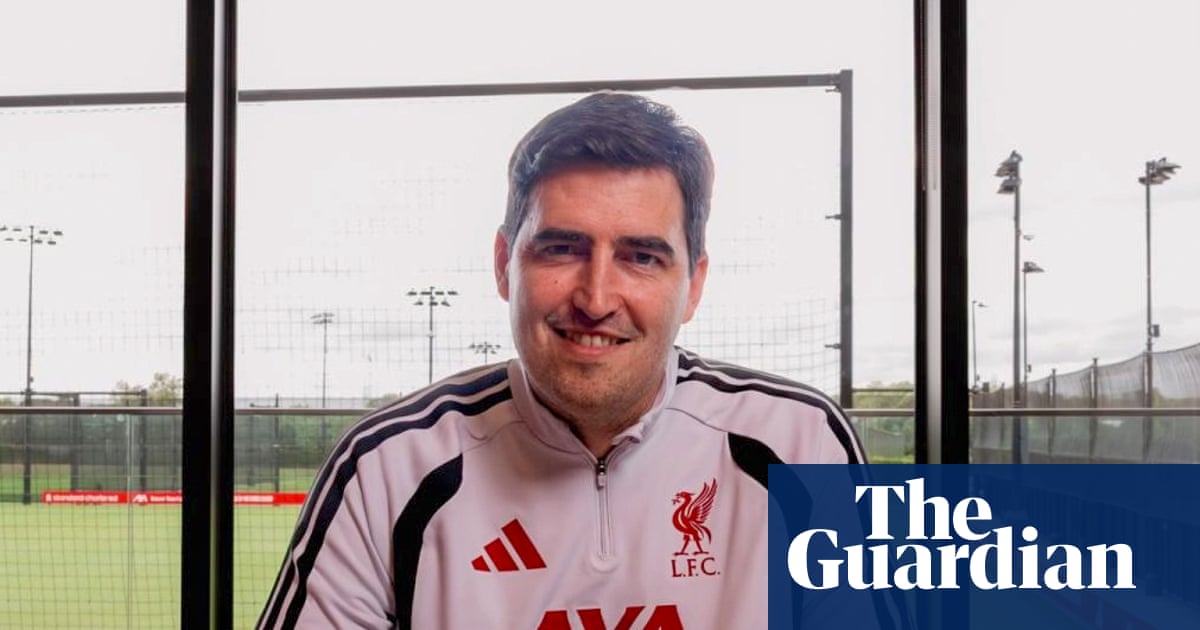
Liverpool Appoints Andoni Iraola as New Head Coach Liverpool’s move to appoint Andoni Iraola just six days after sacking Arne Slot signals both urgency and risk, as the club bets on stylistic continuity and rapid cultural repair without addressing deeper structural uncertainties.
Strategic vision vs. lingering instability
From a liberal-leaning viewpoint, Liverpool’s hierarchy is praised for its decisiveness. Richard Hughes and Michael Edwards are credited with acting “with decisiveness and a clear sense of what Liverpool’s difficult situation demanded in switching head coaches within six days,” a move seen as essential to prevent fan disillusionment from “festering.” The appointment is framed not as a panic reaction but as a targeted reset designed to re‑energize an aggressive, Klopp‑style game model that supporters recognise.
Yet the same analysis stresses that Iraola’s arrival “removes just one layer of uncertainty from Anfield,” with questions remaining over how the new leadership structure and recruitment strategy will function in practice. Squad surgery — notably two wingers and a right‑back — is described as urgent, implying that stylistic alignment alone will not fix a team that has underperformed despite Champions League qualification under Slot.
Iraola’s promise vs. Premier League reality
Both liberal pieces converge on the idea that Iraola is a coherent tactical fit. Liverpool identified him as “the ideal candidate for their preferred playing style” and, despite considering other coaches, “Iraola was always Liverpool’s favoured option and the only one spoken to about the vacancy.” His Bournemouth tenure, where he improved the team year on year, is held up as proof of his ability to develop players and manage disruption.
However, the context is sharply contrasted: the patience that allowed Iraola to survive a nine‑game winless start on the south coast is unlikely at Anfield, where a similar run would see fans “screaming [‘Who the… is this guy?’] at those responsible.” Iraola himself acknowledges he must “earn the right also to belong” and that at Liverpool “you cannot promise everything… but I understand where I’m coming and what is expected.”
In sum, liberal commentary casts the appointment as a bold, logically aligned gamble: structurally plausible, tactically coherent, but exposed to the unforgiving expectations of a club that now demands both style and immediate results.
Write a comment