Scott Pelley Fired From '60 Minutes' After Clashing With New Leadership
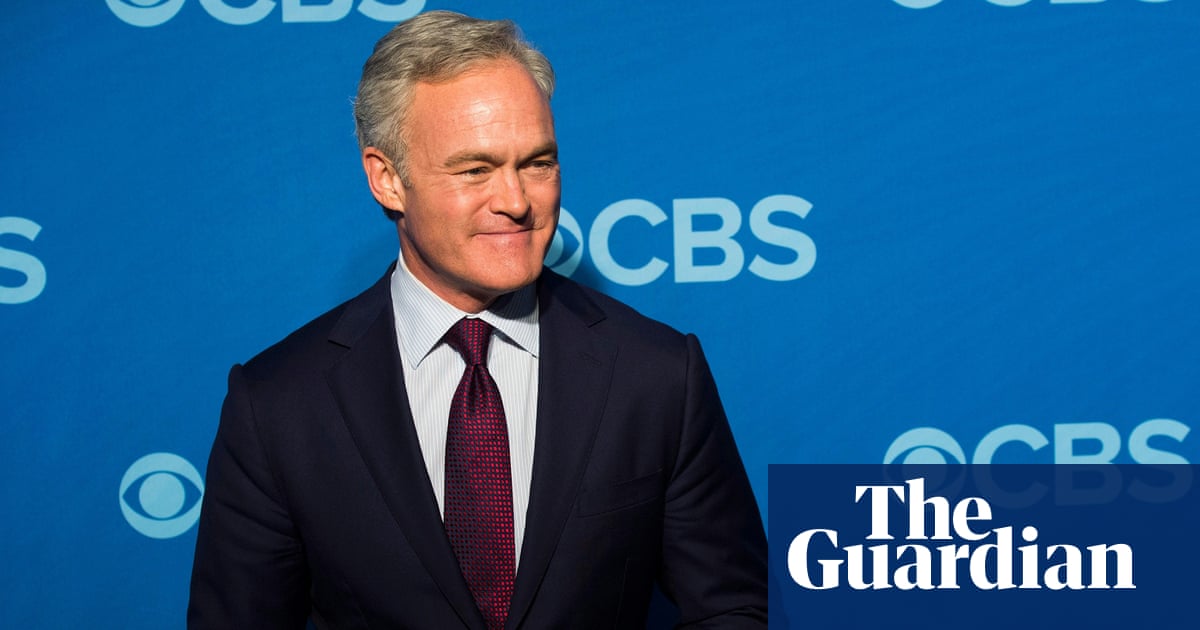
Scott Pelley Fired From ‘60 Minutes’ After Clashing With New Leadership Veteran anchor Scott Pelley’s sudden ouster from 60 Minutes has become a proxy war over what — and whom — Americans can still trust in televised news. The core dispute is not just about workplace decorum, but about whether new CBS leadership is reshaping the storied program’s journalism or protecting it.
Pelley’s camp frames his firing as punishment for resisting political and editorial interference. In a detailed statement, he accused new executives of ordering him “to inject falsehoods and bias into a politically sensitive story” and to include “assertions that are unverified,” charges he says he repeatedly defied. He further alleged that CBS’s new owner is “casting this legend aside, apparently to curry a moment of favor with the Trump administration,” and that “good people were silenced because they stood up for our audience … against the forces of political bias.” Liberal commentary amplified that narrative, mocking self-styled “free speech hero” Bari Weiss for “sh*tcanning” Pelley “for speaking too freely” and portraying new producer Nick Bilton as emblematic of “enshittification” at the network.
CBS management offers the mirror image: a story of insubordination dressed up as principle. In his termination letter, Bilton wrote that Pelley “hijacked my first meeting with staff to disparage me, my qualifications, and my intentions with remarkable incivility and contempt,” calling it a “performative display of hostility” that showed “no interest in contributing to the future success of the show.” Weiss similarly told staff that the newsroom’s “foundation” of “trust and mutual respect” had been “broken on Monday,” leaving CBS with no choice but to part ways despite “attempts to engage with Scott Pelley and find a way forward.”
On the right, some outlets cheer the move as overdue discipline. One described Pelley’s confrontation as a “meltdown,” calling his firing “absolutely the right move” because “rancorous insubordination to that degree is intolerable at any decent workplace.” Others see it as yet more evidence that “turmoil continues” at a network already suffering a “civil war inside the iconic news magazine.”
The irony is that both sides invoke “trust” and “integrity” while offering the public little verifiable detail about the alleged pressure on coverage or the precise line between dissent and misconduct. In an era of collapsing confidence in media, the episode exposes a deeper problem: viewers are being asked to pick a side in an internal credibility fight that neither side has fully substantiated — and that 60 Minutes has yet to answer on air.
Write a comment