US and British Soldiers Die in Training Accident in Iraq
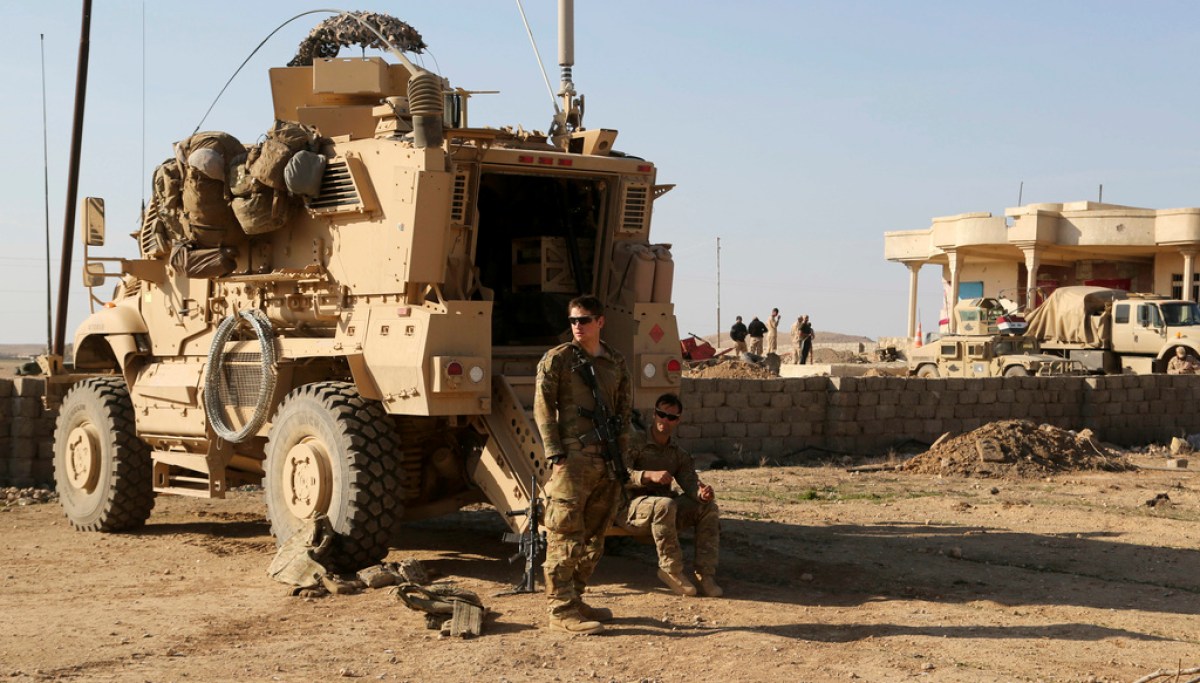
US and British Soldiers Die in Training Accident in Iraq Two allied soldiers are dead after what officials describe as a “training accident” in northern Iraq, yet the political narratives around the incident diverge sharply on what the deaths say about the broader U.S.-U.K. mission there.
Conservative-leaning coverage emphasizes the operational and geopolitical backdrop, framing the deaths at the Erbil air base as occurring amid heightened regional danger. The U.S. and U.K. presence is cast primarily as part of efforts “to help combat ISIS,” while noting troops “have also come under attack from Iran-allied Shiite fighters.” The incident is embedded in a storyline of mounting “retaliatory attack[s] from Iran and its proxy fighters,” with the same day reportedly seeing Iranian strikes on U.S.-backed Kurdish forces in northern Iraq. This framing implicitly raises questions about whether continued exposure to such a volatile environment makes tragic accidents more likely—or more politically charged.
Liberal-leaning reporting, by contrast, focuses on the human toll, institutional restraint, and long-term posture. Officials are described as withholding details “out of respect for the families,” with the U.S. Army delaying release of the fallen service member’s identity and the U.K. Ministry of Defence requesting a “period of grace.” Coverage highlights Defense Secretary John Healey’s statement that he was “deeply saddened by the death” of the British soldier, placing grief and privacy ahead of geopolitics.
Where conservatives stress a dangerous arena shaped by Iran, ISIS, and a gradual coalition drawdown, liberals underscore that the U.S. is already reducing its footprint while maintaining a presence to “strengthen ties with the Kurds,” symbolized by a new U.S. consulate in Erbil. Both perspectives agree on the basic facts of the accident and the allied nature of the mission, but they diverge on what most deserves scrutiny: the risks of remaining in a hostile region versus the costs and responsibilities of a long-term strategic relationship.
Write a comment