US Sanctions Iranian Crypto Exchanges, Including Nobitex
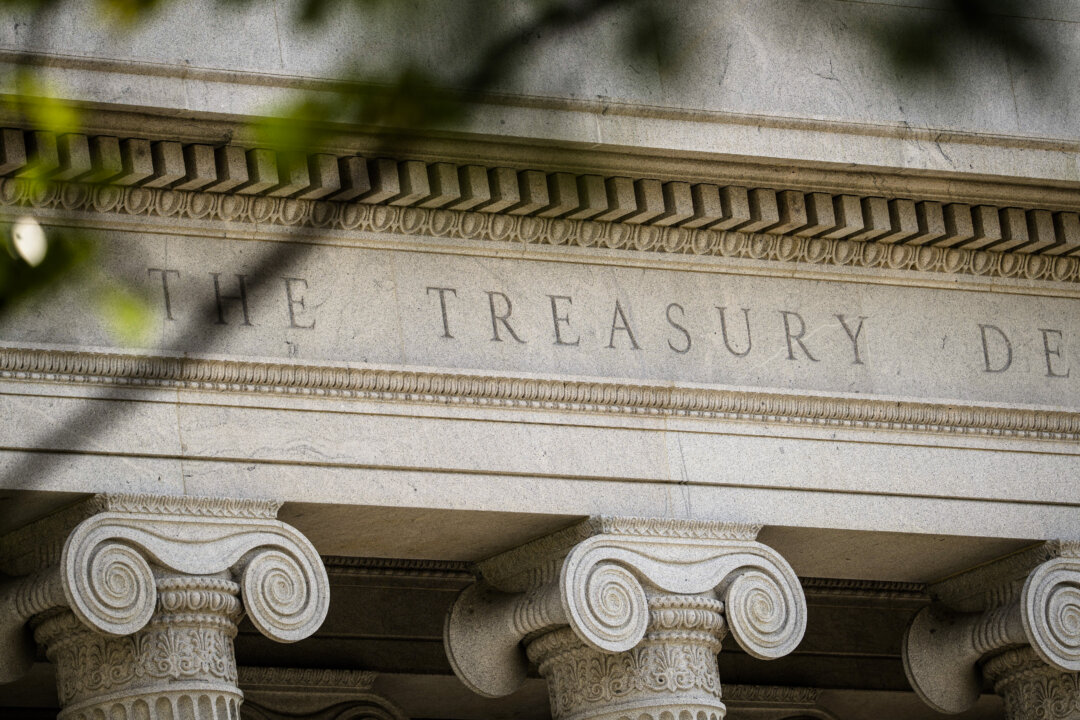
US Sanctions Iranian Crypto Exchanges, Including Nobitex The U.S. move to blacklist Iran’s biggest crypto exchange and several peers sits at the intersection of financial warfare and digital innovation, raising questions about whether sanctions are targeting terror financing or choking off an emerging sector for ordinary Iranians.
Washington’s conservative-leaning outlets frame the decision as an unambiguous security measure and a logical extension of maximum-pressure tactics. The Washington Times emphasizes that the administration “sanctions Iran’s largest digital asset exchange Nobitex and 3 others,” explicitly tying the action to a broader campaign “to pressure Iran into a deal that would end an ongoing war with the U.S. and Israel.” This framing underscores geopolitical leverage over concerns about collateral damage to Iran’s digital economy.
The Epoch Times sharpens that focus on security and elite networks, stressing that the Treasury targeted Nobitex, “whose cofounders are close associates of former Supreme Leader of Iran Ali Khamenei’s family,” and describing the move as aimed at “terror ties” and “sanctions evasion.” Its detailed account of the designation of Nobitex, Wallex, Bitpin, and Ramzinex — along with four Nobitex executives — highlights alleged facilitation of payments for the Islamic Revolutionary Guard Corps (IRGC), ransomware actors, and efforts to prop up the embattled Iranian rial.
Both conservative sources largely converge on a narrative of necessary containment: the exchanges are portrayed as systemic conduits for illicit finance, with Nobitex alone allegedly processing “more than 50 percent of Iranian digital asset inflows in 2025.” Yet what is absent is any sustained examination of how cutting off such a large share of Iran’s crypto ecosystem affects non-state users, from small traders to dissidents who rely on digital assets to bypass state and banking controls.
In this telling, crypto is viewed less as a neutral technology and more as a battlefield tool — reinforcing a sanctions-first doctrine while leaving unanswered whether broad financial blacklisting will curb Iran’s malign activities or simply push them further into opaque channels.
Write a comment