Poll Shows One Nation Surpassing Labor Party in Australian Voter Support
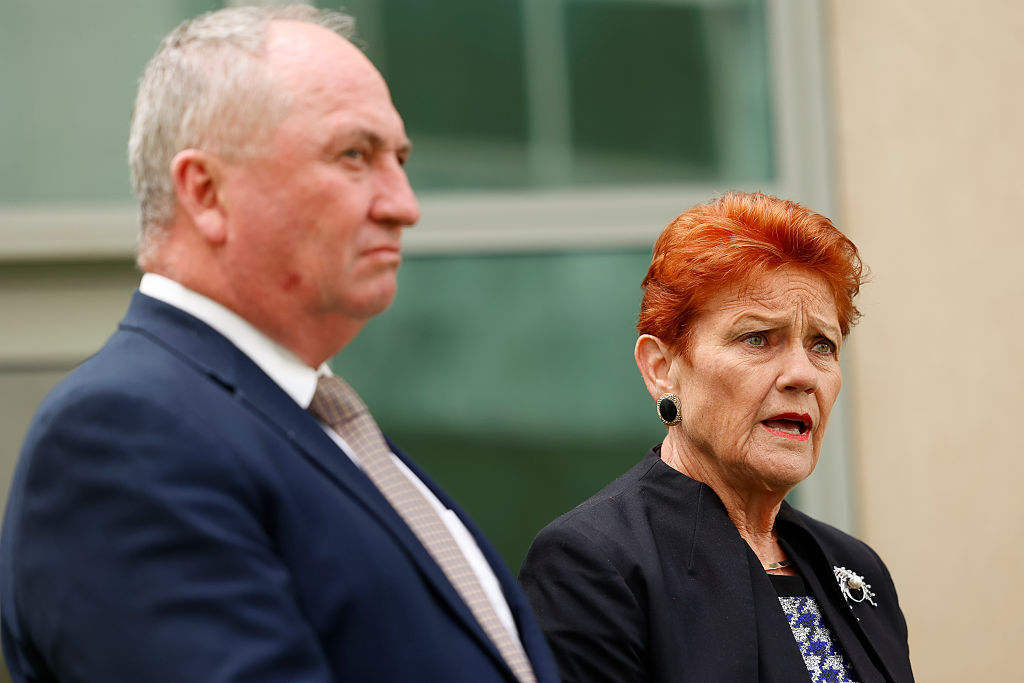
Poll Shows One Nation Surpassing Labor Party in Australian Voter Support A single poll has thrown Australia’s political hierarchy into question, elevating One Nation above both Labor and the Liberal–National Coalition while leaving major parties scrambling to define what, if anything, it really means.
One Nation: From fringe to frontrunner?
From the conservative-leaning vantage point, the Redbridge Group/Accent Research poll looks like a watershed. One Nation’s primary support has risen to 31 percent, eclipsing Labor on 28 percent and the Coalition on 20 percent. The party is described as having “eclipsed Labor to become the most popular political party in the country,” with leader Pauline Hanson reportedly outpolling Prime Minister Anthony Albanese as preferred prime minister.
This framing casts the result as both a symbolic breakthrough and a repudiation of the political establishment, elevating what was long treated as a minor party into a plausible national contender.
Major parties: Downplay the shock, blame the economy
Labor and Liberal figures, by contrast, are working to deflate any sense of inevitability. Another account stresses that the same poll merely shows a “conservative-leaning One Nation” nudging ahead in primary support—31 percent to Labor’s 28 and the Coalition’s 20—emphasising that this is the first time, not a settled realignment.
Labor Health Minister Mark Butler explicitly warns against panic, arguing voters should not read “too much” into a single survey with the federal election still two years away and “a million polls between now and election day.” He links volatility in support to cost‑of‑living stress, noting households were already strained by high inflation before international conflict pushed prices higher.
Competing narratives, same underlying risk
In sum, One Nation and its sympathisers present the poll as an “incredible honour” and a popular correction to out‑of‑touch elites, while Labor and Liberal voices reframe it as a protest snapshot in a turbulent economy, not a verdict on who should govern. Both sides, however, implicitly concede the same point: discontent is deep, and if economic pressures persist, one poll “indicator, not a vote” may yet become the new normal.
Write a comment