Christian Pulisic Leads USMNT to 3-2 Victory Over Senegal
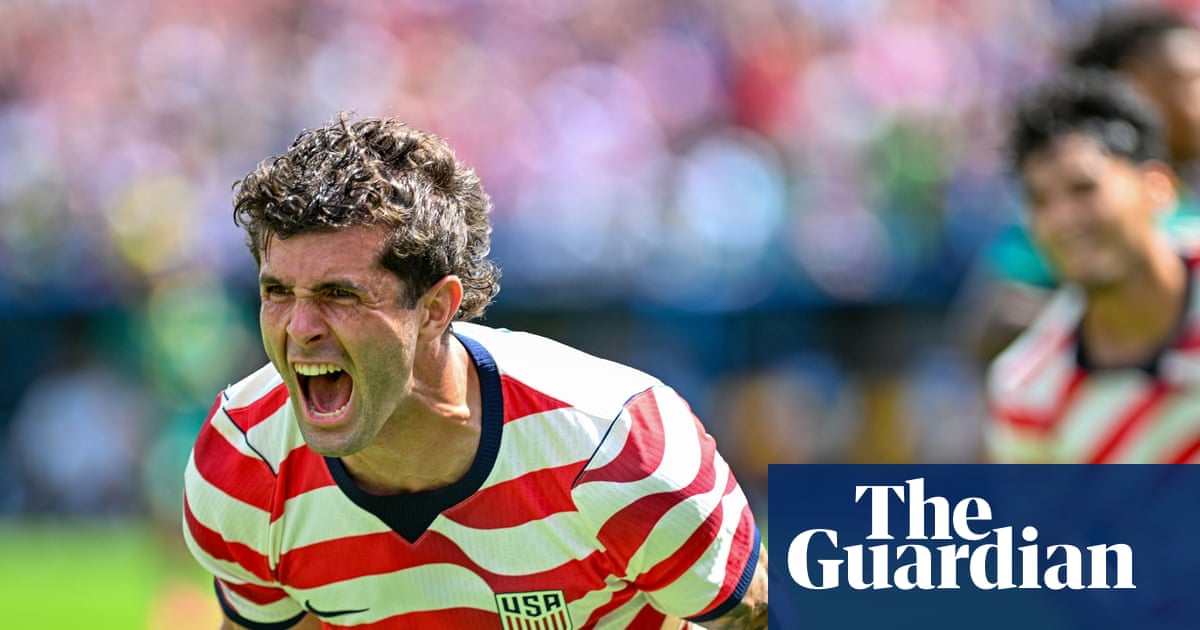
Christian Pulisic Leads USMNT to 3-2 Victory Over Senegal Christian Pulisic’s breakout performance against Senegal has been framed as both a reassuring return to form and a reminder of how fragile the U.S. men’s national team remains on the eve of a home World Cup.
Liberal-leaning coverage centers Pulisic as the narrative anchor of the night. One account declares that he “shines as US kick off World Cup preparations with 3-2 win over Senegal,” stressing that his goal and assist finally snapped a nearly six‑month national-team scoring drought and delivered “plenty of reasons for optimism” after a grim March window against Portugal and Belgium. Another piece leans into the catharsis, noting that his “imperious 45 minutes” put lingering questions to rest, even as his manager insists there is still more to come.
At the same time, those same sources are strikingly unsentimental about the collective performance. The 3-2 scoreline is described as a wild swing in momentum — “2-0 became 2-2, became 3-2” — less a comfortable tune‑up than a physically and mentally draining contest. Senegal’s goals are repeatedly linked to American defensive breakdowns, framed as part of a “troubling trend” that undercuts any triumphalist reading of the result.
The most pointed contrast emerges around tactics and the sport’s evolving rules. One article focuses less on Pulisic than on the image of Mauricio Pochettino huddling players around a laptop during a mandated mid‑half cooling break — “the USMNT create their World Cup journey’s first memeable moment” — and more broadly on how FIFA’s safety‑driven stoppages are becoming quasi‑NBA timeouts. Pochettino is cast as both innovator and reluctant beneficiary, using on‑the‑spot video analysis he claims to have pioneered in 2009, yet sharing purists’ unease that such breaks disrupt football’s traditional flow.
Taken together, these perspectives converge on a cautious verdict: Pulisic’s resurgence and Pochettino’s tactical ingenuity are real positives, but the chaotic scoreline and lingering structural flaws suggest this was less a statement win than an early stress test for a team still under construction.
Write a comment