Paris Saint-Germain Wins Champions League Final Against Arsenal
Paris Saint-Germain Wins Champions League Final Against Arsenal Paris Saint-Germain’s penalty-shootout win over Arsenal delivered the sporting drama UEFA craves, but it also exposed sharply divergent narratives about power, suffering and what this final really meant.
On one side, PSG are framed as a consolidating superpower. Their back‑to‑back European crowns are presented as the confirmation of “a dynastic team; the rarity of retaining a Champions League title.” Match coverage leans into the symbolism of Marquinhos lifting the trophy amid “golden confetti” and red flares, casting the French champions as “hugely deserving” winners who completed a “much‑trumpeted two‑peat.” Player ratings reinforce this reading of systemic strength: Vitinha is “the heartbeat of PSG’s midfield,” Désiré Doué “inspired PSG’s fightback,” and the champions are depicted as able to raise their level collectively after a poor start.
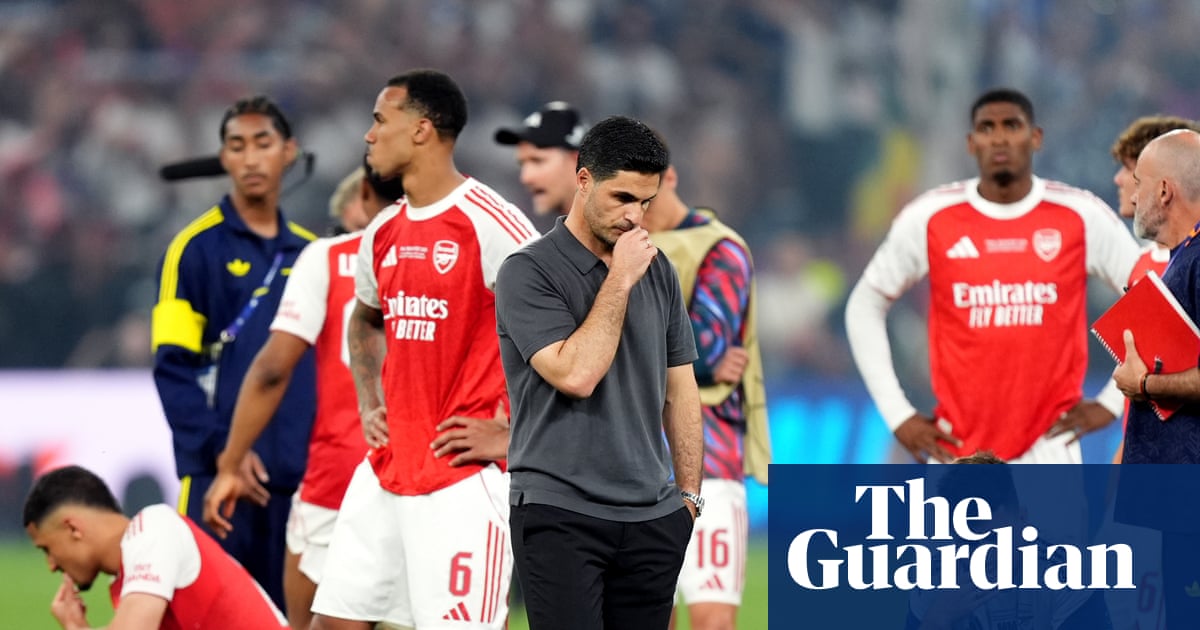
On the other side is Arsenal’s emotional arc, where aesthetics and anguish take center stage. Pre‑collapse, the evening is described as a “brilliant, high-grade, dizzyingly tense game of football,” with Arsenal going “toe‑to‑toe with PSG” in a “gruelling, high-grade contest.” Individually, Kai Havertz is praised for a “classy” early goal that stunned PSG, while young midfielder Myles Lewis‑Skelly is singled out for having “dazzle[d]” in defeat. Yet the liberal coverage turns unsparingly critical at the decisive moment: Gabriel Magalhães’ walk to the spot is portrayed as an ordeal in which “his heart hammered” before he lashed the ball over, leaving Arsenal “broken.”
Mikel Arteta’s own response bridges these narratives. He condenses the mood into one word – “Pain, that’s it” – but urges his players to “take that pain… and turn it into fuel,” insisting Arsenal must “reach a different level” to live with “the quality around Europe” and acknowledging PSG as “the best team in the world.” Where the PSG story is about confirmation of hierarchy, Arsenal’s is about the cost – and possible value – of falling just short.
Write a comment