Meteor Explodes Over Massachusetts, Causing Loud Booms
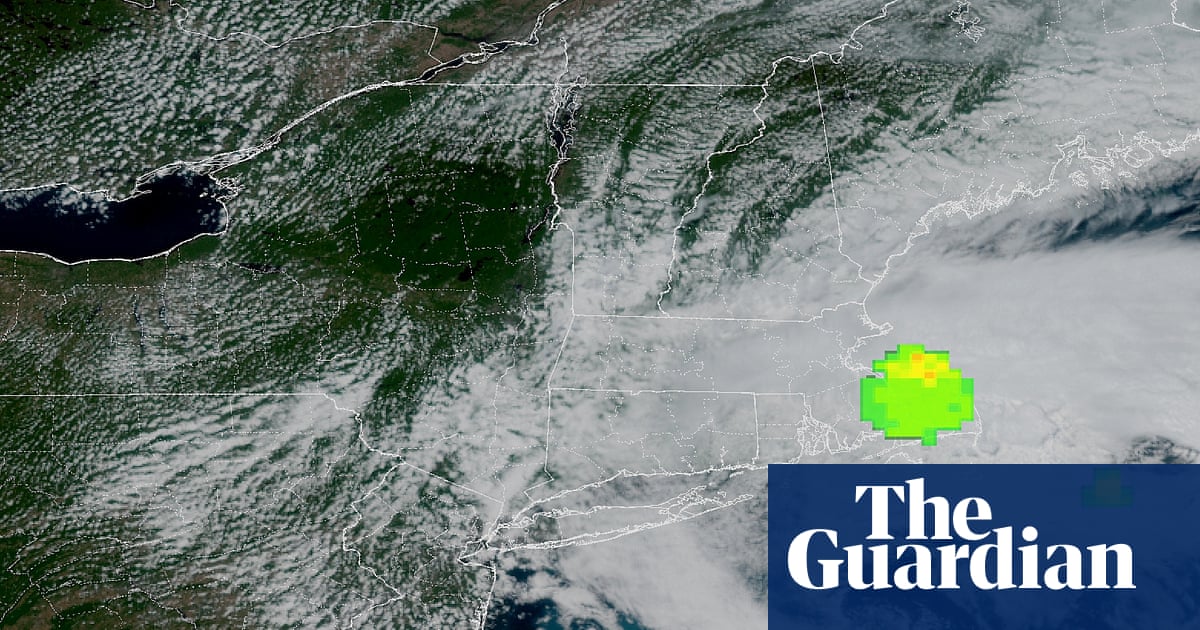
Meteor Explodes Over Massachusetts, Causing Loud Booms A spectacular meteor explosion over the northeastern U.S. has produced remarkably similar facts but subtly different narratives, as outlets across the political spectrum race to explain a rare, frighteningly loud celestial event.
Liberal-leaning coverage centers the science and regional scope. CBS Boston stresses that the meteor “exploded off the coast of Massachusetts, causing a loud boom that could be heard throughout the state” and as far as Rhode Island, with NASA estimating an energy release “equivalent to about 300 tons of TNT.” The Guardian likewise frames the incident as a textbook fireball over “the north-eastern United States,” emphasizing Nasa’s confirmation that it was a “natural object and not a re-entry of space debris or a satellite” and that the blast was “equivalent to 300 tons of TNT.”
Conservative coverage, by contrast, leans into impact and public alarm. The Washington Examiner leads with how the meteor “shook buildings and scared locals after a loud boom was heard at about 2:30 p.m.,” describing a dramatic “double boom” from a roughly 3‑feet‑wide object and widespread reports of ground shaking from Vermont to Delaware. It highlights confusion with an earthquake, noting that many residents filed reports with the U.S. Geological Survey before the agency confirmed no seismic event had occurred.
On the technical details, the accounts converge: all cite NASA’s estimate that the meteor was traveling around 75,000 mph and fragmented at about 40 miles altitude, producing booms consistent with a major sonic event. Where they diverge is emphasis. Liberal outlets use the incident to explain atmospheric physics and reassure readers that “most meteors burn up harmlessly in the atmosphere,” while conservative coverage spotlights the visceral experience of a blast “bigger than a normal fireball” rattling homes across New England.
The result is not a dispute over what happened, but a contrast in framing: one narrative normalizes a rare natural phenomenon; the other underscores how suddenly it can turn a quiet afternoon into a region-wide scare.
Write a comment