Chicago Mayor Brandon Johnson Meets With Pope Leo XIV at Vatican
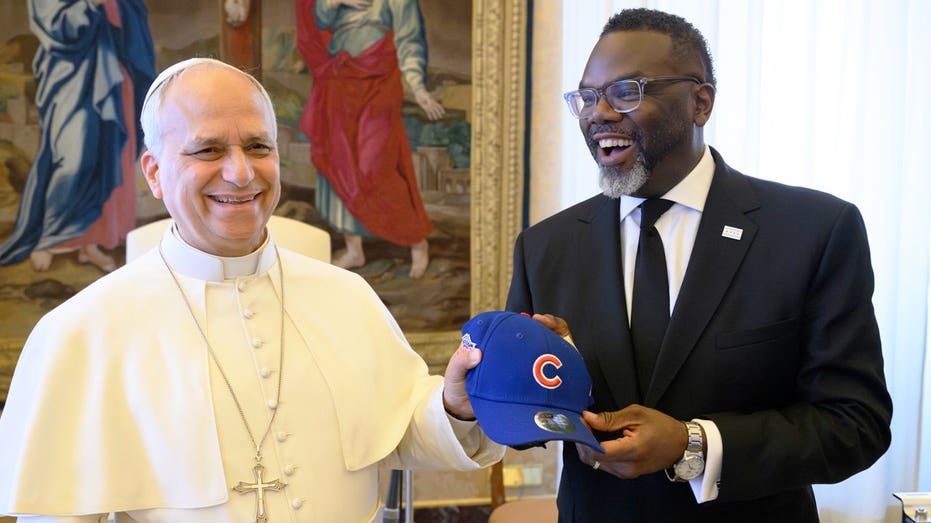
Chicago Mayor Brandon Johnson Meets With Pope Leo XIV at Vatican Chicago Mayor Brandon Johnson’s Vatican visit has become a proxy fight over the proper role of religious authority in America’s most divisive policy debates, pitting advocates of race-based reparations and social-justice partnerships against critics wary of symbolic politics and moral grandstanding.
Johnson arrived in Rome with a clear political aim: to “enlist the pope in his fight for reparations in the Windy City,” framing Pope Leo XIV as “the highest-profile religious leader” who could lend moral weight to his Repair Chicago initiative. The trip capped Johnson’s creation of a 40-member reparations task force to address “historical harms committed against Black Chicagoans and their ancestors through the form of reparations,” positioning local policy inside a global narrative of racial justice.
From Johnson’s perspective, Pope Leo is not just a pastoral figure but a strategic ally. After their meeting, he cast the pontiff as “a powerful global ally on social justice, migration and reparations,” arguing that their “shared roots and priorities” could amplify efforts to protect vulnerable communities. That framing leverages Leo’s recent encyclical, in which the pope apologized for the Vatican’s role in legitimizing the “scourge of slavery” and called it a “wound in Christian memory,” as theological backing for municipal redress.
Conservative-leaning coverage, however, stresses optics, scope, and priorities. Outlets highlight that Johnson led a 46-person delegation to the Vatican for a private audience and note that the pope “declined to wear a Cubs hat” presented by the mayor — a small but telling detail used to question the seriousness or stagecraft of the visit. Emphasis on the size of the delegation and the symbolic gifts contrasts sharply with Chicago’s domestic challenges and implies that the mayor is more focused on international moral theater than on crime, migration pressures, or fiscal strain at home.
The deeper divide is over moral jurisdiction. Supporters see a natural partnership between a progressive city and a socially conscious papacy, with Leo’s slavery apology aligning “very much” with efforts “to repair the harm that has been caused by slavery.” Critics counter that importing Vatican rhetoric into local governance blurs lines between spiritual contrition and taxpayer-funded remedies, risking grand gestures that outpace legal, economic, and democratic consensus.
Write a comment