Kenyan Court Halts U.S. Plan for Ebola Quarantine Facility
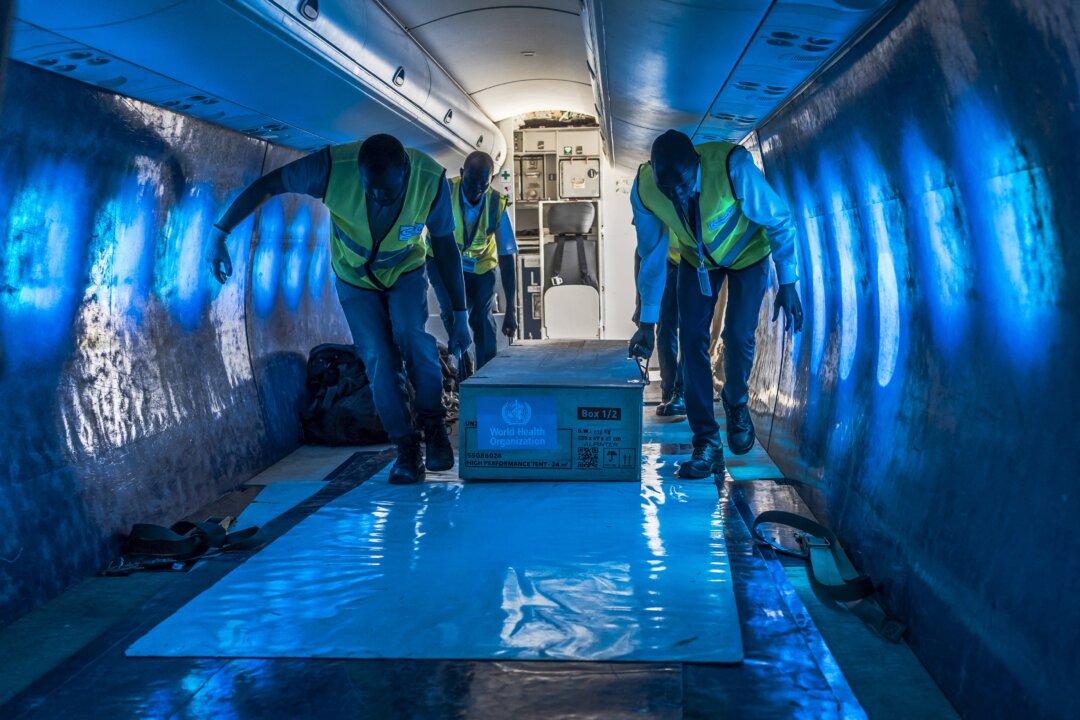
Kenyan Court Halts U.S. Plan for Ebola Quarantine Facility Kenya’s decision to freeze a U.S.-backed Ebola quarantine center has become a test of who controls pandemic risk: the governments that host facilities, or the powers that fund and staff them.
Conservative-leaning outlets emphasize the court’s move as a dramatic rebuke of U.S. plans. The Epoch Times frames the decision as a suspension of “a planned facility for Americans who were exposed to Ebola,” highlighting the judge’s order that officials must not “establish, operationalize, facilitate, approve, or permit” any such center while litigation proceeds. The Washington Examiner likewise stresses that the Kenyan court “temporarily blocked the opening” of the Laikipia Air Base facility on the very day it was to start operating, underscoring that the center was intended for U.S. nationals and financed in part by a $13.5 million Trump administration contribution to Kenya’s Ebola preparedness.
Liberal coverage shares the basic facts but shifts the lens to constitutional process and public health nuance. CBS News notes that the Katiba Institute, a nonprofit that defends Kenya’s constitution, challenged what it called “constitutional recklessness” and a lack of transparency and public participation around the deal, warning of implications for “grave public health.” It also details U.S. officials’ claim that the 50‑bed facility would offer “high-quality care” and primarily serve asymptomatic Americans exposed in neighboring countries, sparing them “the risks of a lengthy trip back to the U.S.”
Both sides report the same legal bottom line: Judge Patricia Nyaundi issued a “conservatory order” restraining any Ebola exposure, quarantine, isolation, or treatment facility in Kenya pending full hearings. Where they diverge is on emphasis—conservative pieces frame a foreign-policy and sovereignty clash over hosting Americans the U.S. itself will not admit, while liberal reporting foregrounds Kenyan civic groups’ insistence that even in a pandemic, emergency health infrastructures cannot bypass democratic oversight.
Write a comment