US Strikes on Suspected Drug Boats in Pacific Raise Death Toll Above 200
US Strikes on Suspected Drug Boats in Pacific Raise Death Toll Above 200 U.S. airstrikes on small boats in the Caribbean and eastern Pacific—nominally a counter-narcotics campaign—have now killed more than 200 people, exposing a stark divide between official justifications and mounting human rights alarm.
U.S. military framing vs. evidentiary gaps
U.S. Southern Command consistently describes the targeted vessels as being “engaged in narco-trafficking operations” and operated by a designated terrorist organization, language repeated in announcements about the latest strike that killed three men in the eastern Pacific. Yet officials “provided no evidence” to substantiate those claims in either the most recent attack or earlier ones in the monthslong campaign.
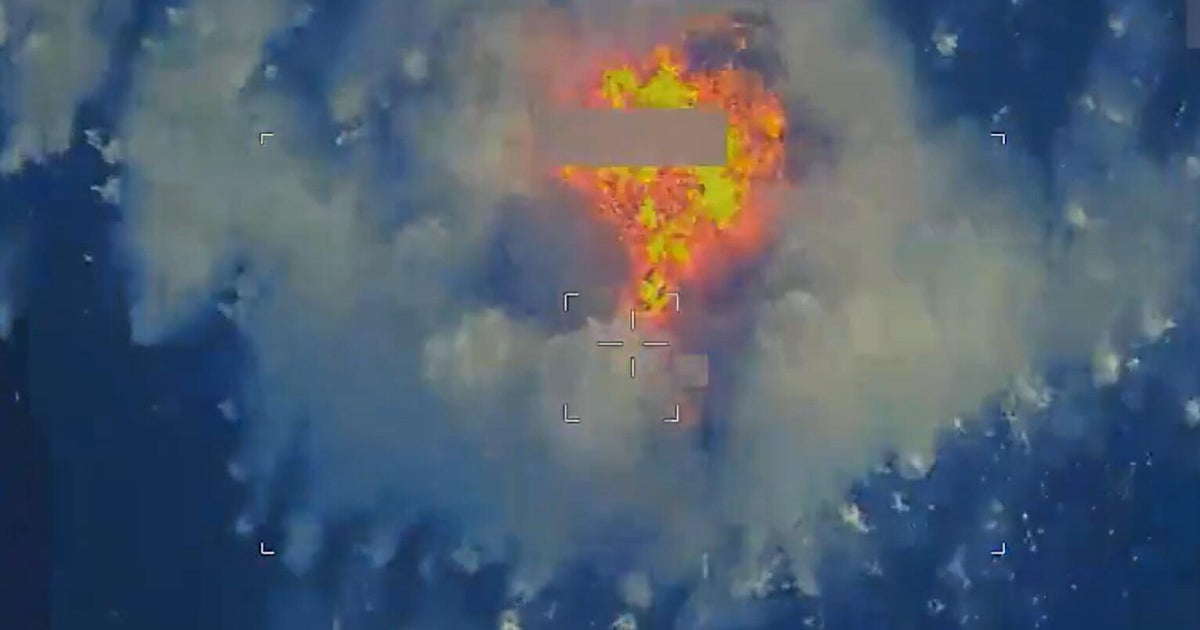
Visually dramatic military videos show a small boat “engulfed in a fireball” and then burning amid “a large plume of parcels or some other objects” in the water, images that implicitly signal contraband but stop short of proving the government’s case.
The Trump administration’s broader justification is that the U.S. is “at armed conflict with Latin American drug cartels,” which it blames for the flow of narcotics into American communities. That framing attempts to place the strikes within the law-of-war paradigm, where lethal force against combatants is more easily defended.
Human rights and legal critics
Human rights organizations argue the opposite: that these are “unlawful extrajudicial killings” carried out without transparent proof that the victims are combatants or even drug traffickers. The American Civil Liberties Union similarly condemns the administration’s assertions as “unsubstantiated, fear-mongering claims,” challenging both the factual basis for labeling the targets terrorists and the legality of killing suspected smugglers at sea rather than apprehending them.
Legal experts also question follow-on strikes that killed people initially reported as survivors, raising concerns about proportionality and the obligation to protect those hors de combat.
Shared concern, divergent conclusions
Both the administration and its critics frame their arguments around protection of civilians: one from drug violence at home, the other from unchecked military force abroad. Where they differ is whether a secretive maritime bombing campaign—now with at least 202 dead and no publicly shared evidence—is a necessary wartime measure or a dangerous expansion of executive killing power.
Write a comment