US Defense Secretary Pete Hegseth Speaks at Shangri-La Dialogue
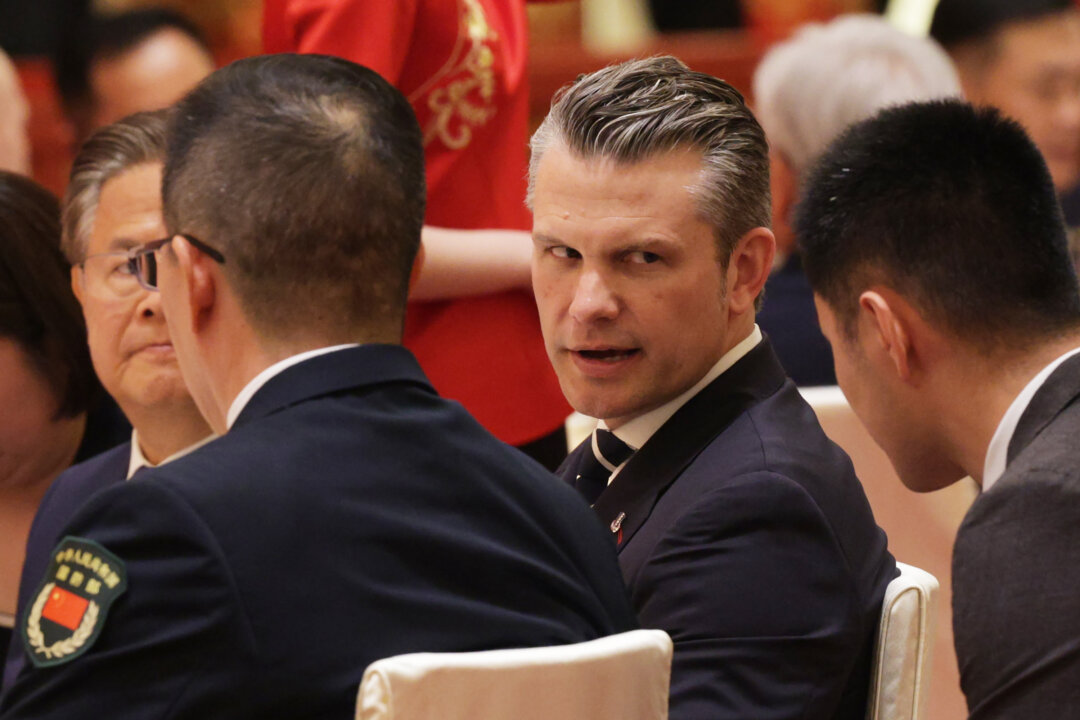
US Defense Secretary Pete Hegseth Speaks at Shangri-La Dialogue U.S. Defense Secretary Pete Hegseth used the Shangri-La Dialogue to sell a vision of “peace” in the Indo‑Pacific while simultaneously insisting Washington is ready to restart a major war with Iran, exposing a deep tension at the heart of current U.S. strategy.
Conservative-leaning coverage emphasizes the administration’s framing of the speech as a calm, strategic roadmap. Epoch Times billed the appearance as a session on “United States’ strategy for peace in the Indo-Pacific,” highlighting deterrence and regional posture rather than escalation. A companion report cast the forum as a coordinated push by the U.S., Japan and Taiwan to place “deterrence at the center of their Indo-Pacific security posture,” underscoring Hegseth’s role in shoring up alliances amid Chinese military expansion.
Liberal outlets focus less on the architecture of deterrence and more on the risks of militarization and renewed conflict. CNBC stresses that Hegseth is pressing allies to boost defense spending to 3.5% of GDP and rewarding “model allies” with expedited arms sales and deeper intelligence sharing, turning security partnerships into a transactional hierarchy. The Guardian foregrounds his assertion that the U.S. is “more than capable” of resuming war with Iran, citing “more than sufficient stockpiles of weapons” and a readiness to “recommence if necessary” even as peace talks falter.
Both sides note Hegseth’s sharpening focus on China. CNBC quotes him warning of “rightful alarm” at Beijing’s military buildup while insisting the U.S. seeks a “favorable but durable balance of power in which no state, including China, can impose its hegemony.” The Guardian similarly reports his call for a “genuinely stable equilibrium” in Asia that avoids “needless confrontation,” contrasting it with last year’s more openly confrontational tone.
On social media, Secretary Marco Rubio amplifies the same deterrence-first message in quieter diplomatic settings, touting U.S. defense ties with Qatar as “important to deterring threats and promoting stability in the Middle East” and calling a strong U.S.–Australia alliance “vital to regional security and stability.” Together, the coverage presents a dual-track posture: public talk of equilibrium and burden-sharing overlaying a willingness to escalate on multiple fronts.
1. US Secretary of War Hegseth Speaks at Shangri-La Security Summit – “U.S. Secretary of War Pete Hegseth speaks at the Shangri-La security dialogue in Session 1 … on the ‘United States’ strategy for peace in the Indo-Pacific.’”
2. US, Japan, Taiwan Push Deterrence as Shangri-La Defense Forum Opens – “Asia’s top annual defense forum opens in Singapore … with the United States, Japan, and Taiwan each placing deterrence at the center of their Indo-Pacific security posture.”
3. Hegseth praises Asian allies for ‘burden-sharing,’ calls out China’s role in the region – “Hegseth said that the U.S. demands 3.5% of GDP as defense spending from its allies and partners, and added that Washington will prioritize working with these ‘model allies.’”
4. US ‘more than capable’ of resuming war against Iran, Pete Hegseth says – “The US has more than sufficient stockpiles of weapons and is ‘more than capable’ of resuming the war with Iran, Pete Hegseth told a defence summit …”
5. @SecRubio on X – “Met with Qatari Prime Minister and Foreign Minister @MBA_AlThani_ to discuss U.S. support for Qatar’s defense. Our partnership is important to deterring threats and promoting stability in the Middle East.”
6. @SecRubio on X – “A strong U.S.-Australia alliance is vital to regional security and stability. @SenatorWong and I discussed energy security and our shared commitment to a free and open Indo-Pacific.”
Write a comment