Judge Blocks Kennedy Center Closure, Orders Trump's Name Removed
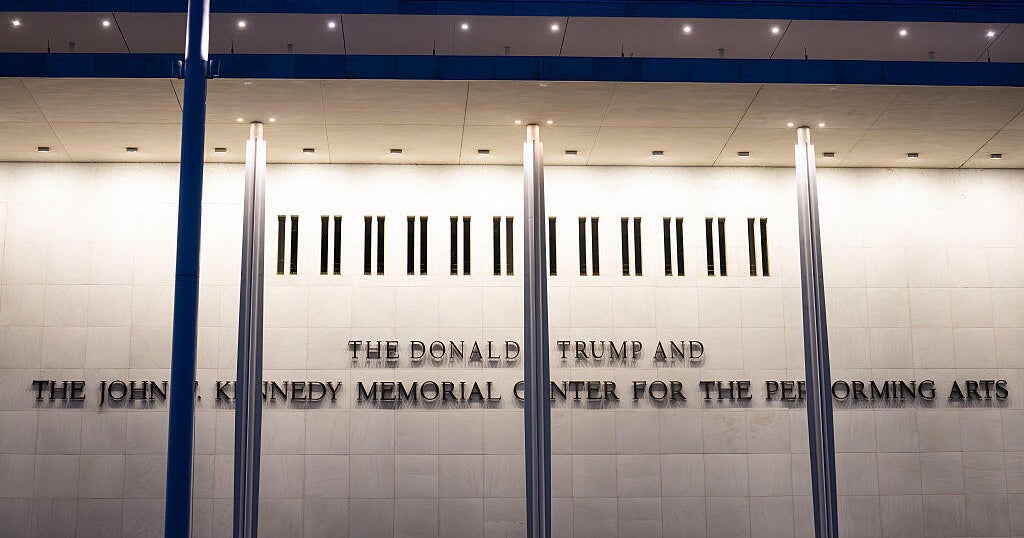
Judge Blocks Kennedy Center Closure, Orders Trump’s Name Removed A routine infrastructure decision at one of Washington’s premier cultural institutions has turned into a test of presidential power, congressional authority, and cultural symbolism.
U.S. District Judge Christopher Cooper’s 94-page opinion found the Kennedy Center’s board “overstepped its authority” when it unilaterally added Donald Trump’s name to the institution and approved a two‑year shutdown for renovations, ordering the name stripped from “the institution’s title, as represented on the façade of the Center, any other physical or digital signage, and official materials.” Cooper stressed that “Congress gave the Kennedy Center its name, and only Congress can change it,” calling the closure decision “ill‑informed and seemingly preordained.”
Liberal framing: rule of law vs. vanity project
Liberal‑leaning coverage casts the ruling as a rebuke to executive overreach and branding politics. CBS and CNBC emphasize that the Kennedy Center’s “organic statute makes crystal clear” it must honor President Kennedy alone, and that the board “did not balance its obligations” when it voted to shutter the venue at Trump’s behest. Wonkette goes further, deriding the renaming as a “personal vanity project” and mocking the claim by the new executive director that removing Trump’s name would cause “irreparable” harm because it might sever a fundraising lifeline for an institution already struggling to attract performers. The Atlantic frames the institution as entering “the unknown,” with Trump threatening to abandon it and its future governance unsettled.
Conservative framing: activist judge vs. needed repairs
Conservative outlets largely spotlight Cooper himself and Trump’s backlash. The Washington Times notes the judge “hit pause” on a renovation Trump’s team describes as vital for a building with “rotting beams” and “Life and Safety problems.” The Washington Examiner underscores Cooper’s Obama appointment and prior January 6–related cases, details Trump’s move to group him among “Radical Left Democrats,” and highlights Trump’s complaint that the ruling keeps open a structure he calls “structurally dangerous.”
Shared concerns, divergent villains
Across the spectrum, reporters agree on the core facts: Trump’s name must come down, and the center cannot simply close for two years. Where they diverge is in identifying the primary abuse—Trump’s personalization of a public institution or a judiciary allegedly thwarting safety and a president’s management of a “failing Institution” he now says he wants to “transfer…back” to Congress. The conflict exposes a deeper battle over who truly owns America’s cultural landmarks: elected presidents, appointed boards, Congress, or the public in whose name they ostensibly exist.
Write a comment