Treasury Department Launches 'Trump Accounts' App for Child Savings
- Shared ground: savings, literacy, and a $1,000 hook
- Liberal lens: access, safeguards, and scams
- Conservative lens: culture of investing and personal responsibility
- The unresolved tension
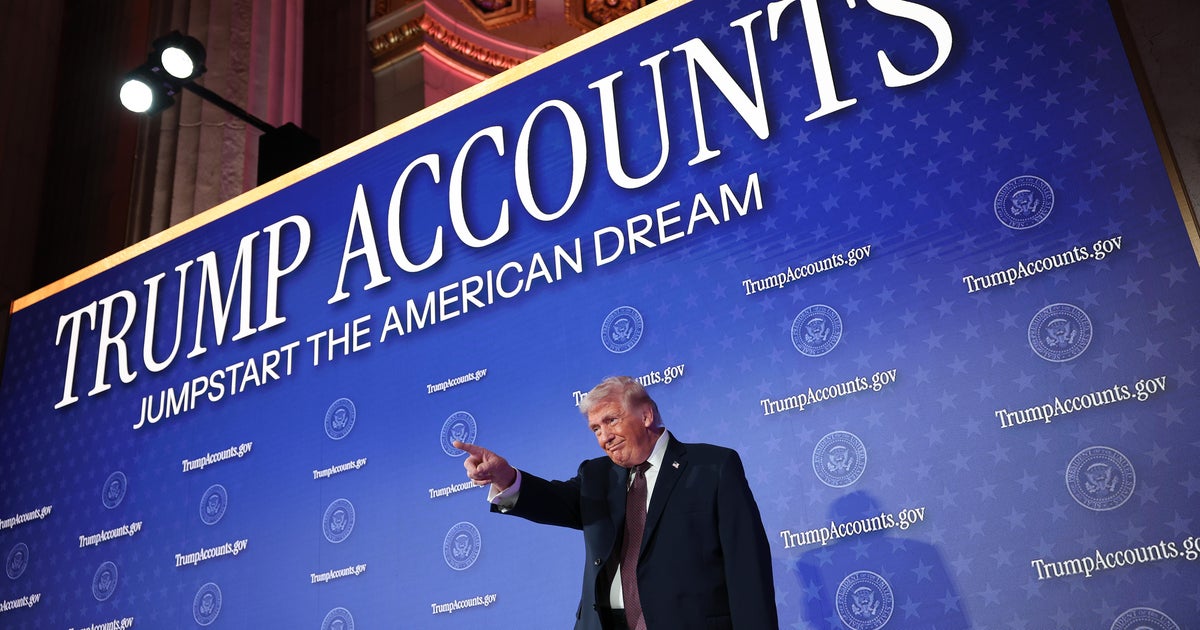
Treasury Department Launches ‘Trump Accounts’ App for Child Savings The Treasury Department’s new “Trump Accounts” app arrives at the intersection of child welfare, financial engineering, and election-year branding, promising long-term security for kids while raising pointed questions about equity and risk.
Shared ground: savings, literacy, and a $1,000 hook
Both liberal and conservative coverage agree on the core mechanics. The app, now live on Apple and Google stores, lets parents manage tax-advantaged investment accounts for children under 18, with funds locked until age 18 and usable for approved milestones like education, housing, or starting a business. For babies born between 2025 and 2028, the government will automatically deposit $1,000, invested in the stock market as a starter stake.
Treasury Secretary Scott Bessent casts the program as a populist wealth-building tool, describing the accounts as a way to “build long-term financial strength from day one” and a “rainy day fund” for adulthood.
Liberal lens: access, safeguards, and scams
Liberal-leaning reporting stresses consumer protection and inclusion. CBS News focuses on phased activation emails from a single government address and bluntly warns that any call or text about Trump Accounts “is likely a scam,” signaling concern that a complex new benefit could be weaponized by fraudsters. It also highlights that only children born 2025–2028 get the $1,000 gift, a design that may exclude many low-income families with older children while still encouraging them to open unsubsidized accounts.
Conservative lens: culture of investing and personal responsibility
The Washington Examiner emphasizes the program’s ideological rationale: cultivating “financial literacy” and early participation in investing. It frames the $1,000 seed money as an incentive that “dangles” a reward to get families started, quoting AEI fellow Andrew Biggs on using the accounts as a vehicle for lifelong saving. The coverage leans into scale—some 6 million accounts already opened—as evidence of popular uptake rather than a potential administrative or fiscal liability.
The unresolved tension
Where liberals see a promising but unevenly distributed benefit wrapped in a scam-prone app rollout, conservatives see a flagship of pro-market social policy. Both agree the state is nudging families into the stock market on behalf of children; they diverge on whether that is chiefly empowerment—or a new form of risk-shifting to households least equipped to bear it.
Write a comment