Death Toll Rises in Washington State Paper Mill Tank Collapse
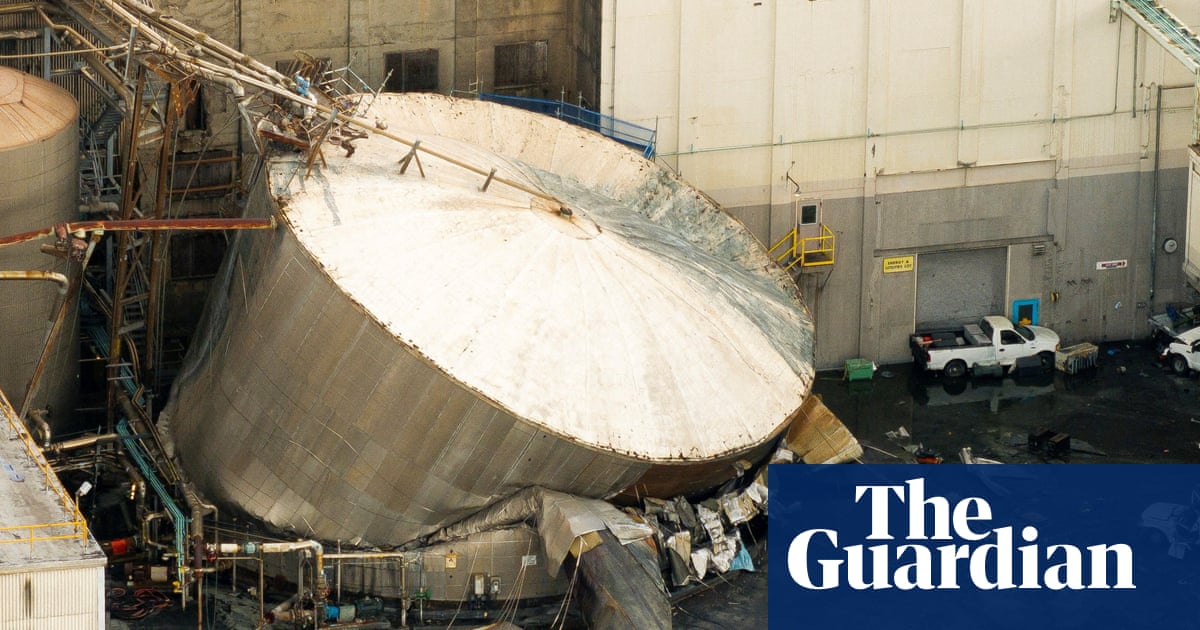
Death Toll Rises in Washington State Paper Mill Tank Collapse The chemical tank collapse at a Longview, Washington, paper mill has quickly shifted from a local emergency to a test of how U.S. regulators and industry account for catastrophic risk at industrial sites.
Human toll vs. historical scale
Coverage emphasizes the rapidly climbing death count but differs in how it frames the disaster’s significance. One report notes that the death toll from the Nippon Dynawave Packaging Co. tank rupture “rose to eight” as the remains of six workers were recovered, with three still missing and presumed dead, and eight others injured, including a firefighter. Another outlet stresses the broader context, echoing Washington Governor Bob Ferguson’s warning that authorities are “bracing ourselves for this being the deadliest industrial tragedy in modern Washington state history.”
A separate account underscores the grim progression: after six of nine missing workers’ bodies were found in a workers’ gathering area, the overall death toll reached 11, with responders unable to say when the final three bodies would be recovered.
Safety, investigation, and regulatory focus
All sources agree that the cause of the implosion of a tank holding “white liquor,” a caustic sodium hydroxide and sodium sulfide mixture, remains under investigation. Liberal-leaning coverage highlights the U.S. Chemical Safety and Hazard Investigation Board’s decision to launch a federal investigation, framing the event as part of a pattern of deadly workplace accidents that exposes gaps in industrial safety oversight.
Operationally, officials describe recovery as “slow, methodical and deliberate,” with crews working in chemical protective gear amid collapsed structures and exposed wiring, and forced to undergo decontamination after each entry.
Environmental reassurance vs. lingering risk
On environmental risk, officials consistently downplay immediate danger, reporting no detected hydrogen sulfide in the air and asserting no threat to the Columbia River or municipal drinking water. Yet technical details—such as an estimated 25,000 gallons of material still in the damaged 900,000-gallon tank and leaks into nearby ditches above a drinking-water source—suggest a more precarious situation than public reassurances alone might imply.
Write a comment