Six Bodies Found in Boxcar in Laredo, Texas
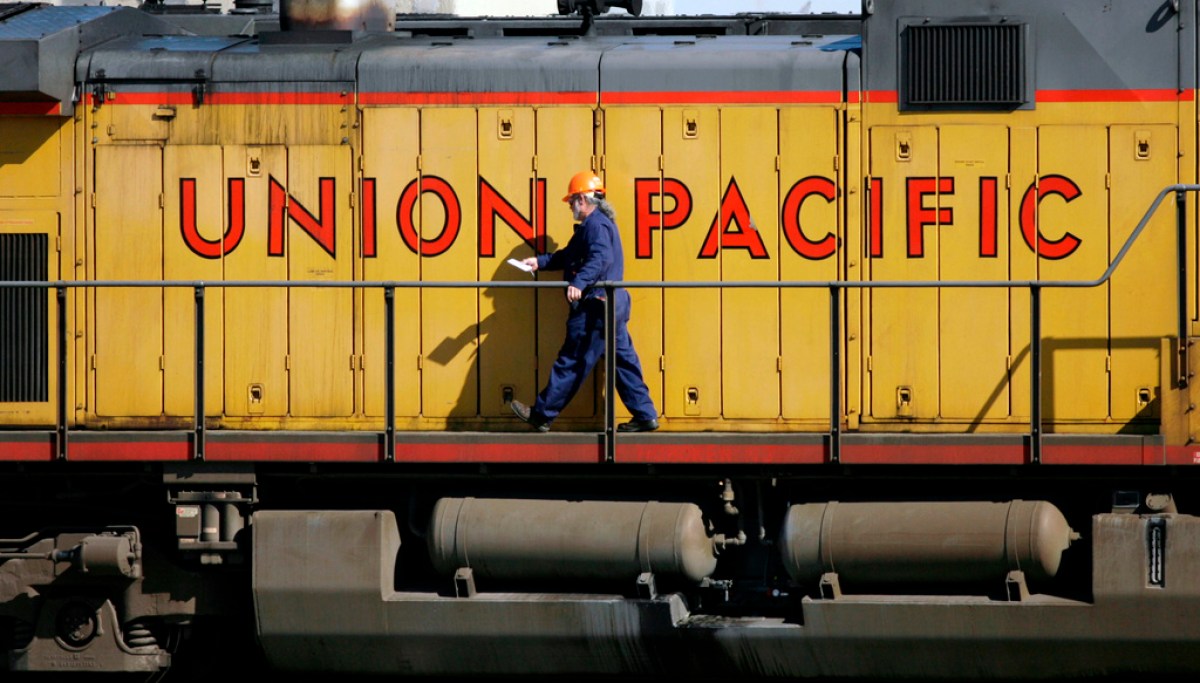
Six Bodies Found in Boxcar in Laredo, Texas Six people dying inside a sealed boxcar in a Texas rail yard has become more than a local tragedy; it is a fresh battleground in the national fight over border policy, migrant safety, and institutional responsibility.
Conservative-leaning outlets emphasize the border-security context and the long-standing smuggling corridor through Laredo. The Washington Examiner frames the event as “Six found dead inside railroad boxcar near Texas border” and notes that Laredo “is a human smuggling corridor that historically has been used by cartels to move migrants who do not want to surrender to Border Patrol agents,” pointing to past mass-casualty smuggling incidents, including the 2022 San Antonio trailer deaths of 53 people. Another conservative report underscores the proximity to the Mexico border, describing “6 found dead in a cargo train boxcar at a Union Pacific yard in Texas border town, police said,” with law enforcement cast as primary actors in an ongoing investigation.
Where conservative coverage leans toward security narratives and illicit networks, it also introduces more detail on victims and suspected causes. The Blaze reports that the dead are believed to be from Mexico and Honduras and that hyperthermia, amid heat reaching 105°F, is the likely cause of death. This framing implicitly links the deaths to dangerous irregular migration routes while stopping short of definitive conclusions about smuggling.
Liberal-leaning CBS News, by contrast, adopts a more restrained, institutional tone, leading with the neutral headline, “6 bodies found in Union Pacific boxcar in Laredo, Texas, near Mexico, police say.” Its report foregrounds the railroad’s response—Union Pacific said it was “saddened by this incident and is working closely with law enforcement to investigate”—and highlights the lethal heat inside the boxcar, noting that while outside temperatures hit 97°F, it likely felt above 100°F inside.
Across the spectrum, all sides agree on basic facts: six deaths, extreme heat, and an active investigation. The divide lies in emphasis—border enforcement and smuggling networks on the right versus corporate responsibility, environmental conditions, and procedural caution on the left—leaving unanswered a central question: whether U.S. policy or criminal exploitation bears primary blame for turning a freight car into a coffin.
Write a comment