Apple to Pay up to $95 to iPhone Owners in $250 Million Settlement
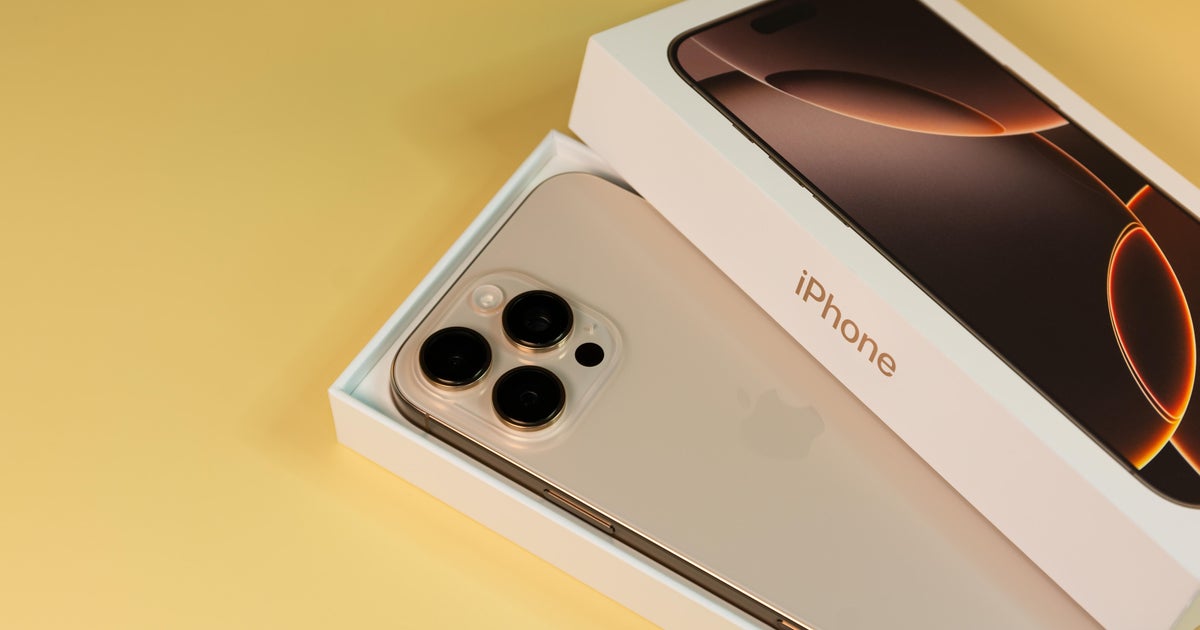
Apple to Pay up to $95 to iPhone Owners in $250 Million Settlement Apple’s $250 million agreement to settle claims that it misled customers about iPhone “AI” features has triggered sharply different interpretations of what the payout really means for consumers and corporate accountability.
Conservative-leaning coverage foregrounds the tangible benefit to individual users, emphasizing that “some iPhone owners could get up to $95 payment after Apple agrees to settle case for $250 million.” The framing here highlights the cash windfall and the scale of the settlement, implicitly casting the outcome as a rare instance in which big tech is forced to share some of its profits back with customers.
Liberal-leaning reporting, by contrast, spends more time unpacking the alleged deception and the mechanics of relief. It stresses that “iPhone owners could receive up to $95 under a proposed $250 million settlement resolving claims that Apple misled customers about Siri’s artificial intelligence features.” This perspective details that Apple was accused of marketing “Enhanced Siri features” that “did not yet exist, leading them to buy iPhones based on false advertising,” and notes that roughly 37 million owners of specified models may be eligible, with payments starting at $25 per device and capped at $95.
Where the conservative account largely treats the settlement as a done deal and focuses on the headline figure, the liberal coverage underscores that the agreement is still “proposed,” contingent on judicial approval, and may “rank among the largest settlements involving Apple.” It also amplifies the role of the Clarkson Law Firm, which frames the result as providing “timely relief to tens of millions of consumers nationwide.”
Both sides, however, converge on a core narrative: Apple chose to pay rather than fight. The liberal-leaning report quotes Apple as saying it resolved the case to “stay focused on doing what we do best, delivering the most innovative products and services to our users,” a statement that downplays wrongdoing while tacitly acknowledging the reputational risk of prolonged AI-related litigation.
Write a comment