Hantavirus Outbreak on Cruise Ship Kills Three
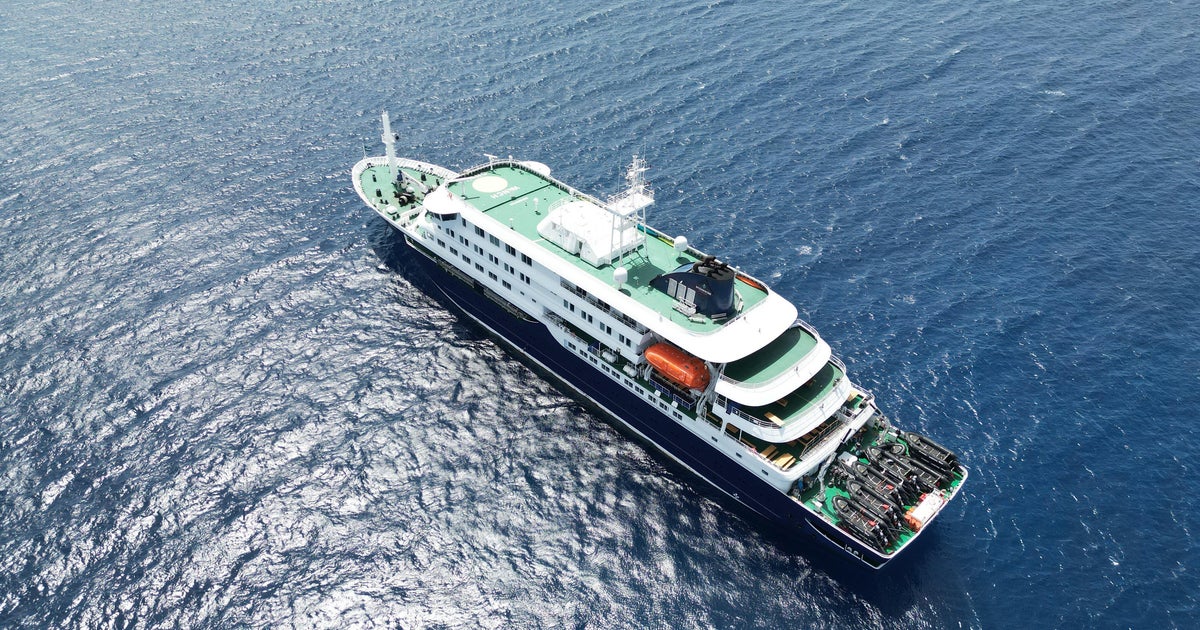
Hantavirus Outbreak on Cruise Ship Kills Three A lethal hantavirus outbreak aboard the MV Hondius has killed three passengers and stranded nearly 150 others offshore — but the political and media narratives around the incident diverge sharply on what matters most: virological risk vs. systemic failure.
Conservative-leaning outlets largely frame the story as a frightening but contained biomedical episode. The Washington Examiner emphasizes that hantaviruses are rodent-borne pathogens whose infections “can progress rapidly and result in low blood pressure, low oxygen levels, and death by organ failure,” while stressing the rarity of the disease and the small number of suspected cases so far. The Epoch Times similarly foregrounds World Health Organization figures — “one case of hantavirus infection has been laboratory confirmed, and there are five additional suspected cases” — to imply a discrete, trackable cluster.
By contrast, liberal outlets spotlight governance, ethics and global-cooperation failures. CBS describes an “apparent hantavirus outbreak” that has already “kills 3 on cruise ship, [and] sickens at least 3 more,” implicitly raising questions about why passengers were left in limbo. The Guardian’s account dwells on the humanitarian dimension: medics “scrambling to evacuate two people” from a “luxury cruise ship stranded off the coast of Cape Verde,” and nearly 150 people forced to isolate on board after the island nation blocked docking “to protect public health.”
The starkest interpretive gap centers on transmission risk. Conservative coverage focuses on the ship as a tragic but unusual outbreak setting, often reiterating that hantavirus is typically rodent-spread and highlighting the ship’s route from Argentina to Antarctica with around 150 passengers. Liberal reporting, led by CBS, amplifies the WHO’s more alarming assessment that “there may be some human-to-human transmission” among close contacts such as “the husband and wife, people who’ve shared cabins,” and notes the ship is now headed to Spain for a “full investigation” and “full disinfection.”
Similarities and differences
Across the spectrum, outlets agree on the core facts: three dead, several seriously ill, a stranded Dutch-flagged vessel, and WHO coordination. All underscore hantavirus’s high potential fatality rate and the need for specialized care.
Where they differ is in emphasis and implied culpability. Conservative stories lean toward clinical explanation and the rarity of the pathogen, dampening broader political or systemic critique. Liberal coverage uses the same numbers to interrogate crisis management, border decisions, and cruise-industry responsibility, treating the Hondius less as an isolated anomaly than as a stress test of post-COVID global health governance.
Write a comment